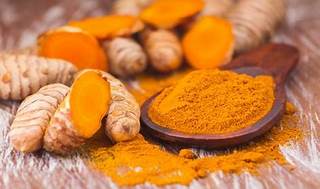
Turmeric
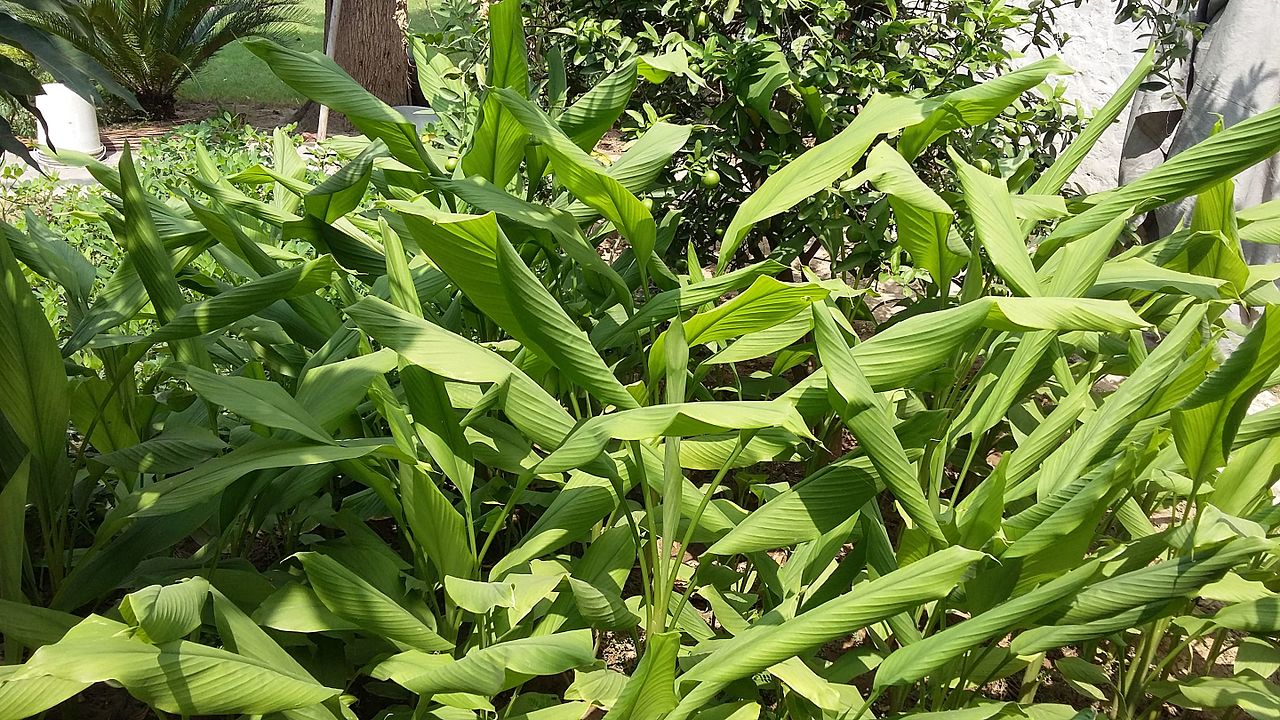
Turmeric is a spice that has been used for thousands of years in traditional medicine and cooking. It contains a compound called curcumin, which has been shown to have anti-inflammatory, antioxidant, and anticancer properties
Health Benefits of Turmeric
- Reduces inflammation: Curcumin has been shown to reduce inflammation in the body, which can help alleviate symptoms of arthritis, heart disease, and other chronic conditions.
- Treating Sciatica This herb has anti-inflammatory properties and contains curcumin, which may help to reduce the swelling and pain of sciatica. You can apply a paste of turmeric and water on the affected areas, or drink turmeric milk for relief. https://www.repampgh.com/sciatica-herbal-treatment/
- Boosts brain function: Curcumin has been shown to increase levels of a hormone called brain-derived neurotrophic factor (BDNF), which is responsible for the growth of new neurons in the brain. This can help improve memory and cognitive function.
- May prevent cancer: Some studies have suggested that curcumin may help prevent the growth and spread of cancer cells.
- Improves heart health: Curcumin has been shown to improve several factors that contribute to heart disease, including reducing inflammation and improving the function of the endothelium, which is the lining of the blood vessels.
- May help with depression: Some studies have suggested that curcumin may be as effective as antidepressant medication in treating depression.
- May help with diabetes: Curcumin has been shown to improve insulin sensitivity and reduce blood sugar levels in people with type 2 diabetes.
- May help with digestion: Turmeric has been used for centuries to aid digestion and reduce symptoms of bloating and gas
Chemical Properties of Turmeric
- Turmeric contains volatile oil, resin, starch, and curcuminoids. The main curcuminoid is curcumin, which gives turmeric its yellow colour and has anti-inflammatory, antioxidant, and anticancer effects.
- Curcumin is a polyphenol with a diketone structure. It has two phenolic groups that can act as antioxidants and chelators of metal ions. It also has two methoxy groups and two enolic groups that can form hydrogen bonds and intramolecular interactions.
- Curcumin is poorly absorbed into the bloodstream and has low bioavailability. It can be enhanced by piperine, a compound found in black pepper, or by fat solubility. Curcumin is also sensitive to light, heat, and pH changes.
How to Use Turmeric
There are many ways to use turmeric in your cooking and health. Turmeric is a spice that has a yellow colour and a warm, earthy flavour. It can be used fresh or dried, and it has many benefits for your body and mind. Here are some of the ways you can use turmeric:
- Add it to curries and stews: Turmeric is a common ingredient in Indian and Middle Eastern cuisines, where it adds colour and flavour to dishes like curry, dal, and tagine. You can use ground turmeric or freshly grated turmeric root to season your dishes. A little goes a long way, so start with a small amount and adjust to your taste. You can also add some black pepper, which enhances the absorption of curcumin, the active compound in turmeric.
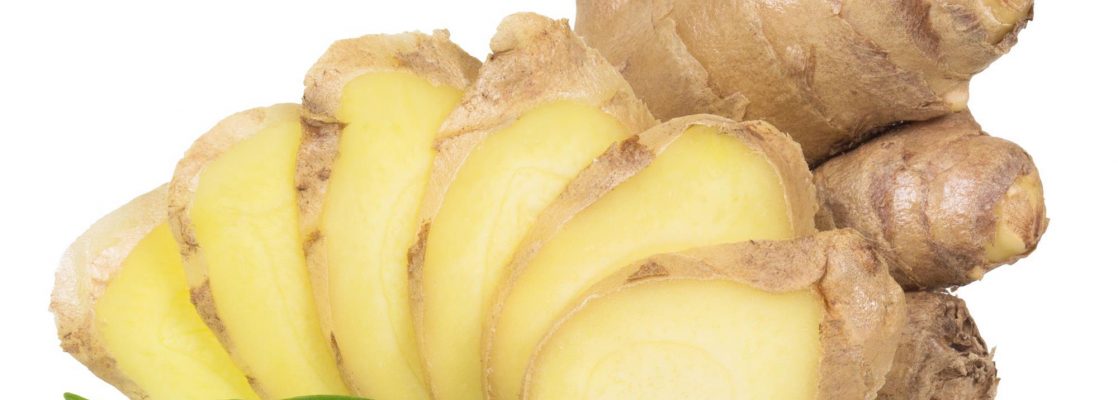
- Make turmeric milk: Turmeric milk, also known as golden milk, is a warm drink that can help you relax and boost your immunity. To make it, you need to boil some almond milk (or any plant-based milk) with fresh turmeric, ginger, and honey. You can also add some cinnamon, cardamom, or vanilla for extra flavour. Turmeric milk is a great way to enjoy the benefits of turmeric before bedtime.
- Season your chicken and rice: Turmeric can also be used to make simple and delicious meals like chicken and rice. You can marinate your chicken with some turmeric, garlic, lemon, and yoghurt, and then bake it in the oven. You can also cook your rice with some turmeric, onion, and broth, and then fluff it with a fork. Turmeric chicken and rice is a satisfying and nutritious dish that you can make in less than an hour.
- Bake with turmeric: Turmeric can also be used to add some colour and flavour to your baked goods. You can use turmeric to make cakes, muffins, cookies, and breads. Turmeric pairs well with ingredients like coconut, banana, carrot, and pumpkin. You can also add some nuts, seeds, or dried fruits for some crunch and sweetness. Baking with turmeric is a fun and creative way to use this spice in your desserts
Side Effects of Turmeric
According to the web search results, some of the possible side effects of turmeric are:
- Stomach upset: Turmeric may cause nausea, vomiting, indigestion, diarrhoea, or constipation in some people, especially if taken in high doses or for a long time.
- Bleeding problems: Turmeric may slow blood clotting and increase the risk of bleeding. People who have bleeding disorders or take blood-thinning medications should be careful with turmeric.
- Gallbladder problems: Turmeric may make gallbladder problems worse. People who have gallstones or a bile duct obstruction should avoid turmeric.
- Hormone-sensitive conditions: Turmeric may act like estrogen in the body. This may affect hormone-sensitive conditions, such as breast cancer, uterine cancer, ovarian cancer, endometriosis, or uterine fibroids. People who have these conditions should consult their doctor before taking turmeric.
- Iron deficiency: Turmeric may interfere with the absorption of iron. People who have iron deficiency or take iron supplements should monitor their iron levels if they use turmeric.
- Diabetes: Turmeric may lower blood sugar levels. This may affect people who have diabetes or take diabetes medications. They should check their blood sugar levels regularly and adjust their medication dosage if needed.
These are some of the common or severe side effects of turmeric. However, this is not a complete list and others may occur. Turmeric is generally safe for most people when used as a spice or in small amounts as a supplement. However, it is important to talk to your doctor before using turmeric, especially if you have any medical conditions or take any medications.
Organizations and Bodies that are involved in research, education, promotion, and regulation of turmeric and its products
- Food and Agriculture Organization (FAO): The FAO is a specialized agency of the United Nations that aims to achieve food security and improve nutrition and agriculture worldwide. The FAO has published a comprehensive report on turmeric post-harvest operations, covering its production, trade, consumption, processing, quality, and safety aspects.
- Frontiers in Pharmacology: Frontiers in Pharmacology is a leading open-access journal that publishes peer-reviewed research articles on all aspects of pharmacology, from basic to clinical research. The journal has recently published a review article on the bioactive effects and safety profiles of turmeric and its major compound curcumin for food, pharmaceutical, biotechnological, and medicinal applications.
- 1MD Nutrition: 1MD Nutrition is a company that produces high-quality supplements and health products, based on scientific research and clinical studies. The company has a website that provides information on the health benefits of turmeric and curcumin, especially for the gut and the body
More on Turmeric
It helps your body fight foreign invaders and also has a role in repairing damage.
Without inflammation, pathogens like bacteria could easily take over your body and kill you.
Although acute, short-term inflammation is beneficial, it can become a major problem when it becomes chronic and inappropriately attacks your body’s tissues.
Scientists now believe chronic, low-level inflammation plays a major role in almost every chronic, Western disease.
This includes heart disease, cancer, metabolic syndrome, Alzheimer’s and various degenerative conditions.
Oxidative damage is believed to be one of the mechanisms behind ageing and many diseases.
It involves free radicals, highly reactive molecules with unpaired electrons.
Free radicals tend to react with important organic substances, such as fatty acids, proteins or DNA.
The main reason antioxidants are so beneficial is that they protect your body from free radicals.
Cancer is a terrible disease, characterized by uncontrolled cell growth.
There are many different forms of cancer, which still have several things in common. Some of them appear to be affected by curcumin supplements.
Curcumin has been studied as a beneficial herb in cancer treatment and has been found to affect cancer growth, development and spread at the molecular level.
Studies have shown that it can contribute to the death of cancerous cells and reduce angiogenesis (growth of new blood vessels in tumours) and metastasis (spread of cancer)