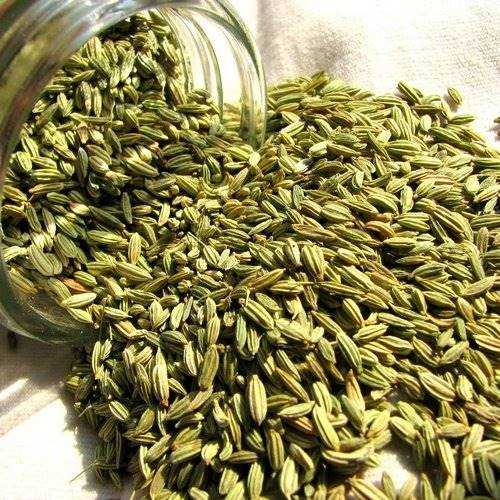
Jeera Plant (Cuminum Cyminum) Health Benefits and Herbal Uses
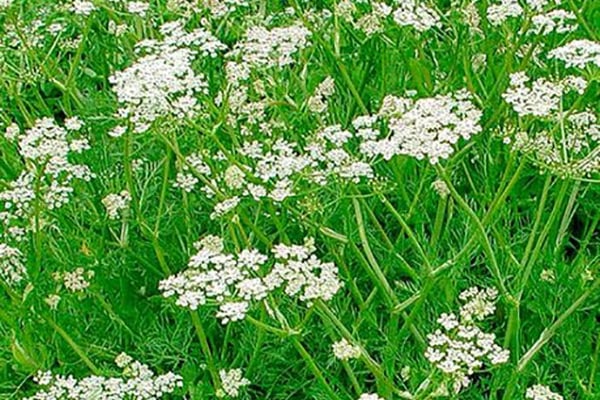
The botanical name for jeera is Cuminum cyminum. It’s a flowering plant in the Apiaceae family, and its seeds are commonly used in various cuisines. The Jeera plant is cultivated in different parts of the world including Africa. It is a spice with many herbal benefits that help maintain good health. Jeera is a good source of vitamins and minerals that support the immune system, anti-diabetes, a good source of iron and many more. This article explains the health benefits, chemical properties, uses and safety.
Health Benefits of Jeera Plant (Cuminum Cyminum)
Cumin (Cuminum cyminum) offers several health benefits, making it a valuable addition to your diet.
- Digestive Aid: Cumin aids digestion by increasing the activity of digestive enzymes and promoting bile release from the liver. It may alleviate symptoms of indigestion and irritable bowel syndrome.
- Rich in Iron: Just one teaspoon of ground cumin provides approximately 17.5% of the recommended daily iron intake. Iron is essential for growth and overall health.
- Antioxidant Properties: Cumin contains beneficial plant compounds like apigenin and luteolin, which act as antioxidants. These compounds help protect your cells from free radicals and promote overall well-being.
- Anticancer Potential: Some studies suggest that cumin may inhibit cancer cell multiplication, particularly in colon cancer. It’s considered one of the most powerful anticarcinogen plants.
- Diarrhoea Treatment: Traditional medicine practitioners have recommended cumin for treating diarrhoea. Research supports its effectiveness in managing symptoms.
- Blood Sugar Control: Cumin oil is considered a hypoglycemic agent, potentially helping people with diabetes manage their condition.
- Antibacterial and Antiparasitic: Cumin oil has been used as an effective larvicide and antiseptic. It may help kill harmful bacteria and parasites.
- Anti-Inflammatory: Cumin seeds have anti-inflammatory properties, reducing pain and inflammation.
- Cholesterol Regulation: While more research is needed, cumin may help lower cholesterol
Chemical composition of Jeera Plant (Cuminum Cyminum)

Contain various phytochemical constituents that contribute to its health benefits. Here are some of the key compounds found in cumin:
- Volatile Oil: Cumin seeds contain approximately 2.5% to 4.5% volatile oil. The main component of this oil is cuminaldehyde, which constitutes 30% to 50% of the oil. Other minor constituents include α-pinene, β-pinene, phellandrene, cuminic alcohol, hydrated cuminaldehyde, and hydrocuminine.
- Fixed Oil: Cumin seeds also contain about 10% fixed oil. This oil contributes to the overall medicinal properties of cumin.
- Proteins: Cumin seeds contain proteins, making them a valuable nutritional source
The Mineral and vitamins in the Jeera Plant
minerals and vitamins found in cumin:
- Iron: Cumin seeds are naturally high in iron, providing almost 20% of your daily iron needs in just one teaspoon.
- Calcium: Cumin contains calcium, which is essential for healthy bones and teeth.
- Magnesium: Magnesium plays a crucial role in nerve function and overall well-being.
- Phosphorus: Phosphorus contributes to bone health and energy metabolism.
- Copper: Copper is involved in various enzymatic processes in the body.
- Vitamin A: Cumin contains vitamin A, which supports healthy skin, teeth, and eyesight.
- Vitamin B6: Vitamin B6 aids in protein metabolism.
- Zinc: Zinc boosts immunity.
- Potassium: Potassium helps regulate fluid balance.
Remember that cumin is not only a flavorful spice but also a valuable source of essential nutrients!
How to use the Jeera Plant as herbal medicine
Jeera (also known as cumin) is a versatile spice with remarkable medicinal properties. Let’s explore how you can use it for health benefits:
- Promotes Digestion:
- Cumin aids digestion by increasing the activity of digestive enzymes and promoting bile release from the liver.
- It may alleviate symptoms of indigestion and irritable bowel syndrome.
- Rich Source of Iron:
- One teaspoon of ground cumin provides approximately 17.5% of the recommended daily iron intake.
- Iron is essential for growth, especially in children, and overall health.
- Contains Beneficial Plant Compounds:
- Cumin is packed with antioxidants, including terpenes, phenols, flavonoids, and alkaloids.
- These compounds protect your body from free radicals and may reduce the risk of chronic diseases.
- Anti-Diabetic Effects:
- Jeera water (boiled cumin) is an excellent home remedy for managing blood sugar levels.
- Boil a teaspoon of jeera in 500 ml of water until it reduces to 250 ml. Drink it twice daily after meals.
- Immune System Enhancement:
- Cumin aldehyde, a compound in jeera, contributes to its immune-boosting properties
Safety and side effects of Jeera Plant (Cuminum Cyminum)
Cumin (Cuminum cyminum) is generally considered safe to consume, but there are some important points to keep in mind:
- Chronic Use and Bleeding Risk:
- While cumin is safe in normal culinary amounts, chronic use may increase the risk of bleeding.
- If you’re prone to bleeding disorders or are taking blood-thinning medications, use cumin cautiously.
- Respiratory and Dermatological Concerns:
- Chronic cumin consumption may lead to breathing complications or dermatitis in some individuals.
- Pregnant, breastfeeding women and those with ulcers or respiratory illnesses should exercise caution.
- Digestive Side Effects:
- Cumin has gas-relieving properties, but excessive consumption can cause heartburn and belching.
- Moderation is key to avoiding digestive discomfort.
- Overall Safety:
- Cumin is generally safe when consumed in normal amounts found in foods.
- Larger doses of cumin supplements may cause stomach upset in some people
External links
Jeera seeds
Chemical composition of Jeera Plant (Cuminum Cyminum)
How to use the Jeera Plant as herbal medicine
Safety and side effects of Jeera Plant (Cuminum Cyminum)