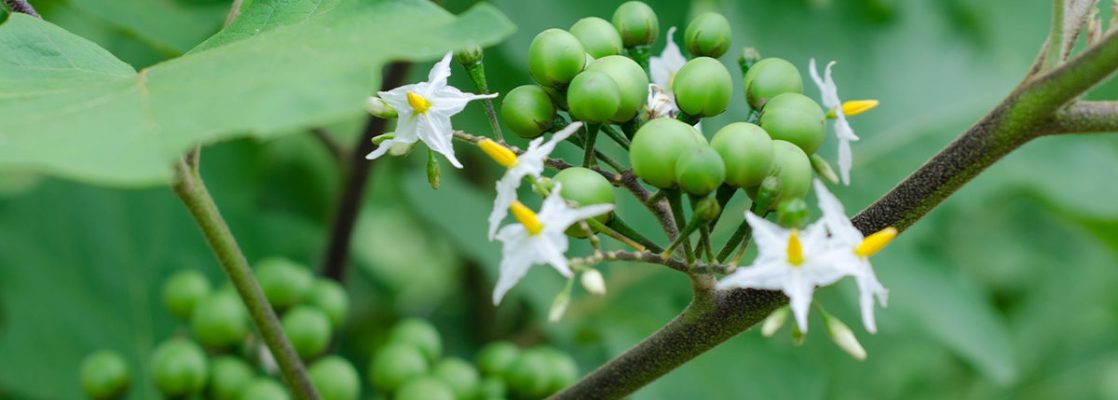
Turkey Berry (Solanum torvum)
Turkey berry, also known as Solanum torvum, is a type of spiny shrub that produces pea-sized berries. These berries are commonly used for culinary, horticultural, and medicinal purposes.
Turkey berry is a popular herbal remedy used in ancient folk medicine practices and is believed to help with various physical ailments such as high blood pressure, digestive issues, bacterial infections, and more. Additionally, turkey berry is rich in plant-based iron which makes it a popular choice to treat or prevent iron deficiency anaemia.
However, recent animal research suggests that the iron in turkey berries may not be well absorbed in the digestive tract. Therefore, it is uncertain whether consuming turkey berries can significantly improve one’s iron status. Pairing foods that are rich in vitamin C with turkey berries may help increase the absorption of iron from plant-based foods.
However, more research is needed to determine whether this method can improve the ability of turkey berries to treat anaemia.
The health benefits of turkey berries:
- May prevent and treat anaemia: Turkey berry is a particularly rich source of plant-based iron and is often consumed to treat or prevent iron deficiency anaemia. However, recent animal research indicates that it may not be well absorbed in the digestive tract. Thus, there’s no guarantee that adding turkey berries to your diet will dramatically improve your iron status.
- May help control blood sugar levels: Turkey berries are typically tangy and bitter, which makes them great for controlling blood sugar levels and preventing the onset of type-2 diabetes.
- May boost immunity: Turkey berries can help boost the body’s immunity from common ailments like colds, coughs, and flu.
- May help lower blood pressure: Turkey berries are highly packed with proteins, fibres, vitamins, minerals, and antioxidants, and they are low in fats and carbs. They are good sources of vitamins A and C. Turkey berry is used to treat high blood pressure.
- May have anti-inflammatory and anti-microbial properties: Turkey berry is a highly nutritious fruit that provides a range of vitamins, minerals, antioxidants, fiber, and protein. It has numerous potential health benefits, including anti-inflammatory and anti-microbial properties
- Help improve eyesight: Turkey berries is rich in vitamin A and carotenoids, which are essential for maintaining good eyesight and skin texture
How to use turkey berries:
Turkey berry is a versatile fruit that can be used in a variety of culinary and medicinal applications. Here are some ways to use turkey berries:
- As a food ingredient: Turkey berries can be used in a variety of dishes, including stews, soups, curries, and salads. They can be eaten raw or cooked, and they pair well with other vegetables and meats.
- As a natural remedy: Turkey berry has been used for centuries in traditional medicine to treat a variety of ailments, including high blood pressure, digestive issues, bacterial infections, and more. The fruit is often consumed as a tea or tonic, and it can also be applied topically to the skin.
- As a natural pesticide: Turkey berry contains compounds that are toxic to many common pests, including aphids, spider mites, and whiteflies. As such, it can be used as a natural pesticide in the garden.
- As a natural dye: Turkey berries can be used to create a natural dye that produces a range of colours, including green, yellow, and brown. The dye can be used to colour fabrics, yarns, and other materials
The side effect of Turkey berries
Turkey berry is generally safe to consume in moderation, but it can cause some side effects if consumed in excess.
According to a study conducted in 2015, consuming turkey berries in excess can result in gastrointestinal problems like constipation.
Additionally, consuming turkey berries in excess may result in nutrient toxicity due to the high content of iron, potassium, and calcium.
Turkey berry contains toxic compounds called glycoalkaloids, particularly solanine and solasonine. Ingesting high levels of glycoalkaloids can lead to symptoms like nausea, vomiting, abdominal pain, and diarrhoea. In severe cases, it may cause more serious health issues.
It’s important to make sure that turkey berries are ripe before consuming them, as unripe turkey berries can cause negative neurological and digestive symptoms
How to Cultivate Turkey berries:
- Collect seeds: Turkey berry plants can be grown from seeds. To do this, you will need to collect turkey berry seeds once the fruits have ripened and dried. Alternatively, you can buy turkey berry seeds online from Amazon.
- Soak seeds: Soak turkey berry seeds for at least 12 hours in clean water. If the seeds are floating on top of the water, gently push them into the bottom of the water with your fingers so they will get soaked well. If some seeds remain floating, remove them as the chances of them germinating are slim. After the 12 hours, sieve your turkey berry seeds. You can sow the seeds immediately or allow them to dry for about 2 hours before sowing.
- Prepare media: You can use soil or cocopeat to start your turkey berry seeds. Cocopeat is highly recommended as it has been used to germinate turkey berries with high success rates. Fill your seed starting pots/cups with the cocopeat. These should have some holes at the sides and bottom to allow aeration and also soil/seed germinating medium to drain well.
- Sow seeds: Sow the seeds about 1/4 inch deep in the soil. Water the soil well and keep it moist but not waterlogged. Place the pots in a warm, sunny location that receives at least 6 hours of direct sunlight per day.
- Transplant seedlings: Once the seedlings have grown to about 3 inches tall, they can be transplanted into larger pots or into the ground. If transplanting into the ground in your garden, make sure the seedlings are spaced about 5 feet apart. Soak the roots of your turkey berry seedlings in water for an hour. Dig a hole twice the size of the root ball and mix in compost or organic matter. Place the seedlings in the hole and backfill with soil. Water the soil well and keep it moist but not waterlogged.
The video below illustrates the use of Turkey berries for eyesight