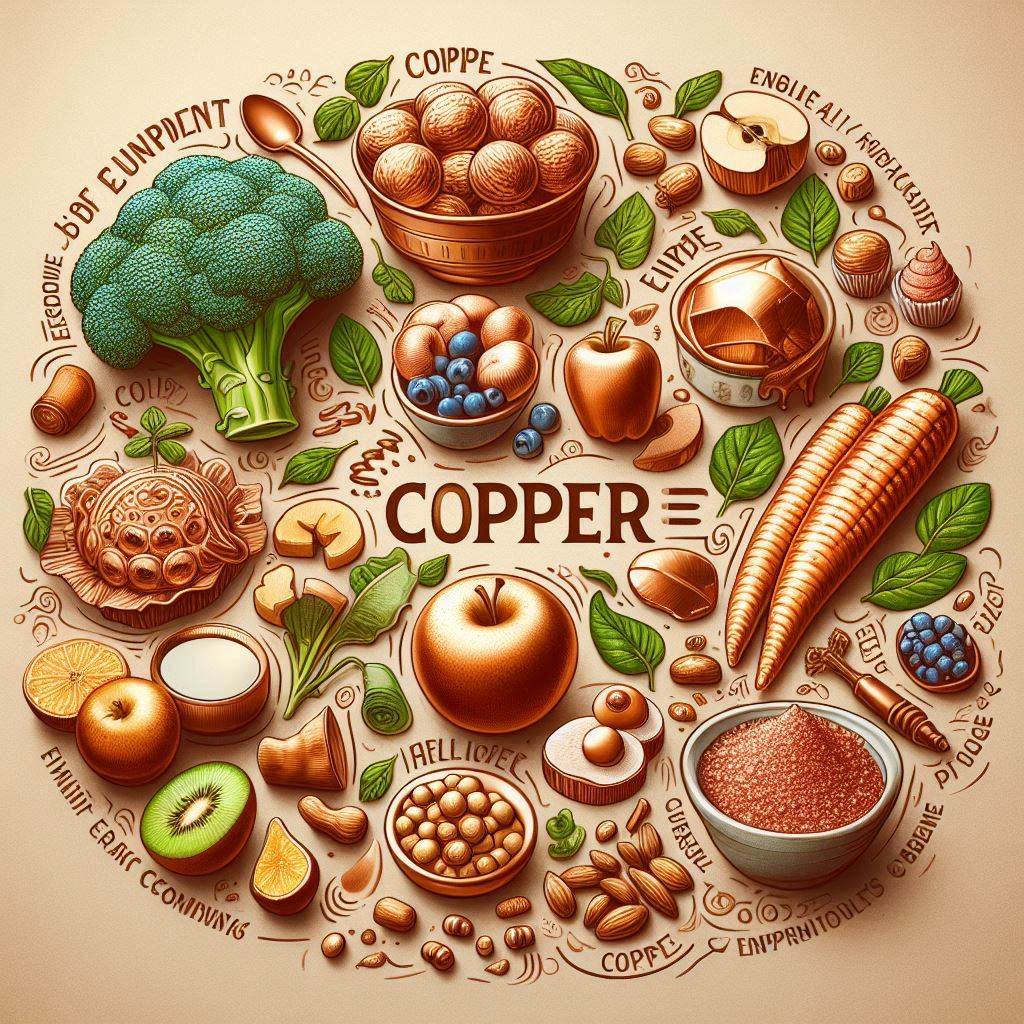
The Health Benefits and Properties of Copper
Copper is an essential trace mineral vital for various bodily functions. This article explores the numerous health benefits of copper, including its role in red blood cell production, immune support, and nerve health, as well as the unique chemical properties that make it indispensable for overall well-being.
Health Benefits of Copper
- Red Blood Cell Production: Copper is essential for the formation of red blood cells, which transport oxygen throughout the body.
- Nerve Health: It supports the health of nerve cells, ensuring proper functioning of the nervous system.
- Immune System Support: Copper boosts the immune system, helping the body fight off infections.
- Collagen Formation: It aids in the production of collagen, a protein necessary for healthy skin, bones, and connective tissues.
- Antioxidant Properties: Copper acts as an antioxidant, protecting cells from damage caused by free radicals.
- Iron Absorption: It enhances the absorption of iron, which is essential for preventing anaemia.
- Energy Production: Copper is involved in converting sugar into energy, helping maintain overall energy levels.
- Bone Health: Adequate copper intake helps maintain strong and healthy bones, reducing the risk of osteoporosis.
- Cardiovascular Health: Copper plays a role in maintaining heart health by supporting the structure and function of blood vessels.
- Skin Health: Copper is a component of melanin, which provides pigment and sun protection to your hair, skin, and eyes.
Copper can be found in various foods, including seafood, nuts, seeds, whole grains, and dark leafy green. It’s important to maintain a balanced intake, as both deficiency and excess copper can lead to health issues.
Chemical Properties of Copper
Copper, as an essential trace mineral, has several important chemical properties that make it beneficial for human health:
- Atomic Number: 29, indicating it has 29 protons and 29 electrons.
- Atomic Weight: 63.546.
- Electron Configuration: [Ar] 4s¹ 3d¹⁰.
- Valence States: Copper commonly exhibits valence states of +1 (cuprous) and +2 (cupric).
- Reactivity: Copper is relatively low in reactivity. It does not react with water but reacts slowly with atmospheric oxygen to form a layer of brown-black copper oxide.
- Solubility: Copper compounds, such as copper sulfate, are soluble in water and can be absorbed by the body.
- Antimicrobial Properties: Copper ions can disrupt microbial cell membranes, making copper compounds effective as antimicrobial agents.
- Catalytic Properties: Copper acts as a catalyst in various biochemical reactions, including the synthesis of haemoglobin and the metabolism of iron.
- Conductivity: Copper is an excellent conductor of electricity and heat, which is why it is used in various electrical and thermal applications.
- Colour: Copper has a distinctive reddish-orange colour and a bright metallic lustre.
These properties make copper an essential nutrient that supports various physiological functions, including the formation of red blood cells, maintenance of nerve cells, and immune system support
Symptoms of Copper Deficiency
Copper deficiency can lead to a variety of symptoms due to its essential role in many bodily functions. Here are some common symptoms:
- Fatigue and Weakness: Copper is crucial for iron absorption. Low copper levels can lead to iron deficiency anaemia, causing fatigue and weakness.
- Frequent Infections: Copper plays a role in maintaining a healthy immune system. Deficiency can result in a reduced white blood cell count, making you more susceptible to infections.
- Weak and Brittle Bones: Copper is involved in bone formation. Deficiency can lead to osteoporosis, characterized by weak and brittle bones.
- Problems with Memory and Learning: Copper is important for brain function. Deficiency can lead to cognitive issues, including memory and learning difficulties.
- Difficulties Walking: Copper deficiency can affect the nervous system, leading to problems with coordination and walking.
- Sensitivity to Cold: Copper helps maintain healthy thyroid function. Deficiency can result in hypothyroidism, causing increased sensitivity to cold.
- Pale Skin: Copper is involved in the production of melanin, the pigment that gives skin its colour. Deficiency can lead to paleness.
- Premature Gray Hair: Copper deficiency can affect melanin production, leading to premature greying of hair.
- Numbness and Tingling: Copper is essential for nerve health. Deficiency can cause numbness and tingling in the extremities.
- Vision Problems: Severe copper deficiency can lead to optic neuropathy, affecting vision.
If you suspect you have a copper deficiency, it’s important to consult with a healthcare professional for proper diagnosis and treatment.
Natural Sources of Edible Copper
Copper is an essential mineral found in a variety of foods. Here are some natural sources of edible copper:
- Liver: Organ meats, especially the liver, are extremely rich in copper.
- Oysters: These shellfish are not only delicious but also a great source of copper.
- Spirulina: This blue-green algae is a potent source of copper and other nutrients.
- Shiitake Mushrooms: These mushrooms are not only tasty but also high in copper.
- Nuts and Seeds: Almonds, sunflower seeds, and cashews are excellent sources of copper.
- Leafy Greens: Dark leafy greens like spinach and kale contain significant amounts of copper.
- Dark Chocolate: A delicious treat that also provides a good amount of copper.
- Whole Grains: Foods like quinoa and whole wheat are good sources of copper.
- Beans: Legumes such as lentils and chickpeas are rich in copper.
- Potatoes: This common vegetable also contains copper.
Including these foods in your diet can help ensure you get enough copper to support various bodily functions.
Safety and Side Effects of Copper on the Body
While copper is essential for health, excessive intake can lead to toxicity. Here are some safety considerations and potential side effects of copper:
Safety Considerations
- Recommended Intake: The recommended daily intake of copper for adults is about 900 micrograms. It’s important to stay within this range to avoid deficiency or toxicity.
- Sources: Copper can be ingested through food, water, and supplements. It’s crucial to monitor these sources to prevent excessive intake.
Side Effects of Excessive Copper
- Gastrointestinal Issues: High levels of copper can cause nausea, vomiting, diarrhoea, and stomach cramps.
- Liver Damage: Excessive copper can accumulate in the liver, leading to liver damage and jaundice (yellowing of the skin and eyes).
- Kidney Damage: Severe copper toxicity can damage the kidneys, leading to reduced urine production and kidney failure.
- Neurological Symptoms: High copper levels can affect the nervous system, causing symptoms like headaches, dizziness, and in severe cases, neurological damage.
- Anaemia: Excess copper can lead to hemolytic anaemia, where red blood cells are destroyed faster than they can be produced.
- Metallic Taste: A metallic taste in the mouth is a common symptom of copper toxicity.
- Behavioural Changes: Long-term exposure to high copper levels can cause mood swings, irritability, and depression.
- Muscle Weakness: Copper toxicity can lead to muscle weakness and convulsions.
- Respiratory Issues: Inhalation of copper dust or fumes can cause respiratory problems.
- Fatality: In extreme cases, copper toxicity can be fatal.
Prevention
- Balanced Diet: Ensure a balanced diet that includes copper-rich foods but avoids excessive supplementation.
- Water Quality: Monitor and maintain water quality to prevent copper contamination from pipes.
- Medical Consultation: Consult with healthcare professionals before taking copper supplements, especially if you have underlying health conditions.
If you suspect copper toxicity, seek medical attention immediately. Regular monitoring and a balanced approach to copper intake can help maintain optimal health.
External Link
safety and side effects of copper on the body
Natural Sources of Edible Copper
Symptoms of Copper Deficiency in the body