Skip to content
  • Home
  • About us
  • Products
  • plants
  • spices
  • fruits
  • Testimony
  • Videos
  • Contact us
Repamp Herbal Centre

Repamp Herbal Centre

Research and Promoters of African Medicinal Plants

  • Home
  • About us
  • Products
  • plants
  • spices
  • fruits
  • Testimony
  • Videos
  • Contact us
  • Toggle search form
Blue vervain plant,medicinal uses of blue vervain plant,how to use the blue vervain plant,contact us to buy blue vervain powder,treating bacterial infection,how to treat infertility in women,reduce cancer risk.

Blue Vervain Plant

Posted on November 22, 2023August 1, 2024 By Repamp Ghana

Blue Vervain Plant (Verbena Hastata)
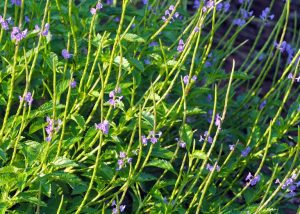
blue vervain
blue vervain

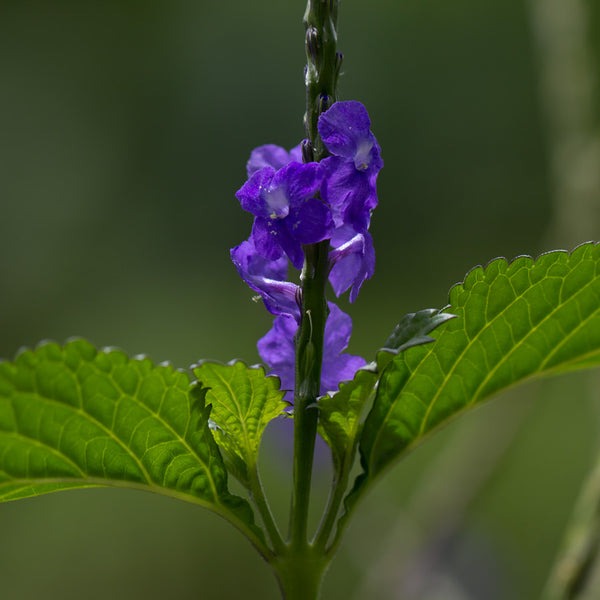
The Blue vervain is a wildflower native to North America and some parts of Africa that is often seen growing in moist, grassy meadows and along streams and roadsides where it brightens the landscape with spiky, bluish-purple blooms from midsummer to early autumn. It is also known as American blue vervain or wild hyssop.

Health Benefits of Blue Vervain

Blue Vervain is a traditional medicinal herb, with the roots, leaves or flowers used to treat conditions ranging from stomach aches, colds and fever to headaches, bruises and arthritis.

It is rich in plant-based compounds known as flavonoids, which are thought to have potent anti-inflammatory, antibacterial, antispasmodic, and analgesic (pain-relieving) effects.

Blue vervain is also believed to have anti-tumour properties that can help fight cancer.

In folk medicine, various Verbena species, including blue vervain, have been employed to combat ailments like scaris, provide demulcent effects, alleviate constipation, regulate menstrual flow, enhance milk secretion, address herpes zoster, induce sedation, treat snake bites, and relieve stomachaches.

Blue vervain is also used to relieve anxiety and depression, aches and pains, and sleep issues, and reduce cancer risk.

Chemical Properties of Blue Vervain

Blue vervain has the following chemical properties:

  • It is a rich source of iridoids, phenylpropanoid glycosides, phenolic acids, flavonoids, terpenoids, and essential oils.
  • Blue vervain’s most characteristic chemical constituents are the iridoid glycosides verbenalin and hastatoside.
  • It also contains beta-carotene, adenosine, and caffeic acid.
  • Some of its compounds have been shown to have anti-inflammatory, analgesic, and sedative effects

blue vervain

How to Use the Blue Vervain Plant

There are different ways to use blue vervain, depending on the part of the plant and the purpose. Here are some common methods:

  • Tea: You can make tea from the dried leaves, flowers, or roots of blue vervain. Tea is usually used for calming the nervous system, relieving stress and anxiety, improving digestion, and supporting the immune system. To make tea, add 1-3 teaspoons of the dried herb to a heat-proof jar and pour 8-10 oz. of hot water over them. Cover the jar and let your tea steep for at least 15 minutes. Strain out the herbs and drink 1-3 cups per day. You can add lemon and honey to improve the taste, as blue vervain is bitter.
  • Tincture: You can also make a tincture from the fresh or dried herb of blue vervain. A tincture is a concentrated liquid extract that preserves the active compounds of the herb in alcohol. Tinctures are usually used for hormonal balance, pain relief, inflammation, and detoxification. To make a tincture, fill a glass jar with the herb and cover it with 40% alcohol (such as vodka or brandy). Seal the jar and store it in a cool, dark place for 4-6 weeks, shaking it daily. Strain out the herb and store the liquid in a dark glass bottle with a dropper. Take 15-30 drops of the tincture 3 times a day.
  • Poultice: You can also apply blue vervain externally as a poultice to treat wounds, sores, bruises, and skin infections. A poultice is a moistened mass of the herb that is wrapped in a cloth and applied to the affected area. To make a poultice, crush or blend the fresh or dried herb with some water to form a paste. Spread the paste on a clean cloth and place it over the wound. Secure it with a bandage and leave it on for 15-20 minutes. Repeat as needed.
  • Powder: You can also use blue vervain as a powder to stop nosebleeds or to make flour. To make a powder, dry the herb and grind it into a fine powder. You can use a coffee grinder or a mortar and pestle for this. To stop a nosebleed, sniff a small amount of the powder. To make flour, mix the powder with other flour and use it for baking.

The side effects of Blue vervain Plants

 Blue vervain is a medicinal herb that may have some side effects. Some of the possible side effects are:

  • It may interfere with blood pressure medication and hormone therapy, as it may affect blood vessel dilation and hormone levels.
  • It may cause vomiting and diarrhoea if consumed in extremely large quantities.
  • It may stimulate the uterus and induce contractions, which can be dangerous during pregnancy
  • It may cause allergic reactions in some people, such as skin rashes, itching, or swelling.
  • It may interact with other herbs or supplements that have similar effects, such as sedatives, antidepressants, or anti-inflammatory agents.

Therefore, it is important to consult your healthcare provider before using blue vervain, especially if you have any medical conditions or take any medications. You should also start with a low dose and monitor your reaction.

Contact us for your Blue Vervain powder

Also, check

Hyssop

Jackalberry health benefit

Mimosa Pudica Benefits on Health

African Star Apple

plants Tags:analgesic (pain-relieving) effects, anti-inflammatory, antibacterial, antispasmodic, reduce cancer risk., regulate menstrual flow, stomachaches.

Post navigation

Previous Post: African Star Apple
Next Post: Iboga Plant (Tabernanthe iboga)

More Related Articles

Olive Plant (Olea europaea) Olive Plant (Olea europaea) fruits
African wild medlar (Vangueria apiculata) African wild medlar (Vangueria apiculata) plants
Rosemary Rosemary (Rosmarinus officinalis) plants
stone breaker plant  Stone Breaker Plant (Phyllanthus niruri) plants
detoxification Herbal Detoxification plants
Sage Plant Sage Plant (Salvia officinalis) plants
  • Başlayanlar üçün Aviator və Crash Oyunları: Pin Up Bet Onlayn Kazinosu
  • Varicocele (Herbal Treatment)
  • Tomatoes (Solanum lycopersicum)
  • Aloe vera
  • Purple cleome (Cleome rutidosperma)

Contact The Naturalist For Your Confidential Health Issues +233548383154

herbs
herbal spices_repampghana

Recent Posts

  • Başlayanlar üçün Aviator və Crash Oyunları: Pin Up Bet Onlayn Kazinosu
  • Varicocele (Herbal Treatment)
  • Tomatoes (Solanum lycopersicum)
  • Aloe vera
  • Purple cleome (Cleome rutidosperma)
  • Phosphorus (Health Benefits)
  • Green Tea (Camellia sinensis)
  • Milk thistle (Silybum marianum)
  • Fibroid (Uterine fibroid)
  • Pelvic Inflammatory Disease (PID)
  • Hernia (Herbal Ways To Manage)
  • Swahili Plant (Cyphostemma adenocaule)
  • Long Pepper (Piper longum)
  • Punarnava (Boerhaavia diffusa) Plant
  • Sickle Cell Anaemia
  • Vitamin B9 (Folic Acid)
  • Pignut (Hyptis suaveolens)
  • Vitamin B6 (Pyridoxine)
  • Oysters (Health Benefits)
  • Copper (Health Benefits)

Recent Comments

    Archives

    • August 2026
    • November 2024
    • October 2024
    • September 2024
    • August 2024
    • July 2024
    • June 2024
    • May 2024
    • April 2024
    • March 2024
    • February 2024
    • January 2024
    • December 2023
    • November 2023
    • October 2023
    • July 2023
    • April 2023
    • March 2023
    • December 2022
    • September 2022
    • August 2022
    • July 2022
    • June 2022
    • November 2021
    • October 2021
    • July 2021
    • June 2021
    • May 2021
    • April 2021
    • March 2021
    • February 2021
    • January 2021
    • December 2020
    • November 2020
    • October 2020
    • September 2020
    • February 2020
    • January 2020
    • December 2019
    Zahara herbal mixture and capsules
    Zahara herbal mixture and capsules

    Recent Posts

    • Başlayanlar üçün Aviator və Crash Oyunları: Pin Up Bet Onlayn Kazinosu
    • Varicocele (Herbal Treatment)
    • Tomatoes (Solanum lycopersicum)
    • Aloe vera
    • Purple cleome (Cleome rutidosperma)
    • Phosphorus (Health Benefits)
    • Green Tea (Camellia sinensis)
    • Milk thistle (Silybum marianum)
    • Fibroid (Uterine fibroid)
    • Pelvic Inflammatory Disease (PID)
    • Hernia (Herbal Ways To Manage)
    • Swahili Plant (Cyphostemma adenocaule)
    • Long Pepper (Piper longum)
    • Punarnava (Boerhaavia diffusa) Plant
    • Sickle Cell Anaemia
    • Vitamin B9 (Folic Acid)
    • Pignut (Hyptis suaveolens)
    • Vitamin B6 (Pyridoxine)
    • Oysters (Health Benefits)
    • Copper (Health Benefits)
    • Orange Leaves (Health Benefits)
    • Magnesium (Health Benefits)
    • Activated Charcoal (Health Benefits)
    • King Grass (Ageratum Conyzoides)
    • Plantain Peels – Health Benefits and Ways to Use
    • Eggs (Health Benefits and Nutritional Value)
    • Fresh Air and Its Health Importance
    • Flat-top Mille Graines (Oldenlandia corymbosa)
    • Perilla mint plant (Perilla frutescens)
    • Omega-3 Fatty Acids

    Categories


    Contact Us

    Zoom Lion Office,Zugjug Road, Tamale, Ghana.
    Box Office No. TL2155, Tamale, Northern Region, Ghana.
    WhatsApp Line: +233548383696
    Customer Care: +233548383154

    Social Media

          Email: repampgh@gmail.com
          Info@repampgh.com

          Links

          • Products
          • Common Plants
          • Health Benefit of Some Plants
          • Testimony
          • About us

          Copyright © 2026 Repamp Herbal Centre.

          Powered by PressBook Green WordPress theme