Benefits of the iboga plant
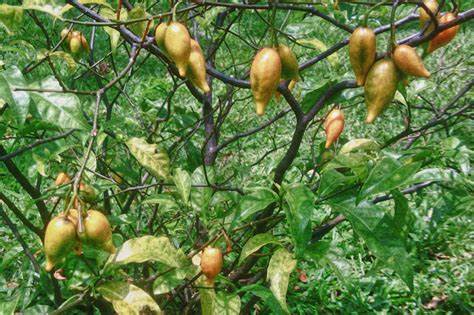
Iboga plant, a rainforest shrub native to Central Africa has psychoactive and medicinal properties. Here are some key points:
- Iboga plant is a member of the Apocynaceae family that grows in moist soil and partial shade. It has yellowish root bark and contains ibogaine and other alkaloids that can cause hallucinations and brain stimulation.
- Traditional use: Iboga is used by some African cultures, such as the Bwiti and Pygmy people, for ritual, ceremonial, and medicinal purposes. Iboga can produce a near-death experience and help people connect with their ancestors and spiritual guides.
- Addiction treatment: Ibogaine has been shown to reduce the withdrawal symptoms and cravings of opioid addicts. Ibogaine is also being studied for its potential to treat other addictions, such as alcohol, cocaine, and nicotine.
- Risks and legality: Ibogaine can also cause nausea, vomiting, tremors, headaches, and manic episodes. Ibogaine can be fatal in high doses or when combined with other drugs. Ibogaine is illegal in many countries, including the United States, where it is classified as a Schedule I substance.
Chemical properties of the iboga plant,
The root bark of the plant contains a variety of alkaloids, including the notable compound ibogaine, along with 11 other iboga alkaloids. Ibogaine is a psychoactive alkaloid with a complex and not fully understood pharmacodynamic profile. Its mechanism of action involves a multifaceted interaction with multiple neurotransmitters, rather than a singular one. The neurotransmitter systems affected by ibogaine include acetylcholine, dopamine, and serotonin

Spiritual Uses of Iboga plant
the iboga plant (also known as iboga) is a sacred plant that has been used for spiritual purposes by the Bwiti and Pygmy people of Central West Africa for thousands of years. Some of the spiritual uses of the iboga plant are:
- Physical and spiritual healings: The iboga plant can help heal various physical and mental conditions, such as trauma, addiction, depression, and anxiety. It can also help cleanse the body and soul of negative energies and restore balance and harmony
- Spiritual self-discovery: The iboga plant can induce a visionary state of consciousness that allows the user to access their inner wisdom, truth, and purpose. It can also help the user connect with their ancestors, guides, and the spirit of the plant itself
- Study the Art of Living: The iboga plant can teach the user how to live in harmony with nature, themselves, and others. It can also help the user develop virtues such as courage, honesty, humility, and gratitude
Interaction of Iboga and the Nervous System
Ibogaine is a psychedelic medicine derived from the iboga shrub native to Gabon. It interacts with the nervous system by activating numerous neurotransmitters that create a wide range of effects in the brain, including neuroplasticity. Ibogaine acts on receptors that modulate the release of three significant proteins that mediate neuroplasticity in the brain: BDNF (brain-derived neurotrophic factor), GDNF (glial cell-line derived neurotrophic factor), and NGF (nerve growth factor). These proteins work together to promote survival, growth, and maintenance of the central nervous system (CNS)
How to use the Iboga plant
The root bark of the plant contains the highest level of active alkaloids, which are responsible for its healing properties.
Iboga is commonly used in ceremonial practices and is a deeply grounding medicine that uses the truth to heal. Its goal is to bring you back to your original true self and reconnect you to your soul. It does this by first clearing out anything that doesn’t belong physically and mentally, often experienced as random thoughts, images, and such flowing by as it cleans everything out, much like defragmenting a computer. Iboga will also show you how your mind works, revealing patterns of thinking that you may have picked up throughout your life that are not generally healthy. After Iboga restores peace to the mind, it reveals the origins of your suffering and continues to teach you by showing you the truth. In short, it helps you release patterns, memories, and traumas to free you from them – so you can be the true you.
Iboga is not a medicine that can be used without guidance. It is important to seek out a trained practitioner who can guide you through the experience. The experience is different for every person every time, and therefore, one person who does it multiple times will have a different experience each time. Likewise, two people in the same ceremony will have very different experiences. This is because Iboga is a highly intelligent spirit that gives each person their own perfect healing experience to fit their specific needs – in the way they will best understand
Iboga Seeds
The seeds contain ibogaine, a natural psychedelic substance that has been used for centuries by indigenous people for spiritual and healing purposes. Ibogaine is also claimed to be effective in treating addiction to opioids, cocaine, alcohol, and other substances.
According to some sources, the iboga seeds are very rare and hard to find, as they lose their viability quickly after harvest. They need to be planted in a warm and humid environment that mimics their natural habitat. They also require patience and care, as they can take several years to grow and produce fruits.