
Sweet Broomweed (Scoparia Dulcis)
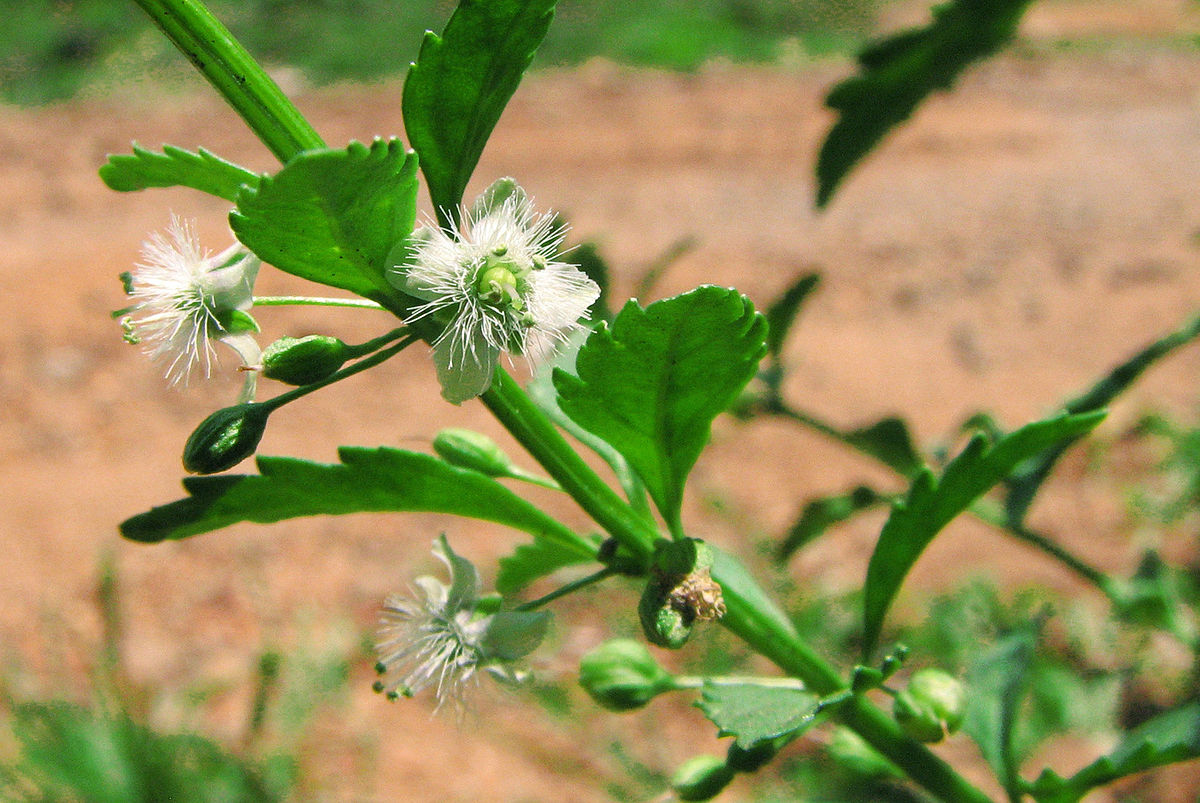
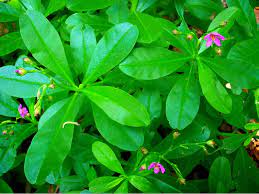
Scoparia dulcis is a species of flowering plant in the plantain family. Common names include licorice weed, goatweed, scoparia-weed and sweet-broom in English. Sweet broomweed is a small herbaceous plant native to tropical and subtropical regions. Sweet Broomweed or Licorice Weed, is a medicinal herb deeply rooted in traditional healing practices across diverse cultures.
Experimental studies reveal that Scoparia dulcis is a source of medicinally active compounds and has various pharmacological effects.
Health benefits of Sweet Broomweed (Scoparia dulcis)
- Traditional Uses:
- Diabetes and Hypertension: Scoparia has been used traditionally to treat diabetes mellitus in India and hypertension in Taiwa.
- Stomach Ailments: The fresh or dried plant has been used to treat stomach ailments, including inflammation, bronchitis, and haemorrhoids.
- Antipyretic and Analgesic: It serves as an antipyretic and analgesic agent.
- Blood Cleansing and General Tonic: Indigenous tribes in Nicaragua use it for blood cleansing, as an aid during childbirth, and as a general tonic.
- Skin Conditions: Scoparia is used to treat skin rashes, irritated skin, and burns in various regions.
- Antiviral and Anticancer Properties: It is valued for its antiviral, anticancer, anti-inflammatory, and analgesic effects.
- Pharmacological Activities:
- Anti-Inflammatory: Scoparia dulcis exhibits anti-inflammatory properties.
- Antioxidant: It has antioxidant activity, protecting cells from oxidative damage.
- Antimicrobial: The plant shows antimicrobial effects.
- Anti-Diabetic: Studies support its use in managing diabetes.
Remember that while traditional uses suggest potential benefits, scientific evidence varies, and further research is needed to fully understand scoparia’s effects. Always consult a healthcare professional before using herbal remedies
Chemical Properties of Sweet Broomweed (Scoparia dulcis)
the chemical properties of Scoparia dulcis (also known as Sweet Broomweed or Licorice Weed). This medicinal herb has a rich history of traditional use in various cultures. Here are some key points about its chemical composition and therapeutic effects:
- Phytochemical Composition:
- Flavonoids: Scoparia dulcis contains flavonoids, which contribute to its diverse pharmacological activities.
- Alkaloids: Alkaloids are another group of bioactive compounds found in this plant.
- Terpenoids: Terpenoids are also present and play a role in its medicinal properties.
- Pharmacological Properties:
- Anti-Inflammatory: Scoparia dulcis exhibits anti-inflammatory effects, which may help alleviate various conditions.
- Antioxidant: It has antioxidant activity, protecting cells from oxidative damage.
- Antimicrobial: The plant shows antimicrobial effects, making it potentially useful against infections.
- Anti-Diabetic: Research suggests that Scoparia dulcis may help regulate blood glucose levels.
- Traditional Uses:
- In folk medicine, Scoparia dulcis has been used for treating colds, fever, coughs, sore throats, and gastrointestinal issues.
- It has also shown promise in wound healing due to its anti-inflammatory and antimicrobial effects.
- Safety and Further Research:
- While promising, further research, including clinical trials, is needed to validate its safety and efficacy for specific medical conditions.
- Understanding optimal dosage and potential side effects is essential for integrating it into modern healthcare practices.
In summary, Scoparia dulcis offers potential therapeutic benefits, and its bioactive compounds make it an interesting subject for further exploration in natural remedies and pharmaceutical interventions.
How to use the Sweet Broomweed Sweet Broomweed (Scoparia dulcis)
sweet broomweed has been traditionally used in various cultures for its medicinal properties. Here’s how it can be used as herbal medicine:
- Preparation Methods:
- Infusion: A hot water infusion of the leaves or whole plant is commonly used. This method involves steeping the plant material in hot water to extract its active compounds.
- Decoction: The leaves or whole plant can also be boiled in water to create a stronger decoction, which is then consumed.
- Medicinal Uses:
- Diabetes and Hypertension: It’s used to manage diabetes mellitus and hypertension.
- Stomach Ailments: For treating stomach disorders, a decoction or infusion is taken orally.
- Respiratory Conditions: The plant is used for treating bronchitis and coughs with lung heat.
- Skin Conditions: Applied topically, it can treat skin rashes, insect bites, and wounds.
- General Tonic: It acts as a blood cleanser and general tonic, aiding in childbirth and overall well-being.
- Dosage:
- There is no standard dosage suggested due to the lack of clinical data. It is available commercially in combination with other herbs in tablet, capsule, and powder forms.
- Safety and Precautions:
- Pregnancy and Lactation: Avoid use during pregnancy and lactation because of the lack of safety data.
- Contraindications: Specific contraindications have not been identified, but it’s important to consult with a healthcare provider before use.
- Adverse Reactions:
- The plant species is associated with sympathomimetic effects, which can mimic the effects of sympathetic nervous system stimulation.
- Toxicology:
- No toxicology reports are available, but it’s crucial to use herbal medicine responsibly and under the guidance of a professional.
Remember, while Scoparia dulcis has a history of traditional use, scientific evidence for its efficacy and safety is still emerging. Always consult with a healthcare professional before starting any new herbal treatment.
Safety and side effects of Sweet Broomweed (Scoparia dulcis)
The safety and side effects of Scoparia dulcis, also known as sweet broomweed, have been a subject of interest in various studies. Here’s what the research suggests:
- Safety:
- Pregnancy and Lactation: Due to the lack of clinical data, it’s recommended to avoid using Scoparia dulcis during pregnancy and lactation.
- Contraindications: No specific contraindications have been identified, but it’s always prudent to consult with a healthcare provider before use.
- Side Effects:
- Sympathomimetic Effects: The plant species is associated with sympathomimetic effects, which can mimic the effects of sympathetic nervous system stimulation. This could potentially lead to side effects such as increased heart rate or blood pressure.
- Toxicology: No toxicology reports have been found, suggesting that the plant may not have significant toxic effects when used appropriately.
- Adverse Reactions:
- While adverse reactions are not well documented, the sympathomimetic effects suggest caution in individuals with cardiovascular conditions or sensitivities.
- Medicinal Potentials:
- Despite the need for caution, Scoparia dulcis has shown medicinal potentials, including anti-inflammatory, antioxidant, antimicrobial, and anti-diabetic properties.
- It has also been investigated for its role in wound healing and managing diabetes.
- Further Research:
- More research, including clinical trials, is needed to fully understand the safety profile, effective dosages, and potential side effects of Scoparia dulcis.
It’s important to note that while traditional and preliminary research findings are promising, they do not replace professional medical advice. Always consult a healthcare professional before starting any new treatment, especially herbal remedies, to ensure they are safe and appropriate for your individual health needs.
External link
Health benefits of Sweet Broomweed (Scoparia dulcis)
Chemical Properties of Sweet Broomweed (Scoparia dulcis)
How to use the Sweet BroomweedSweet Broomweed (Scoparia dulcis)
Safety and side effects of Sweet Sweet Broomweed (Scoparia dulcis)