The Amazing Health Benefits of Psyllium Plant
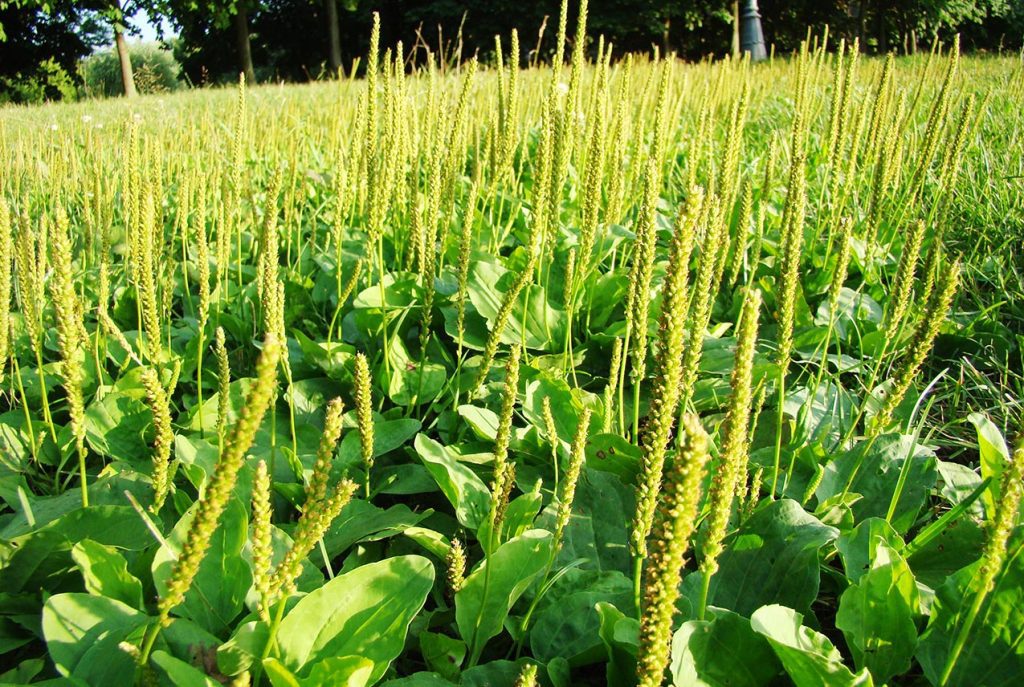
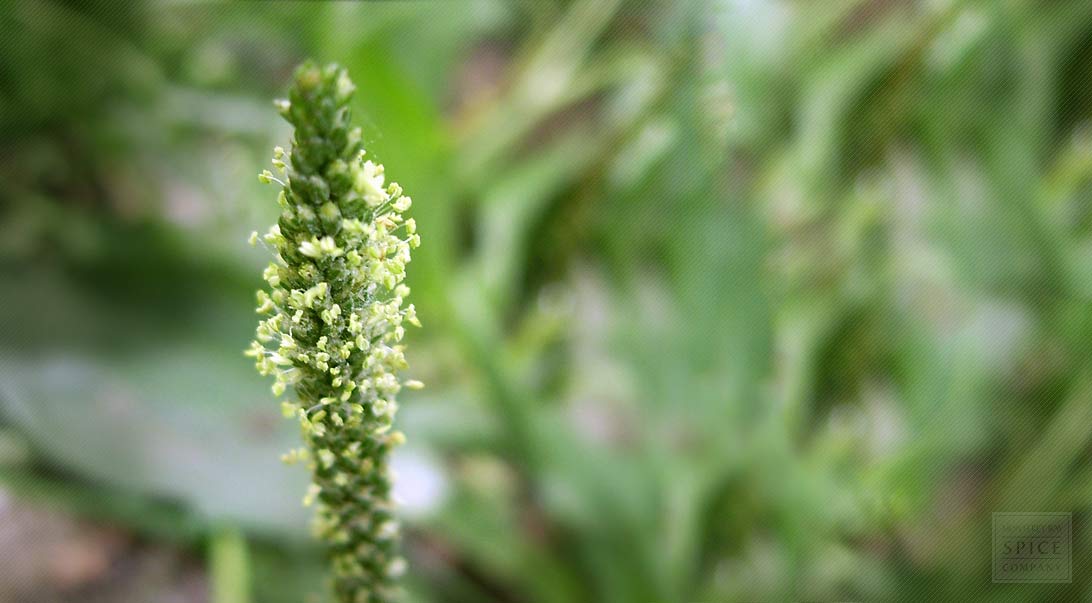
Psyllium (Plantago ovata) is a plant species that belongs to the family Plantaginaceae. It is native to the Mediterranean region and naturalized in many parts of the world. It is also known by various common names, such as blond plantain, desert Indianwheat, blond psyllium, and ispaghol. It is mainly cultivated for its seeds and husks, which are rich in soluble fibre and used as a dietary supplement. Psyllium, the fibre extracted from the plant, has many health benefits, such as easing constipation, lowering cholesterol, managing diabetes, and supporting heart health
Health Benefits of Psyllium Plant
As a good source of soluble fibre that can help with various health issues, such as constipation, cholesterol, diabetes, and heart health. Psyllium plant may have some benefits related to heat, such as:
- It can lower body temperature by increasing sweat production and evaporation.
- It can prevent heat stroke by maintaining hydration and electrolyte balance.
- It can reduce inflammation and oxidative stress caused by heat exposure
- The husks, which are rich in soluble fibre are used as a dietary supplement.
- The fibre extracted from the plant, has many health benefits, such as easing constipation,
- Lowering cholesterol,
- Managing diabetes,
- And supporting heart health.
Some of the chemical properties of psyllium are:
- Molecular weight: The molecular weight of psyllium polysaccharides ranges from 200,000 to 5,800,000 Da, depending on the degree of polymerization and branching. The higher the molecular weight, the higher the viscosity and water-holding capacity of psyllium.
- Solubility: Psyllium polysaccharides are soluble in water, but insoluble in organic solvents. The solubility of psyllium depends on the temperature, pH, and ionic strength of the solution. Psyllium is more soluble at higher temperatures, lower pH, and lower ionic strength.
- Viscosity: Psyllium polysaccharides have a high viscosity, which means they can resist the flow of liquids. The viscosity of psyllium depends on the concentration, temperature, pH, and shear rate of the solution. Psyllium has a higher viscosity at higher concentrations, lower temperatures, lower pH, and lower shear rates.
- Swelling: Psyllium polysaccharides have a high swelling capacity, which means they can absorb water and expand in volume. The swelling of psyllium depends on the water availability, temperature, pH, and ionic strength of the solution. Psyllium can swell up to 40 times its original weight in water.
- Gelation: Psyllium polysaccharides can form a gel-like substance when they interact with water. The gelation of psyllium depends on the concentration, temperature, pH, and ionic strength of the solution. Psyllium can form a gel at concentrations above 1.5%, temperatures below 60°C, pH below 6, and ionic strength below 0.1 M.
Psyllium has many applications in the food, pharmaceutical, and cosmetic industries, due to its chemical properties and health benefits. Psyllium can improve the texture, stability, and shelf-life of food products, such as bread, cakes, cookies, ice cream, yoghurt, and beverages. Psyllium can also act as a laxative, a cholesterol-lowering agent, a blood glucose regulator, and a prebiotic, among other effects
Different ways to use psyllium plant
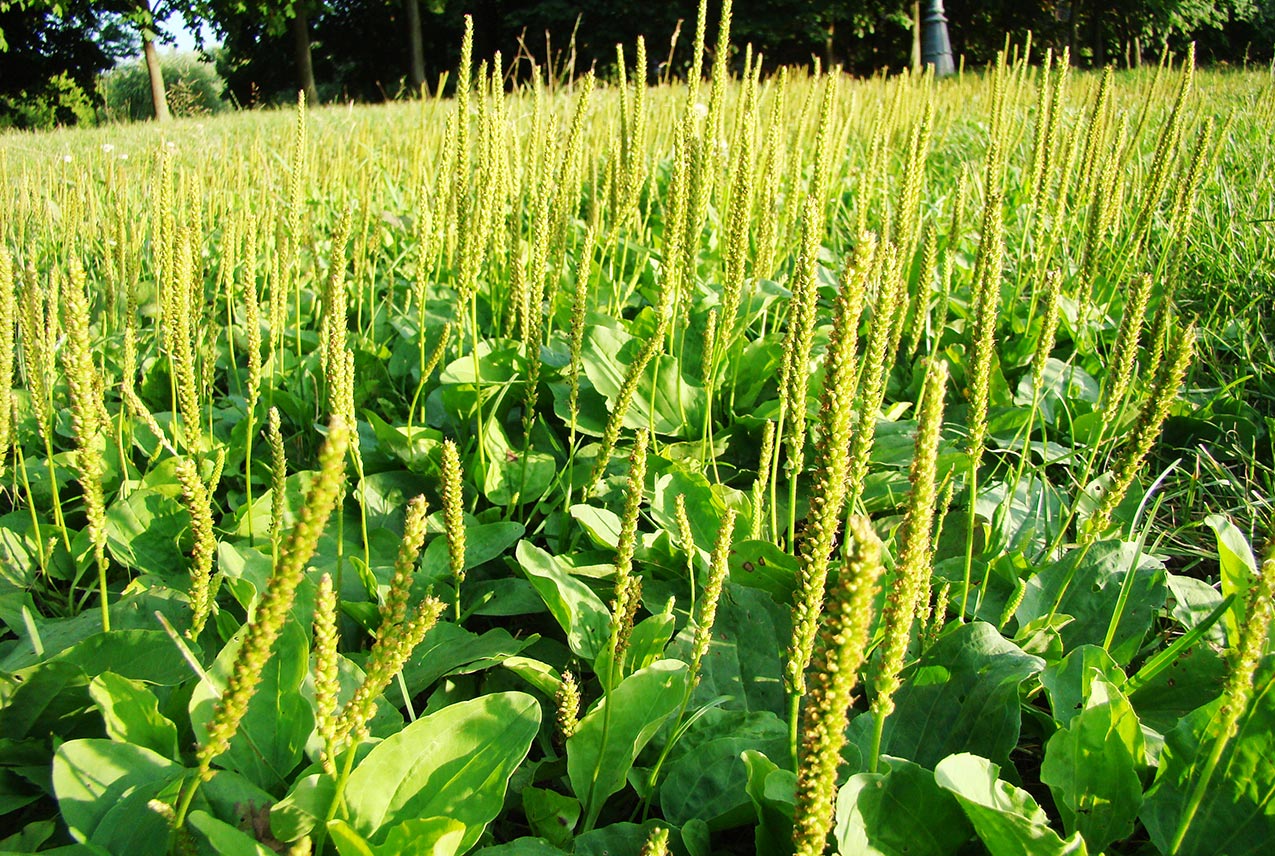
Here are some general guidelines:
Psyllium husk: This is the most common form of psyllium, usually sold as a powder or granules. You can mix it with water, juice, milk, or any other liquid of your choice. The recommended dosage is 5 to 10 grams per day, divided into two or three doses. You should drink it immediately before it becomes too thick to swallow, and follow it with another glass of water. You can also add psyllium husk to foods like cereals, yoghurt, smoothies, or baked goods, but make sure to drink enough water with them.
Psyllium capsules: These are convenient for people who do not like the taste or texture of psyllium husk. You can swallow them with water, as directed on the label. The usual dosage is 2 to 6 capsules per day, depending on the strength and the product.
Psyllium seeds: These are the whole seeds of the psyllium plant, which can be sprouted and eaten raw or cooked. They have a nutty flavour and a crunchy texture. You can use them as a salad topping, a snack, or an ingredient in breads or muffins. The recommended dosage is 10 to 30 grams per day, soaked in water for several hours before consumption.
Psyllium plant can be a natural and effective way to improve your digestive health and overall well-being, but you should always consult your doctor before using it, especially if you have any medical conditions or take any medications. You should also start with a low dose and gradually increase it, to avoid potential side effects like gas, bloating, cramps, or allergic reactions. Psyllium plant should always be taken with plenty of water, to prevent dehydration and choking.
Side Effects of Psyllium Plant
Psyllium plant is generally safe and well-tolerated, but it may cause some side effects, such as:
Gas and bloating: These are common side effects that may occur when you start taking psyllium plant, as your body adjusts to the increased fibre intake. They usually go away after a few days or weeks. You can reduce them by drinking plenty of water, starting with a low dose, and gradually increasing it
Diarrhea or constipation: These are rare side effects that may occur if you take too much or too little psyllium plant, or if you have a sensitive digestive system. You can prevent them by following the dosage instructions on the label, drinking enough water, and eating a balanced diet.
Nausea and vomiting: These are very rare side effects that may occur if you are allergic to the psyllium plant, or if you have a medical condition that affects your stomach or oesophagus. You should stop taking the psyllium plant and seek medical attention if you experience these symptoms.
Allergic reactions: These are extremely rare but potentially serious side effects that may occur if you are hypersensitive to the psyllium plant or any of its components. They may include rash, hives, itching, swelling, wheezing, difficulty breathing, or anaphylaxis. You should stop taking the psyllium plant and seek emergency medical help if you experience these symptoms.
Psyllium plants can also interact with some medications, such as thyroid hormones, blood thinners, diabetes drugs, or cholesterol-lowering drugs. You should consult your doctor before taking psyllium plant if you are on any of these medications, or any other medications, to avoid possible interactions or reduced effectiveness
How to get psyllium plant:
- Buying psyllium products: Psyllium products are widely available in various forms, such as powder, granules, capsules, or tablets. You can find them in health stores, pharmacies, supermarkets, or online. Some popular brands of psyllium products are Metamucil, Konsyl, and Now Foods. You can also buy organic or gluten-free psyllium products if you prefer. When buying psyllium products, make sure to check the label for the ingredients, dosage, expiration date, and possible allergens. You should also follow the instructions on how to use them, and consult your doctor before taking them if you have any medical conditions or take any medications.
- Growing psyllium plants: Psyllium plants are easy to grow and can be cultivated either indoors or outdoors. You can buy psyllium seeds from a garden centre or online, or you can harvest them from existing psyllium plants. To grow psyllium plants, you need to provide them with plenty of sunlight, well-draining soil, and regular watering. You can sow the seeds in spring, when the temperature is warm enough, and expect to see the plants sprout in a few weeks. You can harvest the seeds when the plants mature, usually in summer or autumn. You can then use the seeds for various purposes, such as sprouting, cooking, or making your own psyllium husk