Skip to content
  • Home
  • About us
  • Products
  • plants
  • spices
  • fruits
  • Testimony
  • Videos
  • Contact us
Repamp Herbal Centre

Repamp Herbal Centre

Research and Promoters of African Medicinal Plants

  • Home
  • About us
  • Products
  • plants
  • spices
  • fruits
  • Testimony
  • Videos
  • Contact us
  • Toggle search form
Gotu Kola (Centella asiatica)

Gotu Kola (Centella asiatica)

Posted on June 6, 2024June 6, 2024 By Repamp Ghana

Gotu Kola (Centella asiatica) Health Benefits and Herbal Uses

Gotu Kola (Centella asiatica)

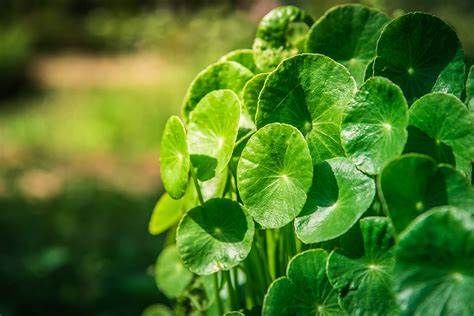
Centella asiatica, also known as Indian pennywort, Asiatic pennywort, spadeleaf, coinwort, or gotu kola, is a herbaceous perennial plant in the Apiaceae family of flowering plants. It is native to tropical regions in Africa, Asia, Australia, and islands in the western Pacific Ocean. This plant is widely used as a culinary vegetable and in traditional medicine.

Medicinal Benefits of Gotu kola (Centella asiatica)

Certainly! Gotu kola (also known as Centella asiatica) is a remarkable medicinal herb with a rich history of traditional use in various cultures. Let’s explore its health benefits:

  1. Cognitive Enhancement:
    • Gotu kola may enhance cognitive function and memory. A 2016 study found that gotu kola extract was effective in improving overall cognition, especially the memory domain, after a stroke. It’s considered a potential treatment for Alzheimer’s disease, although more research is needed.
    • Dosage: Take 750 to 1,000 mg of gotu kola per day for up to 14 days at a time.
  2. Alzheimer’s Disease:
    • Gotu kola has shown promise in treating Alzheimer’s disease. Lab and animal studies indicate that it can protect brain cells from toxicity and potentially prevent plaque formation associated with Alzheimer’s.
    • Dosage: Take 30 to 60 drops of liquid gotu kola extract 3 times per day.
  3. Anxiety and Stress Reduction:
    • Gotu kola has an anti-anxiety effect. In a 2016 study, it reduced anxiety-induced behavior in sleep-deprived mice. While more research is needed, it shows promise in relieving stress and anxiety.
  4. Varicose Veins and Venous Insufficiency:
    • Gotu kola can be used to treat varicose veins and venous insufficiency. Participants who took gotu kola supplements showed improvements in vein health, it reduces inflammation and pain.
  5. Skin Health and Wound Healing:
    • Gotu kola creams or ointments may prevent scarring, aid in wound healing, and help with conditions like psoriasis. It’s also used to reduce stretch marks during pregnancy.

Remember that while gotu kola has promising benefits, further research is needed to fully understand its effects and safety. Always consult with a healthcare professional before adding herbal supplements to your routine.

The Chemical Composition of Gotu Kola (Centella asiatica)

Gotu Kola (Centella asiatica)

Gotu Kola (Centella asiatica) is known for its rich chemical composition, which contributes to its medicinal properties. Here’s a detailed look at its chemical constituents:

  1. Triterpenoids: These are the main active compounds in Gotu Kola, including:
    • Asiaticoside: Known for its wound healing and skin repair properties.
    • Madecassoside: It has anti-inflammatory and antioxidant effects.
    • Asiatic Acid: Contributes to the plant’s anti-inflammatory and wound healing abilities.
    • Madecassic Acid: Also known as brahmic acid, it has similar properties to asiatic acid.
  2. Phenolic Compounds: These include:
    • Kaempferol: A flavonoid with antioxidant properties.
    • Quercetin: Known for its anti-inflammatory and antioxidant effects.
  3. Amino Acids: Such as alanine, serine, aspartate, and glutamate, are building blocks of proteins.
  4. Carbohydrates: Like glucose and mesoinositol, they provide energy and have various health benefits.
  5. Other Compounds: Gotu Kola also contains:
    • Centellose: A carbohydrate component.
    • Centelloside: A saponin that may contribute to the plant’s medicinal effects.
    • Brahmoside: Another saponin with potential health benefits.

The combination of these compounds gives Gotu Kola its diverse pharmacological activities, including neuroprotective, wound healing, anti-venous insufficiency, and anti-diabetic activities. It’s important to note that while these compounds have been identified, their exact roles and synergistic effects in human health are still being researched.

Remember to consult with a healthcare professional before using Gotu Kola or any other herbal supplements, especially if you have existing health conditions or are taking other medications.

How to Use Gotu Kola (Centella asiatica) as Herbal Medicine

Gotu Kola, or Centella asiatica, is a versatile herb used in traditional medicine for a variety of health conditions. Here’s how you can use it as herbal medicine:

  1. Oral Consumption:
    • Tea: You can make a tea by steeping dried Gotu Kola leaves in hot water.
    • Juice: Fresh leaves can be juiced and consumed directly.
    • Supplements: Gotu Kola is available in capsule, tablet, or tincture form. The dosage varies, but a common recommendation is 30 to 60 drops of liquid extract 3 times per day.
  2. Topical Application:
    • Creams and Ointments: Gotu Kola can be applied topically in the form of creams or ointments to help with wound healing, psoriasis, and to reduce scarring and stretch marks during pregnancy.
  3. Cognitive Function:
    • Memory Enhancement: Some studies suggest that taking 750 to 1,000 mg of Gotu Kola per day can help boost cognitive function after a stroke.
  4. Circulatory Health:
    • Varicose Veins: Gotu Kola supplements have been shown to improve the health of veins, reducing inflammation and pain.
  5. Stress and Anxiety:
    • Relaxation: Gotu Kola may have a relaxing or anti-anxiety effect. Research suggests it could be beneficial for those experiencing stress and anxiety.

Remember, while Gotu Kola has been used for centuries in traditional medicine, it’s important to consult with a healthcare professional before starting any new herbal treatment, especially if you have existing health conditions or are taking other medications.
Safety and Adverse Effects of Gotu Kola (Centella asiatica)

Gotu Kola, known scientifically as Centella asiatica, is generally considered safe when used appropriately. However, like any herbal supplement, it may have potential side effects and precautions to consider:

  1. Oral Consumption:
    • General Safety: It is possibly safe for most people when taken by mouth for up to 12 months.
    • Side Effects: Some individuals might experience nausea and stomach pain.
  2. Topical Application:
    • General Safety: Possibly safe when used on the skin for up to 10 weeks.
    • Side Effects: It might cause itchiness and redness.
  3. Pregnancy and Breastfeeding:
    • Pregnancy: There isn’t enough reliable information to know if Gotu Kola is safe to take by mouth during pregnancy. It’s possibly safe when applied to the skin.
    • Breastfeeding: The safety of Gotu Kola during breastfeeding is not well established. It’s best to stay on the safe side and avoid use.
  4. Liver Disease:
    • Individuals with liver disease should avoid Gotu Kola as it might cause or worsen liver damage.
  5. Surgery:
    • Gotu Kola might cause too much sleepiness if combined with medications used during and after surgery.
  6. Other Possible Side Effects:
    • There is evidence that Gotu Kola may lead to headaches, dizziness, or skin rashes/irritation in some people.

It’s important to consult with a healthcare professional before using Gotu Kola, especially if you have existing health conditions or are taking other medications. This ensures that you use the herb safely and avoid any adverse effects.
External links

Gotu Kola (Centella asiatica) Health Benefits

healthline.com
webmd.com
botanicalinstitute.org
Gotu Kola (Centella asiatica) chemical compostion
en.wikipedia.org
link.springer.com
Safety and Adverse Effects of Gotu Kola (Centella asiatica)
webmd.com
health.com
doctorshealthpress.com
plants, Uncategorized Tags:Alzheimer’s Disease, Anxiety and Stress Reduction, Centella asiatica, Cognitive Enhancement, skin health, wound healing

Post navigation

Previous Post: Sweet Broomweed (Scoparia Dulcis)
Next Post: Herbal Detoxification

More Related Articles

beetroot Beetroot (Beta vulgaris) plants
tawa plant Tawa plant plants
Echinacea purpurea (Purple Coneflower) Cone flower (Echinacea purpurea) plants
Hypoxis hemerocallidea (African potato) Hypoxis hemerocallidea (African potato) plants
Eucalyptus plant Gum Tree (Eucalyptus) plants
owolowo leaf Awolowo plant ( Chromolaena odorata) plants
  • Varicocele (Herbal Treatment)
  • Tomatoes (Solanum lycopersicum)
  • Aloe vera
  • Purple cleome (Cleome rutidosperma)
  • Phosphorus (Health Benefits)

Contact The Naturalist For Your Confidential Health Issues +233548383154

herbs
herbal spices_repampghana

Recent Posts

  • Varicocele (Herbal Treatment)
  • Tomatoes (Solanum lycopersicum)
  • Aloe vera
  • Purple cleome (Cleome rutidosperma)
  • Phosphorus (Health Benefits)
  • Green Tea (Camellia sinensis)
  • Milk thistle (Silybum marianum)
  • Fibroid (Uterine fibroid)
  • Pelvic Inflammatory Disease (PID)
  • Hernia (Herbal Ways To Manage)
  • Swahili Plant (Cyphostemma adenocaule)
  • Long Pepper (Piper longum)
  • Punarnava (Boerhaavia diffusa) Plant
  • Sickle Cell Anaemia
  • Vitamin B9 (Folic Acid)
  • Pignut (Hyptis suaveolens)
  • Vitamin B6 (Pyridoxine)
  • Oysters (Health Benefits)
  • Copper (Health Benefits)
  • Orange Leaves (Health Benefits)

Recent Comments

    Archives

    • November 2024
    • October 2024
    • September 2024
    • August 2024
    • July 2024
    • June 2024
    • May 2024
    • April 2024
    • March 2024
    • February 2024
    • January 2024
    • December 2023
    • November 2023
    • October 2023
    • July 2023
    • April 2023
    • March 2023
    • December 2022
    • September 2022
    • August 2022
    • July 2022
    • June 2022
    • November 2021
    • October 2021
    • July 2021
    • June 2021
    • May 2021
    • April 2021
    • March 2021
    • February 2021
    • January 2021
    • December 2020
    • November 2020
    • October 2020
    • September 2020
    • February 2020
    • January 2020
    • December 2019
    Zahara herbal mixture and capsules
    Zahara herbal mixture and capsules

    Recent Posts

    • Varicocele (Herbal Treatment)
    • Tomatoes (Solanum lycopersicum)
    • Aloe vera
    • Purple cleome (Cleome rutidosperma)
    • Phosphorus (Health Benefits)
    • Green Tea (Camellia sinensis)
    • Milk thistle (Silybum marianum)
    • Fibroid (Uterine fibroid)
    • Pelvic Inflammatory Disease (PID)
    • Hernia (Herbal Ways To Manage)
    • Swahili Plant (Cyphostemma adenocaule)
    • Long Pepper (Piper longum)
    • Punarnava (Boerhaavia diffusa) Plant
    • Sickle Cell Anaemia
    • Vitamin B9 (Folic Acid)
    • Pignut (Hyptis suaveolens)
    • Vitamin B6 (Pyridoxine)
    • Oysters (Health Benefits)
    • Copper (Health Benefits)
    • Orange Leaves (Health Benefits)
    • Magnesium (Health Benefits)
    • Activated Charcoal (Health Benefits)
    • King Grass (Ageratum Conyzoides)
    • Plantain Peels – Health Benefits and Ways to Use
    • Eggs (Health Benefits and Nutritional Value)
    • Fresh Air and Its Health Importance
    • Flat-top Mille Graines (Oldenlandia corymbosa)
    • Perilla mint plant (Perilla frutescens)
    • Omega-3 Fatty Acids
    • Banana Stem – Health Benefits

    Categories


    Contact Us

    Zoom Lion Office,Zugjug Road, Tamale, Ghana.
    Box Office No. TL2155, Tamale, Northern Region, Ghana.
    WhatsApp Line: +233548383696
    Customer Care: +233548383154

    Social Media

          Email: repampgh@gmail.com
          Info@repampgh.com

          Links

          • Products
          • Common Plants
          • Health Benefit of Some Plants
          • Testimony
          • About us

          Copyright © 2026 Repamp Herbal Centre.

          Powered by PressBook Green WordPress theme