Mushrooms
The Health Benefits of Mushrooms
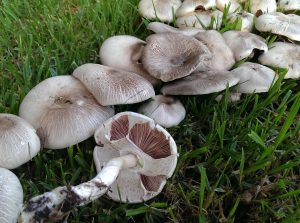 Mushrooms are a type of fungi that can be consumed as food or used for medicinal purposes. They are rich in various chemical properties that can affect human and animal health, nutrition, and functional food
Medicinal mushrooms and their benefits:
Mushrooms have been used for medicinal purposes for thousands of years due to their varied and uniquely adaptive benefits for health. Here are some of the most popular
- Lion’s Mane Mushroom: Supports healthy brain function and neuron generation.
- Reishi Mushroom: Boosts the immune system and helps fight fatigue and depression.
- Cordyceps Mushroom: Increases energy and stamina, improves athletic performance, and helps fight inflammation.
- Chaga Mushroom: Rich in antioxidants, helps fight inflammation, and supports the immune system.
- Turkey Tail Mushroom: Helps fight cancer, boosts the immune system, and supports gut health.
- Shiitake Mushroom: Helps lower cholesterol levels, supports the immune system, and has anti-inflammatory properties.
- Maitake Mushroom: Helps lower blood sugar levels, supports the immune system, and has anti-inflammatory properties.

These mushrooms can be consumed in various forms such as fresh and dried mushrooms, mushroom teas, tinctures and extracts, capsules and supplements, and mushroom powders. However, it is important to note that consuming mushrooms can be dangerous and should only be done under the guidance of a medical professional.
Help protect against cancer?
Some varieties of mushrooms have been shown to have the potential to protect against cancer by protecting our cells against DNA damage but also inhibiting tumour formation. They may be beneficial in the treatment and management of neuron-degenerative diseases such as Alzheimer’s.
Help protect heart health?
Mushrooms have been shown to have some therapeutic properties that can help to lower cholesterol, particularly in overweight adults, as well as photo-nutrients that can help prevent cells from sticking to blood vessel walls and forming plaque build-up. This helps protect the heart by maintaining healthy blood pressure and circulation.
The best ways to cook mushrooms:
Whilst this plant can be eaten raw and might have some beneficial effect on the digestive system, certain cooking methods have been shown to increase some of their nutrient status, especially if grilled or cooked in a microwave.
New research by the International Journal of Food Sciences and Nutrition looked at certain mushroom types (namely white button, shiitake, oyster and king oyster mushrooms) along with different cooking methods and found that when they are exposed to short cooking times they retain more of their vitamins and nutrients.
Microwaving or grilling significantly increases their antioxidant activity, even when grilled in a small amount of oil, when compared to boiling or frying.
Chemical properties of mushrooms
- Ergosterol: This is a substance in mushrooms that is similar to cholesterol in animals. It can be converted to vitamin D2 when exposed to ultraviolet light. Vitamin D2 is important for bone health and immune function. Mushrooms can vary in their vitamin D2 content depending on how much UV light they receive
- Polysaccharides: These are complex carbohydrates that are found in the cell walls of mushrooms. They have been shown to have antioxidant, anti-inflammatory, and anticancer effects in cell and animal studies. Some examples of polysaccharides are beta-glucans, chitin, and mannans
- Phenolic compounds: These are organic molecules that have one or more hydroxyl groups attached to a benzene ring. They have antioxidant, anti-inflammatory, and antimicrobial properties. Some examples of phenolic compounds are flavonoids, tannins, and phenolic acids
- Triterpenoids and sterols: These are lipids that have a carbon skeleton of four fused rings. They have various biological activities, such as modulating cholesterol levels, inhibiting tumour growth, and enhancing immune response. Some examples of triterpenoids and sterols are ganoderic acid, ergosterol, and lanosterol
- Fatty acids and lipids: These are organic molecules that consist of a long hydrocarbon chain with a carboxyl group at one end. They are the main components of fats and oils. They have various functions, such as providing energy, forming cell membranes, and regulating hormones. Some examples of fatty acids and lipids are oleic acid, linoleic acid, and phospholipids
- Proteins, peptides, and lectins: These are organic molecules that are made of amino acids linked by peptide bonds. They have various roles, such as catalyzing reactions, transporting substances, and signalling pathways. Some examples of proteins, peptides, and lectins are laccase, lysozyme, and agglutinin
Side Effect Of Mushroom
Mushrooms are a type of fungi that can be consumed as food or used for medicinal purposes. However, some mushrooms contain psychoactive compounds that can cause hallucinations and other unwanted side effects. The most commonly known psychoactive mushroom is the psilocybin mushroom, also known as magic mushrooms. Psilocybin is a naturally occurring compound that can cause hallucinations, delusional or irrational behaviour, distorted sight or sound perceptions, dissociation from people or surroundings, and psychosis.
Other side effects of consuming mushrooms include panic attacks, paranoia, mood swings, nausea, tremors, and flashbacks. However, mushrooms can also have positive effects on the body, such as helping the body adapt to stress better and creating more of a homeostasis.
It is important to note that consuming mushrooms can be dangerous and should only be done under the guidance of a medical professional. If you are experiencing any negative side effects from consuming mushrooms, seek medical attention immediately.

NOTE
Not all mushrooms are safe for human consumption, you must heed caution before dashing out to your nearest woodland. make sure you are conversant with the edible one’s