Skip to content
  • Home
  • About us
  • Products
  • plants
  • spices
  • fruits
  • Testimony
  • Videos
  • Contact us
Repamp Herbal Centre

Repamp Herbal Centre

Research and Promoters of African Medicinal Plants

  • Home
  • About us
  • Products
  • plants
  • spices
  • fruits
  • Testimony
  • Videos
  • Contact us
  • Toggle search form
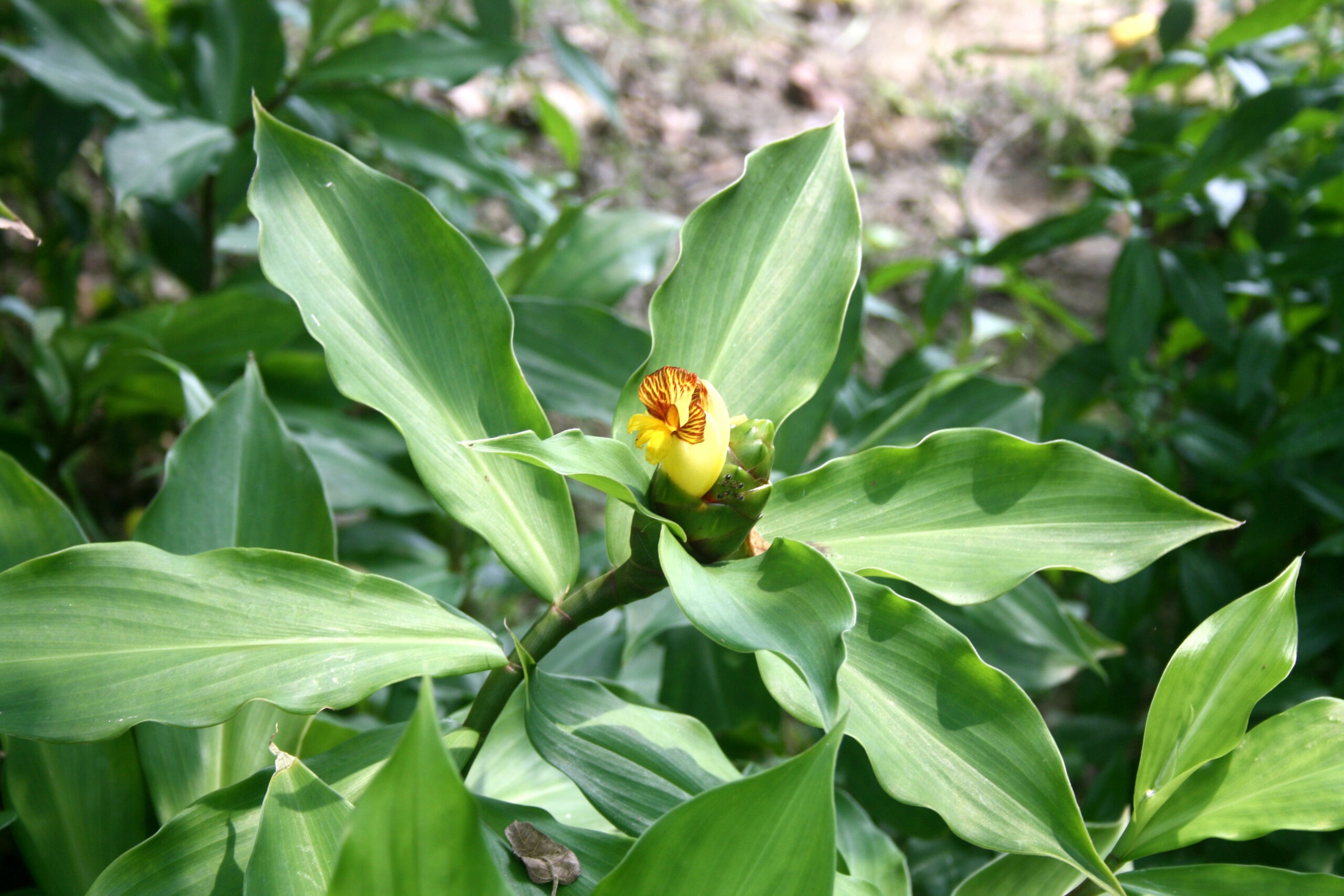
Insulin Plant (Costus igneus)

Insulin Plant (Costus igneus)

Posted on June 24, 2024June 24, 2024 By Repamp Ghana

Insulin Plant (Costus igneus) Herbal Benefits and Uses
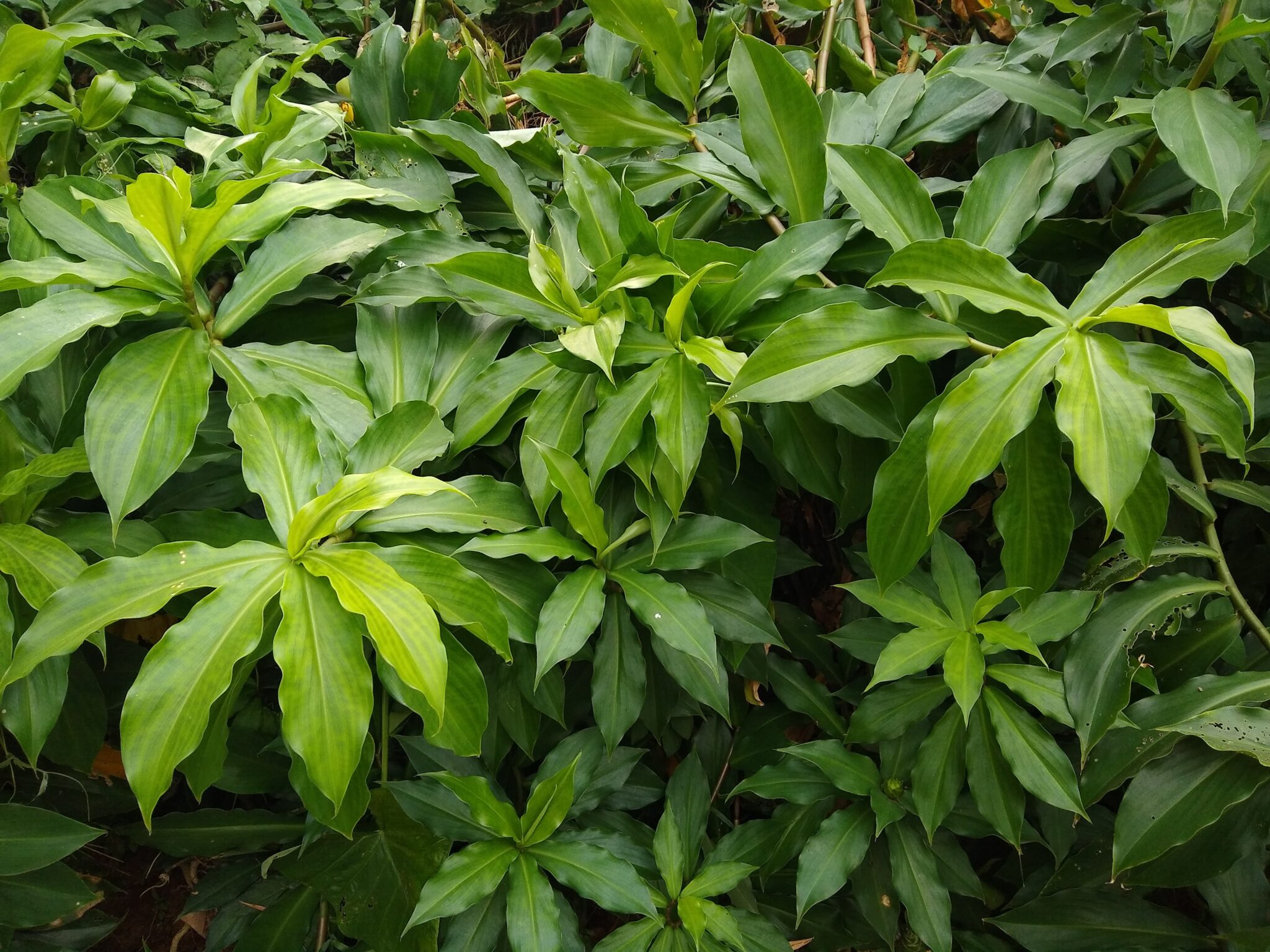
Insulin Plant (Costus Igneus) for Diabetes {Controls Blood Sugar}

Costus igneus, commonly known as insulin plant or devil’s tongue, is a tropical herb with hypoglycemic effects, it is native to Brazil and south India but today, it grows in many parts of the world. The insulin plant provides many health benefits and is known in Traditional herbal Practices.

The Health Benefits of the Insulin Plant (Costus igneus)

The Insulin Plant (Costus igneus) offers several health benefits, particularly for individuals with diabetes:

  1. Blood Sugar Regulation: The leaves of the insulin plant contain compounds that may help lower blood glucose levels. People with diabetes often chew the leaves or consume them in tablet form to manage their condition.
  2. Antioxidant Properties: Costus igneus acts as an antioxidant, supporting the immune system and protecting against bacterial infections.
  3. Diuretic Effect: It has diuretic properties, aiding in fluid balance and kidney function.

Chemical properties of the Insulin Plant (Costus igneus)

Insulin Plant (Costus igneus) contains a diverse range of phytochemical constituents, including:

  1. Carbohydrates
  2. Triterpenoids
  3. Proteins
  4. Alkaloids
  5. Tannins
  6. Saponins
  7. Flavonoids
  8. Steroids.

These compounds contribute to its potential health benefits, including its anti-diabetic properties. The Insulin Plant is rich in antioxidants, iron, and other essential components. Remember to consult your healthcare provider before incorporating it into your diabetes management plan.

How to Use The Insulin Plant

Insulin Plant (Costus igneus) Herbal Benefits and Uses
Insulin Plant (Costus igneus)

The Insulin Plant (Costus igneus) offers several health benefits, particularly for individuals with diabetes:

  1. Blood Sugar Regulation:
    • Active Compound: Polysaccharides.
    • How to Use: Chew fresh leaves directly or consume them as a supplement in tablet form.
    • Research Support: Studies suggest that extracts from the Insulin Plant may help lower blood glucose levels by enhancing insulin sensitivity and increasing glucose uptake by cells.
  2. Antioxidant Properties:
    • Active Compounds: Antioxidants (flavonoids and polyphenols).
    • How to Use: Incorporate the plant into your diet to combat oxidative stress and reduce free radical damage in the body.
  3. Anti-Inflammatory Effects:
    • Active Compounds: Flavonoids and phenolic compounds.
    • How to Use: Regular consumption may positively impact diabetes management due to its anti-inflammatory properties.
  4. Potential Weight Management:
    • Active Compounds: Fiber and bioactive compounds.
    • How to Use: Include it in your diet to promote a feeling of fullness and aid weight management.
  5. Heart Health Benefits:
    • Active Compounds: Antioxidants and flavonoids.
    • How to Use: These compounds may help improve lipid profiles, reducing the risk of heart disease in individuals with diabetes.

Remember to consult your healthcare provider before incorporating the Insulin Plant into your diabetes management plan.

Safety and Adverse Effects of Insulin Plant (Costus igneus)

Insulin Plant (Costus igneus) Herbal Benefits and Uses

The Insulin Plant (Costus igneus) has some potential benefits for individuals with diabetes, but it’s essential to be aware of safety considerations and possible side effects:

  1. Side Effects:
    • Upset Stomach: Some people may experience stomach discomfort after consuming the plant.
    • Diarrhea: Diarrhea can occur as a side effect.
    • Dizziness: Costus igneus may cause dizziness in certain individuals.
    • Low Blood Sugar Levels: Especially if you take insulin, there’s a risk of dangerously low blood sugar levels.
    • Increased Risk of Diabetes-Related Coma: Hypoglycemia (low blood sugar) can lead to a coma.
  2. Safety Precautions:
    • Always consult your healthcare provider before using Costus igneus.
    • It’s safe to use as a supplement alongside prescribed diabetes medications, but it’s not an insulin replacement.
    • Monitor your blood sugar levels closely when incorporating it into your diabetes management plan.

Remember, personalized advice from your doctor is crucial.

External links

side effects of using Insulin Plant (Costus igneus)
healthline.com

diabetestalk.net

chemical components of Insulin Plant (Costus igneus) and their importance

europepmc.org

docslib.org

plants Tags:anti-inflammatory, antioxidant, Blood Sugar Regulation, heart disease, heart diseases, weight management

Post navigation

Previous Post: Sarsaparilla (Smilax regelii)
Next Post: Sugarcane (Saccharum officinarum)

More Related Articles

scopion tail Scorpion Tail Breast Cancer Treatment plants
Ageratum conyzoides King Grass (Ageratum Conyzoides) plants
Eucalyptus plant Gum Tree (Eucalyptus) plants
Health Benefits and How to Use Them as Herbs Plantain Peels – Health Benefits and Ways to Use Info
golden melon (Cucumis melo) Golden Melon (Cucumis melo) plants
Bitter Melon,(Momordica charantia),ways to use bitter melon Momordica charantia,where to buy bitter gourd,how to treat illness and diseases with bitter melon,bitter melon for heart problem,bitter melon to treat high blood pressure Bitter melon (Momordica charantia) plants
  • How to Use Herbs
  • Varicocele (Herbal Help)
  • Tomatoes (Solanum lycopersicum)
  • Aloe vera
  • Purple cleome (Cleome rutidosperma)

Contact The Naturalist For Your Confidential Health Issues +233548383154

herbs
herbal spices_repampghana

Recent Posts

  • How to Use Herbs
  • Varicocele (Herbal Help)
  • Tomatoes (Solanum lycopersicum)
  • Aloe vera
  • Purple cleome (Cleome rutidosperma)
  • Phosphorus (Health Benefits)
  • Green Tea (Camellia sinensis)
  • Milk thistle (Silybum marianum)
  • Fibroid (Uterine fibroid)
  • Pelvic Inflammatory Disease (PID)
  • Hernia (Herbal Ways To Manage)
  • Swahili Plant (Cyphostemma adenocaule)
  • Long Pepper (Piper longum)
  • Punarnava (Boerhaavia diffusa) Plant
  • Sickle Cell Anaemia
  • Vitamin B9 (Folic Acid)
  • Pignut (Hyptis suaveolens)
  • Vitamin B6 (Pyridoxine)
  • Oysters (Health Benefits)
  • Copper (Health Benefits)

Recent Comments

    Archives

    • August 2026
    • November 2024
    • October 2024
    • September 2024
    • August 2024
    • July 2024
    • June 2024
    • May 2024
    • April 2024
    • March 2024
    • February 2024
    • January 2024
    • December 2023
    • November 2023
    • October 2023
    • July 2023
    • April 2023
    • March 2023
    • December 2022
    • September 2022
    • August 2022
    • July 2022
    • June 2022
    • November 2021
    • October 2021
    • July 2021
    • June 2021
    • May 2021
    • April 2021
    • March 2021
    • February 2021
    • January 2021
    • December 2020
    • November 2020
    • October 2020
    • September 2020
    • February 2020
    • January 2020
    • December 2019
    Zahara herbal mixture and capsules
    Zahara herbal mixture and capsules

    Recent Posts

    • How to Use Herbs
    • Varicocele (Herbal Help)
    • Tomatoes (Solanum lycopersicum)
    • Aloe vera
    • Purple cleome (Cleome rutidosperma)
    • Phosphorus (Health Benefits)
    • Green Tea (Camellia sinensis)
    • Milk thistle (Silybum marianum)
    • Fibroid (Uterine fibroid)
    • Pelvic Inflammatory Disease (PID)
    • Hernia (Herbal Ways To Manage)
    • Swahili Plant (Cyphostemma adenocaule)
    • Long Pepper (Piper longum)
    • Punarnava (Boerhaavia diffusa) Plant
    • Sickle Cell Anaemia
    • Vitamin B9 (Folic Acid)
    • Pignut (Hyptis suaveolens)
    • Vitamin B6 (Pyridoxine)
    • Oysters (Health Benefits)
    • Copper (Health Benefits)
    • Orange Leaves (Health Benefits)
    • Magnesium (Health Benefits)
    • Activated Charcoal (Health Benefits)
    • King Grass (Ageratum Conyzoides)
    • Plantain Peels – Health Benefits and Ways to Use
    • Eggs (Health Benefits and Nutritional Value)
    • Fresh Air and Its Health Importance
    • Flat-top Mille Graines (Oldenlandia corymbosa)
    • Perilla mint plant (Perilla frutescens)
    • Omega-3 Fatty Acids

    Categories


    Contact Us

    Zoom Lion Office,Zugjug Road, Tamale, Ghana.
    Box Office No. TL2155, Tamale, Northern Region, Ghana.
    WhatsApp Line: +233548383696
    Customer Care: +233548383154

    Social Media

          Email: repampgh@gmail.com
          Info@repampgh.com

          Links

          • Products
          • Common Plants
          • Health Benefit of Some Plants
          • Testimony
          • About us

          Copyright © 2026 Repamp Herbal Centre.

          Powered by PressBook Green WordPress theme