Skip to content
  • Home
  • About us
  • Products
  • plants
  • spices
  • fruits
  • Testimony
  • Videos
  • Contact us
Repamp Herbal Centre

Repamp Herbal Centre

Research and Promoters of African Medicinal Plants

  • Home
  • About us
  • Products
  • plants
  • spices
  • fruits
  • Testimony
  • Videos
  • Contact us
  • Toggle search form
Rose Sage

Rose Sage (Salvia pachyphylla)

Posted on May 17, 2024May 17, 2024 By Repamp Ghana

Rose Sage (Salvia pachyphylla) Benefits and Traditional Herbal Uses
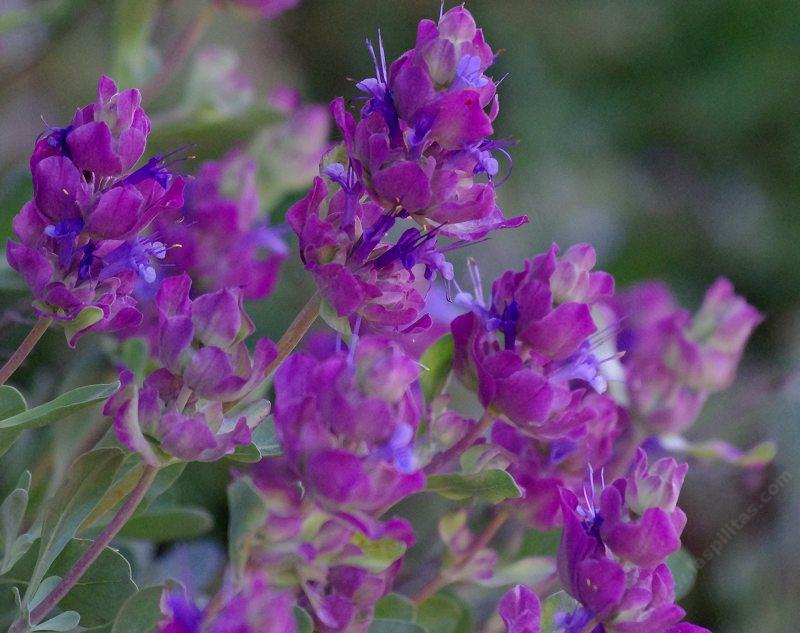
Rose Sage (Salvia pachyphylla) Benefits and Traditional Uses,Salvia pachyphylla,Rose Sage,chemincal constituent of Salvia pachyphylla,how to use the Rose Sage (Salvia pachyphylla) as herbs to treat diseases and sicknesses,Safety and side effect of Rose Sage (Salvia pachyphylla)
Rose Sage

Rose Sage (scientifically known as Salvia pachyphylla) is an extraordinarily showy evergreen shrub native to America and can be found in many parts of the world. The plant is an ancient herb that has been used in traditional herbal medicines for long.

Rose Sage produces slightly cupped, silvery grey, aromatic leaves on square stems. The intensely coloured inflorescences consist of tubular blue flowers that extend beyond the rosy pink bracts. The long stamens add further elegance to the display. It grows up to 2-3 feet tall and wide (60-90 cm). Rose Sage produces eye-catching flowers over a very long season, blooming from July to September.

Health benefits of Rose Sage (Salvia pachyphylla)

Rose Sage (Salvia pachyphylla) is not only admired for its aesthetic appeal but also for its potential health benefits, which are similar to those of other sage species. Here are some of the health benefits associated with sage:

  1. Nutrient-Rich: Sage is a good source of several nutrients, including vitamin K, iron, and vitamin B6. It also contains calcium, manganese, and small amounts of other essential nutrients.
  2. Antioxidant Properties: Sage contains over 160 distinct polyphenols, which are plant-based chemical compounds that act as antioxidants. These antioxidants help neutralize potentially harmful free radicals that are linked to chronic diseases.
  3. Oral Health: Sage has antimicrobial effects that may protect against microbes that promote dental plaque. A sage-based mouthwash was shown to effectively kill the Streptococcus mutans bacteria, which is notorious for causing dental cavities.
  4. Supports Brain Health: Compounds found in sage may have anti-inflammatory, anticancer, and neuroprotective effects. Drinking sage tea has been associated with increased blood levels of antioxidant enzymes and improved cholesterol levels.
  5. May Lower Blood Sugar: Sage may help to lower blood sugar levels, which is beneficial for people with diabetes.

While these benefits are promising, it’s important to note that most studies have been conducted on common sage (Salvia officinalis), and specific research on Rose Sage (Salvia pachyphylla) may be limited. As with any herbal remedy, it’s best to consult with a healthcare professional before incorporating it into your health regimen.

Chemincal constituent of (Salvia pachyphylla)

Salvia pachyphylla, commonly known as Rose Sage, contains a variety of chemical constituents that contribute to its potential medicinal properties. Here are some of the major secondary metabolites found in this plant:

  • Carnosol
  • Rosmanol
  • 20-deoxocarnosol
  • Carnosic acid
  • Isorosmanol
  • 7-methoxyrosmanol
  • 5,6-didehydro-O-methylsugiol
  • 8β-hydroxy-9(11),13-abietadien-12-one
  • 11,12-dioxoabieta-8,13-diene
  • 11,12-dihydroxy-20-norabieta-5(10),8,11,13-tetraen-1-one
  • Pachyphyllone

These compounds have been isolated from the aerial parts of the plant and have shown in vitro cytotoxic effects against human cancer cells. The presence of these compounds indicates that Rose Sage may have therapeutic potential, although further research is needed to fully understand its medicinal benefits and applications.

How to use the Rose Sage (Salvia pachyphylla) as a Herb for Treatments

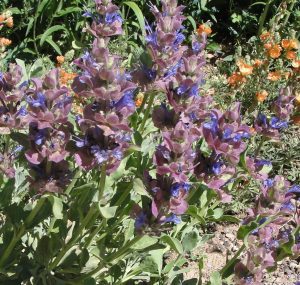
Salvia pachyphylla | High Plains Gardening

Here’s how sage is traditionally used for health purposes:

  1. Tea: A common method is to make a tea from the leaves. This can be done by steeping dried or fresh sage leaves in hot water and then straining the mixture. Sage tea is believed to have calming properties and may aid in digestion, reduce inflammation, and soothe sore throats.
  2. Essential Oil: Sage essential oil can be used in aromatherapy for its potential to enhance memory and cognitive function, as well as to relieve stress.
  3. Topical Applications: Sage can be applied topically in the form of poultices or salves to help with skin inflammation and healing.
  4. Culinary Use: Incorporating sage into your diet can also provide health benefits due to its rich antioxidant content.

It’s important to note that while sage is used in traditional medicine, specific research on the medicinal use of Salvia pachyphylla is limited. Therefore, it’s crucial to consult with a healthcare professional before using it or any other herb for medicinal purposes, especially if you have existing health conditions or are taking other medications. Additionally, the safety and efficacy of herbal treatments can vary, and they should be used with caution.

Safety and side effect of Rose Sage (Salvia pachyphylla)

The safety and side effects of Salvia pachyphylla, commonly known as Rose Sage, are not extensively documented in scientific literature. However, it’s important to note that while many species of sage are used for culinary and medicinal purposes, each species can have different properties and potential effects.

For Salvia pachyphylla specifically, here’s what we know:

  • General Safety: It is generally considered safe when used in amounts commonly found in foods. As an ornamental plant, it is not typically associated with adverse effects when handled or grown in a garden setting.
  • Potential Side Effects: There is limited information on the side effects of Rose Sage. However, considering the general precautions with herbal remedies, potential side effects could include allergic reactions or interactions with medications if consumed.

It’s also worth mentioning that another species of Salvia, Salvia divinorum, is known for its psychoactive properties and is not considered safe due to its hallucinogenic effects. This does not apply to Salvia pachyphylla, which is not known to have such properties.

As with any plant or herbal remedy, it’s best to consult with a healthcare professional before using Salvia pachyphylla for medicinal purposes, especially if you have existing health conditions or are taking other medications. Additionally, always ensure that any use of herbs is done responsibly and under professional guidance

External links

safety and side effect of Rose Sage (Salvia pachyphylla)
gardenia.net

healthline.com

medicalnewstoday.com

bing.com

chemincal constituent of Salvia pachyphylla
en.wikipedia.org
preprints.org
mdpi.com
how to use the Rose Sage (Salvia pachyphylla) as herbs to treat diseases and sicknesses
gardenia.net
selinawamucii.com
plants Tags:antioxidant, Antioxidant Properties, Lower Blood Sugar, Rose Sage, Supports Brain Health, tea

Post navigation

Previous Post: Ramgoat Dashalong (Turnera ulmifolia)
Next Post: Chasteberry (Vitex agnus-castus)

More Related Articles

Long pepper Long Pepper (Piper longum) plants
avocado Avocado (Persea americana) fruits
breadfruit Breadfruit Plant (Artocarpus altilis) plants
Coriander (Coriandrum sativum) Coriander (Coriandrum sativum) plants
locust beans Locust Beans (Parkia biglobosa) plants
Nutmeg (Myristica fragrans) Nutmeg (Myristica fragrans) plants
  • Varicocele (Herbal Treatment)
  • Tomatoes (Solanum lycopersicum)
  • Aloe vera
  • Purple cleome (Cleome rutidosperma)
  • Phosphorus (Health Benefits)

Contact The Naturalist For Your Confidential Health Issues +233548383154

herbs
herbal spices_repampghana

Recent Posts

  • Varicocele (Herbal Treatment)
  • Tomatoes (Solanum lycopersicum)
  • Aloe vera
  • Purple cleome (Cleome rutidosperma)
  • Phosphorus (Health Benefits)
  • Green Tea (Camellia sinensis)
  • Milk thistle (Silybum marianum)
  • Fibroid (Uterine fibroid)
  • Pelvic Inflammatory Disease (PID)
  • Hernia (Herbal Ways To Manage)
  • Swahili Plant (Cyphostemma adenocaule)
  • Long Pepper (Piper longum)
  • Punarnava (Boerhaavia diffusa) Plant
  • Sickle Cell Anaemia
  • Vitamin B9 (Folic Acid)
  • Pignut (Hyptis suaveolens)
  • Vitamin B6 (Pyridoxine)
  • Oysters (Health Benefits)
  • Copper (Health Benefits)
  • Orange Leaves (Health Benefits)

Recent Comments

    Archives

    • November 2024
    • October 2024
    • September 2024
    • August 2024
    • July 2024
    • June 2024
    • May 2024
    • April 2024
    • March 2024
    • February 2024
    • January 2024
    • December 2023
    • November 2023
    • October 2023
    • July 2023
    • April 2023
    • March 2023
    • December 2022
    • September 2022
    • August 2022
    • July 2022
    • June 2022
    • November 2021
    • October 2021
    • July 2021
    • June 2021
    • May 2021
    • April 2021
    • March 2021
    • February 2021
    • January 2021
    • December 2020
    • November 2020
    • October 2020
    • September 2020
    • February 2020
    • January 2020
    • December 2019
    Zahara herbal mixture and capsules
    Zahara herbal mixture and capsules

    Recent Posts

    • Varicocele (Herbal Treatment)
    • Tomatoes (Solanum lycopersicum)
    • Aloe vera
    • Purple cleome (Cleome rutidosperma)
    • Phosphorus (Health Benefits)
    • Green Tea (Camellia sinensis)
    • Milk thistle (Silybum marianum)
    • Fibroid (Uterine fibroid)
    • Pelvic Inflammatory Disease (PID)
    • Hernia (Herbal Ways To Manage)
    • Swahili Plant (Cyphostemma adenocaule)
    • Long Pepper (Piper longum)
    • Punarnava (Boerhaavia diffusa) Plant
    • Sickle Cell Anaemia
    • Vitamin B9 (Folic Acid)
    • Pignut (Hyptis suaveolens)
    • Vitamin B6 (Pyridoxine)
    • Oysters (Health Benefits)
    • Copper (Health Benefits)
    • Orange Leaves (Health Benefits)
    • Magnesium (Health Benefits)
    • Activated Charcoal (Health Benefits)
    • King Grass (Ageratum Conyzoides)
    • Plantain Peels – Health Benefits and Ways to Use
    • Eggs (Health Benefits and Nutritional Value)
    • Fresh Air and Its Health Importance
    • Flat-top Mille Graines (Oldenlandia corymbosa)
    • Perilla mint plant (Perilla frutescens)
    • Omega-3 Fatty Acids
    • Banana Stem – Health Benefits

    Categories


    Contact Us

    Zoom Lion Office,Zugjug Road, Tamale, Ghana.
    Box Office No. TL2155, Tamale, Northern Region, Ghana.
    WhatsApp Line: +233548383696
    Customer Care: +233548383154

    Social Media

          Email: repampgh@gmail.com
          Info@repampgh.com

          Links

          • Products
          • Common Plants
          • Health Benefit of Some Plants
          • Testimony
          • About us

          Copyright © 2026 Repamp Herbal Centre.

          Powered by PressBook Green WordPress theme