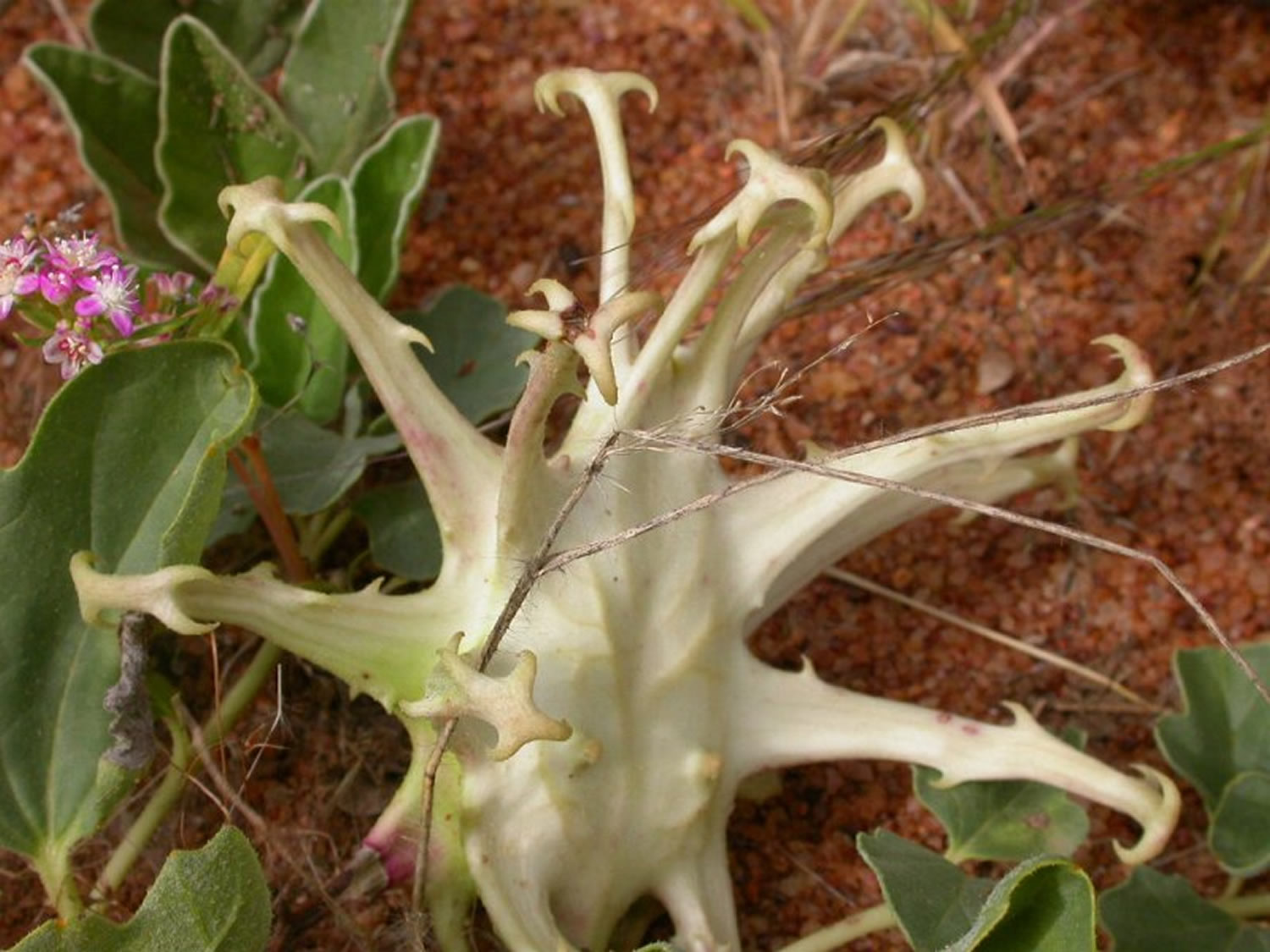
Facts About the Devil’s Claw Plant (Harpagophytum procumbens)
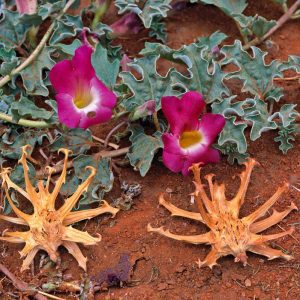
Devil’s claw (Harpagophytum procumbens) is a plant native to the Kalahari desert in southern Africa, devil’s claw is a genus of plants in the sesame family, The roots of this plant have been traditionally used to treat a wide range of ailments, such as fever, pain, arthritis, and indigestion.
Health Benefits of Devil Claw Plant
Devil’s Claw, scientifically known as Harpagophytum procumbens, is a plant native to South Africa renowned for its potential health benefits. Here are some key points regarding its properties and uses:
- Anti-inflammatory: Devil’s Claw contains compounds called iridoid glycosides, particularly harpagoside, which have shown anti-inflammatory effects.
- Pain Relief: It’s often used as a natural alternative for treating arthritis, back pain, and other types of pain.
- Digestive Aid: The plant has been traditionally used to help with digestive issues.
- Weight Loss: Some studies suggest that Devil’s Claw may support weight loss efforts.
- Antioxidant Effects: There is evidence to suggest that it may help ward off the cell-damaging effects of free radicals.
However, it’s important to note that while Devil’s Claw may offer these health benefits, it can also interact with certain medications and may worsen health conditions like heart disorders or diabetes
Chemical properties of Devil’s Claw plant
Harpagophytum procumbens, contains a variety of active chemical compounds that contribute to its medicinal properties. Here’s a summary of its key chemical constituents:
- Iridoid Glycosides: These are the primary active components, with harpagoside, harpagide, and procumbide being the most significant. They are mainly responsible for the plant’s anti-inflammatory effects.
- Sugars: The plant contains sugars like stachyose, a tetrasaccharide.
- Triterpenoids: Compounds such as oleanolic and ursolic acid are present in Devil’s Claw.
- Phytosterols: β-sitosterol is the primary phytosterol found in the plant.
- Aromatic Acids: These include caffeic, cinnamic, and chlorogenic acids, which have various health effects.
- Flavonoids: Flavonoids like luteolin and kaempferol are also found in Devil’s Claw and contribute to its antioxidant properties.
These compounds work together to provide the plant’s therapeutic effects, such as reducing inflammation and pain relief. However, it’s important to consult with a healthcare professional before using Devil’s Claw, especially if you’re on medication or have a health condition.
How to Use the Devil’s Claws Plants to Treat Various Illnesses
Harpagophytum procumbens, has been traditionally used to treat a variety of ailments due to its anti-inflammatory and analgesic properties. Here’s how it can be used for different health issues:
- Arthritis and Joint Pain: Devil’s Claw can be taken in the form of capsules, tablets, or tea to help reduce inflammation and pain associated with arthritis.
- Back Pain: Supplements containing Devil’s Claw extract may provide relief from lower back pain. It’s advisable to follow the dosage recommended on the product label or by a healthcare provider.
- Digestive Problems: The herb has been used to aid digestion and can be consumed as a tea or in supplement form to help with stomach upsets.
- Skin Conditions: Topically, ointments or gels containing Devil’s Claw extract can be applied to the skin to heal sores, ulcers, boils, and skin lesions.
It’s important to note that while Devil’s Claw can be beneficial, it should be used with caution. Always consult with a healthcare professional before using herbal remedies, especially if you have existing health conditions or are taking other medications, as Devil’s Claw can interact with certain drugs and exacerbate certain conditions. The correct dosage and method of use will depend on the individual’s specific circumstances and health needs.
Safety and Side Effects of the Devil’s Claw Plant
Devil’s Claw, or Harpagophytum procumbens, is generally considered safe for most adults when taken by mouth in appropriate doses for up to a year. However, like any herbal supplement, it can have side effects and certain precautions should be taken:
Common Side Effects:
- Diarrhea
- Indigestion
- Allergic skin reactions (when applied topically)
Special Precautions and Warnings:
- Pregnancy: Devil’s Claw is possibly unsafe during pregnancy as it might harm the developing fetus.
- Breastfeeding: There isn’t enough reliable information to know if Devil’s Claw is safe during breastfeeding.
- Heart and Circulation Problems: It may affect heart rate, heartbeat, and blood pressure, potentially harming individuals with heart and circulation disorders.
- Gallstones: Since Devil’s Claw might increase bile production, it could be problematic for people with gallstones.
Interactions with Medications:
Devil’s Claw may interact with certain medications, so it’s important to consult with a healthcare provider before starting to use it, especially if you are on medication for heart disease, diabetes, or any other condition.
Remember, while herbal supplements can be beneficial, they should be used responsibly and ideally under the guidance of a healthcare professional to avoid potential risks and interactions. Always consult with a healthcare provider before using new supplements.