Moringa (Moringa oleifera) Benefits and Herbal Uses.
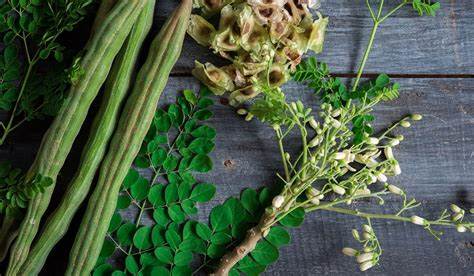
Moringa oleifera is a fast-growing, drought-resistant tree of the family Moringaceae, native to Africa and Asia. It is also known as the drumstick tree, the miracle tree, the ben oil tree, Zogaleh or the horseradish tree. Moringa has high healing properties that make it an important plant in both traditional and pharmaceutical medicines to earn the name “Wonder Tree”.
The Health Benefits of Moringa Plant
Moringa, scientifically known as Moringa oleifera, is a highly valued plant with numerous health benefits. Here are some of the key benefits:
- Nutrient-Rich: Moringa leaves are packed with vitamins A, B (thiamine, riboflavin, niacin), C, and minerals like calcium, potassium, iron, and magnesium.
- Antioxidant Properties: It contains antioxidants like quercetin and chlorogenic acid, which can help lower blood pressure and moderate blood sugar levels after meals.
- Anti-Inflammatory: Moringa has anti-inflammatory effects that may help treat conditions like edema.
- Liver Protection: It might protect the liver against damage and enhance its repair mechanisms.
- Skin and Hair: Moringa seed oil is beneficial for skin and hair, promoting healing and nourishment.
- Cancer Prevention: Some compounds in Moringa, like niazimicin, may help prevent the development of cancer cell.
- Digestive Health: It can aid in treating stomach disorders and may have a protective effect against peptic ulcers due to its antibiotic properties.
- Diabetes Management: Moringa may help manage diabetes by reducing blood glucose levels.
- Heart Health: The plant’s compounds may contribute to heart health by preventing the formation of plaques in the arteries and lowering cholesterol levels.
- Immune Boosting: Moringa can enhance the immune system’s response
The chemical properties of moringa
miracle tree, is rich in a variety of chemical compounds that contribute to its health benefits. Here are some of the key chemical properties:
- Vitamins: Moringa contains vitamins A, B1 (thiamine), B2 (riboflavin), B3 (niacin), and C (ascorbic acid).
- Minerals: It is a good source of essential minerals like calcium, potassium, iron, magnesium, and phosphorus.
- Amino Acids: Moringa leaves contain all of the essential amino acids necessary for human protein synthesis.
- Fatty Acids: The seeds are high in oleic acid, a beneficial monounsaturated fat.
- Phytochemicals: It has a range of phytochemicals including flavonoids like quercetin, chlorogenic acid, and various phenolic acids.
- Antioxidants: Moringa has antioxidants that combat oxidative stress, which can lead to chronic diseases.
- Anti-inflammatory Compounds: It contains isothiocyanates, which are known for their anti-inflammatory properties
Ways to use moringa as a herbal medicine
Moringa oleifera can be used in various forms as a herbal medicine to harness its health benefits. Here are some common ways to use Moringa:
- Leaves: Fresh or dried leaves can be consumed directly, added to salads, or used to make tea. They can also be ground into powder and added to smoothies or sprinkled on food.
- Seeds: Moringa seeds can be eaten like nuts or added to dishes. They are also pressed to extract Moringa oil, which is used for cooking and topical applications.
- Oil: Moringa seed oil is applied topically for skin and hair care, and it’s also used for its anti-inflammatory and antiseptic properties.
- Powder: Moringa leaf powder is a versatile supplement that can be mixed into drinks, used in baking, or taken in capsule form.
- Roots: The roots of the Moringa tree are sometimes used in traditional medicine, but they should be used with caution as they contain certain compounds that can be harmful in large doses.
- Flowers: Moringa flowers are edible and can be brewed into a tea, which is believed to have a mild diuretic effect.
It’s important to note that while Moringa is generally safe, it’s best to consult with a healthcare professional before using it, especially if you are pregnant, nursing, or have any health conditions. The dosage and method of use should be appropriate for your individual health needs.
Are there any potential side effects of using Moringa as a herbal medicine?

While Moringa oleifera is generally considered safe and beneficial for health, there are some potential side effects to be aware of, especially when consumed in large quantities or without proper guidance:
- Digestive Issues: Some people may experience diarrhea, nausea, and vomiting.
- Hypoglycemia: For those with diabetes, it’s important to monitor blood sugar levels as Moringa may lower glucose levels, potentially leading to hypoglycemia.
- Insomnia: In some cases, Moringa might cause sleep disturbances.
- Acidity and Flatulence: Some individuals might experience acidity or flatulence after consuming Moringa.
- Allergic Reactions: There’s a possibility of allergic reactions like urticaria (hives) in sensitive individuals.
It’s important to start with small doses to see how your body reacts and consult with a healthcare professional before using Moringa, particularly if you have existing health conditions or are taking other medications. This will help ensure that you can enjoy the benefits of Moringa without adverse effects.
What is the recommended dosage of Moringa for different health conditions?
The recommended dosage of Moringa oleifera can vary depending on several factors such as age, body weight, health status, and the form in which it’s consumed. Here are some general guidelines:
- Adults: For most healthy adults, a daily dosage of 1 to 2 teaspoons (approximately 5 to 10 grams) of Moringa powder is considered safe and effective.
- Children: Children can consume Moringa in smaller amounts. It’s advisable to consult a paediatrician for age-appropriate dosing.
- Pregnant or Breastfeeding Women: They should consult their doctor before adding Moringa to their diet.
It’s important to note that while Moringa is generally safe, excessive consumption may lead to digestive issues. Therefore, it’s best to stick to the recommended dosage and consult with a healthcare professional before starting any new supplement, especially if you have specific health concerns or conditions.
For specific health conditions, the dosage might need to be adjusted, and it’s crucial to seek guidance from a healthcare provider to determine the appropriate amount for your individual needs.