Skip to content
  • Home
  • About us
  • Products
  • plants
  • spices
  • fruits
  • Testimony
  • Videos
  • Contact us
Repamp Herbal Centre

Repamp Herbal Centre

Research and Promoters of African Medicinal Plants

  • Home
  • About us
  • Products
  • plants
  • spices
  • fruits
  • Testimony
  • Videos
  • Contact us
  • Toggle search form
Tribulus-Terrestris

Tribulus Terrestris Plant

Posted on January 19, 2024January 22, 2024 By Repamp Ghana

Tribulus Terrestris Plant (Herbal Uses and Health Benefits )

Tribulus Terrestris
Tribulus Terrestris

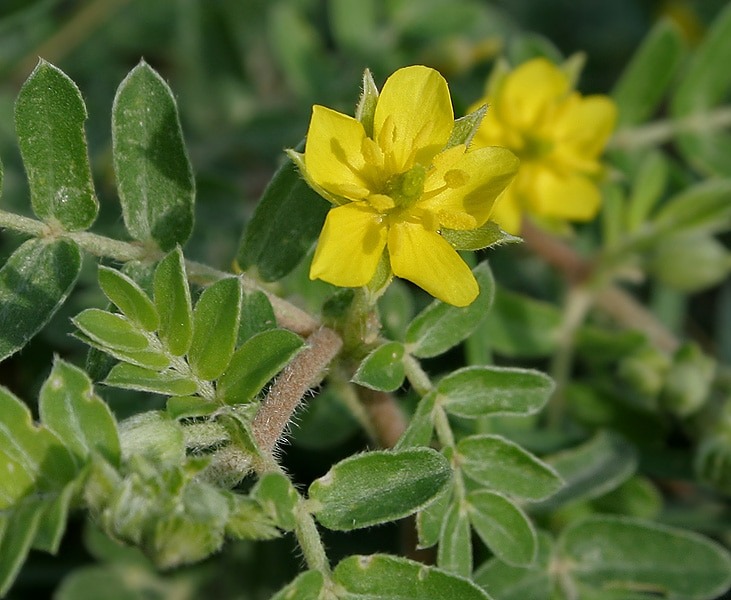
Tribulus is a genus of plants in the family Zygophyllaceae that grows in diverse climates and soils worldwide. The most well-known species is Tribulus terrestris, also called puncture vine, goat’s head, or caltrop. It is a small, creeping plant with yellow flowers and spiny fruits that can cause injury to humans and animals. It is also used as a traditional medicine for various health conditions, such as sexual dysfunction, diabetes, and inflammation,

Medicinal Uses of Tribulus Terrestris

Tribulus terrestris is a plant that has been used for various medicinal purposes in traditional Chinese and Indian systems of medicine. Some of the reported benefits of Tribulus Terrestris include:

  • Improving sexual function and libido in both men and women
  • Enhancing athletic performance and muscle strength
  • Lowering blood sugar and cholesterol levels in people with type 2 diabetes
  • Reducing inflammation and pain in conditions such as arthritis, gout, and kidney stones
  • Supporting heart health and blood circulation

Chemical Properties of Tribulus Terrestris

Tribulus Terrestris is a medicinal plant used for various purposes in traditional medicine.

Some of its chemical properties are:

  • Steroidal saponins: These are the main bioactive compounds in Tribulus Terrestris, and they are responsible for most of their pharmacological effects, such as enhancing sexual function, improving muscle strength, and modulating hormone levels.
  • Flavonoids: These are antioxidants that have anti-inflammatory, anti-diabetic, anti-cancer, and neuroprotective properties. Tribulus terrestris contains flavonoids such as kaempferol, quercetin, rutin, and apigenin.
  • Glycosides: These compounds have a sugar molecule attached to another molecule, usually a steroid or a phenol. Tribulus Terrestris contains glycosides such as tribulosin, protodioscin, and dioscin.
  • Phytosterols: These are plant-derived steroids that have cholesterol-lowering, anti-inflammatory, and anti-cancer effects. Tribulus Terrestris contains phytosterols such as beta-sitosterol, stigmasterol, and campesterol.
  • Tannins: These are polyphenolic compounds that have astringent, antimicrobial, and antioxidant properties. Tribulus terrestris contains tannins such as catechin, epicatechin, and gallic acid.
  • Terpenoids: These are organic compounds that have diverse structures and functions, such as aroma, flavour, and biological activity. Tribulus terrestris contains terpenoids such as furostanol, spirostanol, and pregnane.
  • Amide derivatives: These are compounds that have an amide group (-CONH2) attached to another molecule, usually an alkaloid or a fatty acid. Tribulus Terrestris contains amide derivatives such as harman, harmine, and N-trans-feruloyl tyramine

How to Use the Plant as Herb

Tribulus-Terrestris
Tribulus-Terrestris

There are different ways to use Tribulus terrestris as a herb, depending on the form and dosage of the product. Some common methods are:

  • Tea: You can make tea by adding up to 1 teaspoon of the powdered tribulus to a cup of hot water and stirring well. You can consume the tea in the morning and early in the evening.
  • Capsules: You can take Tribulus capsules as directed by the product label or your health care provider. The recommended adult dose of Tribulus is an extract equivalent to 100 mg of steroidal saponins taken three times a day.
  • Tincture: You can take Tribulus tincture as directed by the product label or your health care provider. A typical dose is 1–2 ml of the liquid extract three times a day.

Please note that these are general guidelines and may vary depending on the quality and concentration of the product. You should always follow the instructions on the package and consult your doctor before using any herbal supplement.

Side Effects of  the Tribulus Plant

Tribulus is a plant that has been used for various medicinal purposes, but the scientific evidence for its benefits and safety is limited and inconsistent. Some possible side effects of taking Tribulus as a supplement are:

  • Trouble sleeping, upset stomach, and irregular periods
  • Interactions with medications for diabetes, high blood pressure, and blood clotting
  • Risks for pregnant and breastfeeding women, and men with prostate cancer
  • Damage to the heart, liver, and kidneys in animals

Therefore, you should consult your doctor before taking Tribulus, especially if you have any medical conditions or are taking any medications.


Learn more
1webmd.com
2webmd.com
3 therealrealreviews.com
4wellbeing.com.au
5 journals.sagepub.com
6 researchgate.net
plants Tags:arthritis, blood sugar, diabetes, heart health, kidney stones, sexual function, Tribulus Terrestris

Post navigation

Previous Post: Sage Plant (Salvia officinalis)
Next Post: Cucumber (Cucumis sativus)

More Related Articles

stone breaker plant  Stone Breaker Plant (Phyllanthus niruri) plants
Rose Sage Rose Sage (Salvia pachyphylla) plants
Long pepper Long Pepper (Piper longum) plants
bitter l;eaf Bitter leaves (Vernonia amygdalina) plants
king grass King grass (goat weed) plants
Swahili Plant (Cyphostemma adenocaule),Health benefits of Swahili Plant (Cyphostemma adenocaule),Safety and side effects of Swahili Plant (Cyphostemma adenocaule),how to use Swahili Plant (Cyphostemma adenocaule),chemical compostion of Swahili Plant (Cyphostemma adenocaule),Studies on the use of Swahili Plant (Cyphostemma adenocaule),treating diabetes with Swahili Plant (Cyphostemma adenocaule),Handling respiratory problem with Swahili Plant (Cyphostemma adenocaule),microbial activities of Swahili Plant (Cyphostemma adenocaule) Swahili Plant (Cyphostemma adenocaule) plants
  • Varicocele (Herbal Treatment)
  • Tomatoes (Solanum lycopersicum)
  • Aloe vera
  • Purple cleome (Cleome rutidosperma)
  • Phosphorus (Health Benefits)

Contact The Naturalist For Your Confidential Health Issues +233548383154

herbs
herbal spices_repampghana

Recent Posts

  • Varicocele (Herbal Treatment)
  • Tomatoes (Solanum lycopersicum)
  • Aloe vera
  • Purple cleome (Cleome rutidosperma)
  • Phosphorus (Health Benefits)
  • Green Tea (Camellia sinensis)
  • Milk thistle (Silybum marianum)
  • Fibroid (Uterine fibroid)
  • Pelvic Inflammatory Disease (PID)
  • Hernia (Herbal Ways To Manage)
  • Swahili Plant (Cyphostemma adenocaule)
  • Long Pepper (Piper longum)
  • Punarnava (Boerhaavia diffusa) Plant
  • Sickle Cell Anaemia
  • Vitamin B9 (Folic Acid)
  • Pignut (Hyptis suaveolens)
  • Vitamin B6 (Pyridoxine)
  • Oysters (Health Benefits)
  • Copper (Health Benefits)
  • Orange Leaves (Health Benefits)

Recent Comments

    Archives

    • November 2024
    • October 2024
    • September 2024
    • August 2024
    • July 2024
    • June 2024
    • May 2024
    • April 2024
    • March 2024
    • February 2024
    • January 2024
    • December 2023
    • November 2023
    • October 2023
    • July 2023
    • April 2023
    • March 2023
    • December 2022
    • September 2022
    • August 2022
    • July 2022
    • June 2022
    • November 2021
    • October 2021
    • July 2021
    • June 2021
    • May 2021
    • April 2021
    • March 2021
    • February 2021
    • January 2021
    • December 2020
    • November 2020
    • October 2020
    • September 2020
    • February 2020
    • January 2020
    • December 2019
    Zahara herbal mixture and capsules
    Zahara herbal mixture and capsules

    Recent Posts

    • Varicocele (Herbal Treatment)
    • Tomatoes (Solanum lycopersicum)
    • Aloe vera
    • Purple cleome (Cleome rutidosperma)
    • Phosphorus (Health Benefits)
    • Green Tea (Camellia sinensis)
    • Milk thistle (Silybum marianum)
    • Fibroid (Uterine fibroid)
    • Pelvic Inflammatory Disease (PID)
    • Hernia (Herbal Ways To Manage)
    • Swahili Plant (Cyphostemma adenocaule)
    • Long Pepper (Piper longum)
    • Punarnava (Boerhaavia diffusa) Plant
    • Sickle Cell Anaemia
    • Vitamin B9 (Folic Acid)
    • Pignut (Hyptis suaveolens)
    • Vitamin B6 (Pyridoxine)
    • Oysters (Health Benefits)
    • Copper (Health Benefits)
    • Orange Leaves (Health Benefits)
    • Magnesium (Health Benefits)
    • Activated Charcoal (Health Benefits)
    • King Grass (Ageratum Conyzoides)
    • Plantain Peels – Health Benefits and Ways to Use
    • Eggs (Health Benefits and Nutritional Value)
    • Fresh Air and Its Health Importance
    • Flat-top Mille Graines (Oldenlandia corymbosa)
    • Perilla mint plant (Perilla frutescens)
    • Omega-3 Fatty Acids
    • Banana Stem – Health Benefits

    Categories


    Contact Us

    Zoom Lion Office,Zugjug Road, Tamale, Ghana.
    Box Office No. TL2155, Tamale, Northern Region, Ghana.
    WhatsApp Line: +233548383696
    Customer Care: +233548383154

    Social Media

          Email: repampgh@gmail.com
          Info@repampgh.com

          Links

          • Products
          • Common Plants
          • Health Benefit of Some Plants
          • Testimony
          • About us

          Copyright © 2026 Repamp Herbal Centre.

          Powered by PressBook Green WordPress theme