Dill (Anethum graveolens) Health Benefits and Herbal Uses
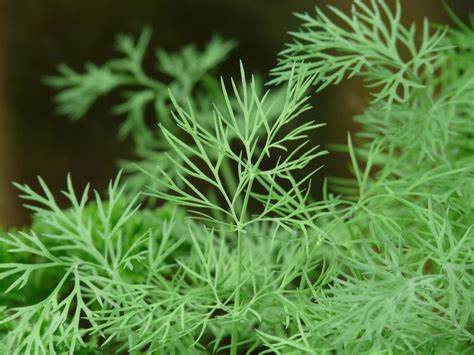
Dill Plant – repampgh.com
Dill, scientifically known as Anethum graveolens, is an annual herb in the celery family Apiaceae. It’s native to North Africa, Iran, and the Arabian Peninsula. Dill has a long history and was even found in the tomb of Egyptian Pharaoh Amenhotep II, dating back to around 1400 BC. It’s a versatile herb used in various cuisines, especially in pickling and seasoning a variety of dishes.
Health Benefits of Dill (Anethum graveolens)
Dill (Anethum graveolens) is an herb that has been used for culinary and medicinal purposes for hundreds of years. Apart from giving a strong, tangy, appetizing flavour, it possesses several medicinal properties. Let’s explore some of the potential health benefits of dill:
Aiding Digestion: Dill contains compounds like monoterpenes, which are thought to help aid digestion and reduce excess gas. It can soothe an upset stomach and promote healthy digestion.
Insomnia Relief: The essential oils found in dill may have sedative and hypnotic properties. These oils can help soothe and promote better sleep, making it beneficial for those struggling with insomnia.
Menstrual Disorders: Dill has been traditionally used to soothe menstrual discomfort. Its compounds may help regulate hormonal balance and ease symptoms associated with menstruation.
Immune System Boost: Dill’s anti-inflammatory properties can help boost the immune system. It contains vitamins and minerals like vitamin C, which support immune function.
Anti-Inflammatory Effects: The compounds in dill can help protect against arthritis and other inflammatory diseases.
Rich in Antioxidants: Dill is rich in antioxidants, including flavonoids like vicenin and kaempferol. These antioxidants help protect cells from damage caused by free radicals.
Heart Health: Dill’s vitamin C content and antioxidant properties contribute to heart health by reducing oxidative stress and inflammation.
Cancer Protection: Antioxidants in dill may play a role in protecting against certain cancers.
Remember to incorporate dill into your meals to enjoy its flavour and potential health benefits!
The Chemical Properties of Dill (Anethum graveolens)
Dill (Anethum graveolens) Plant – Repamp Ghana
The chemical properties of Anethum graveolens, commonly known as dill, are characterized by a variety of compounds that contribute to its medicinal uses and aromatic qualities. Here are some of the key chemical constituents found in dill:
Essential Oils: Dill contains essential oils that are rich in monoterpenes such as carvone, which is the most abundant compound, especially in the seeds. It gives dill its characteristic aroma.
Fatty Oil: Apart from essential oils, dill also contains fatty oil which contributes to its nutritional profile.
Moisture: The moisture content in dill is about 8.39%.
Proteins: Dill has a protein content of approximately 15.68%.
Carbohydrates: It contains around 36% carbohydrates, providing energy.
Fibre: The fibre content in dill is 14.80%, which is beneficial for digestive health.
Ash: The ash content, which is a measure of the total mineral content, is about 9.8%.
Mineral Elements: Dill is a good source of minerals such as calcium, potassium, magnesium, phosphorous, and sodium. It also contains vitamin A and niacin.
These components contribute to dill’s antimicrobial, antioxidant, analgesic, and various other pharmacological effects. The essential oils and extracts of dill have shown activity against a wide range of microorganisms, indicating its potential as a natural preservative and medicinal herb
Some steps on how to use dill (Anethum graveolens) as an herb for treating illnesses
Dill (Anethum graveolens) Plant – Repamp Ghana
Digestive Issues:
Tea: Steep 1-2 teaspoons of dried dill leaves or seeds in hot water for 5-10 minutes. Strain and drink to help with indigestion or stomach cramps.
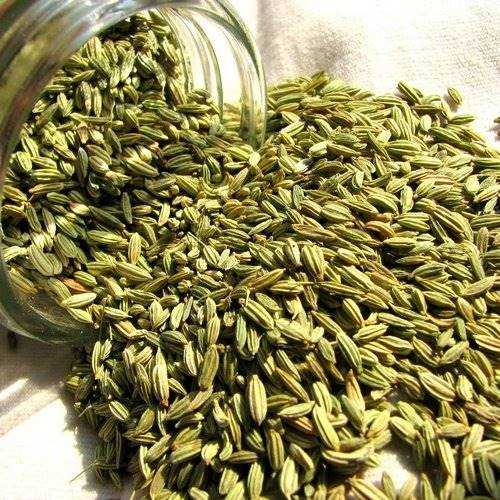
Chewing Seeds: Chew dill seeds after meals to aid digestion.
Insomnia:
Dill Oil: Use dill essential oil in a diffuser before bedtime to promote relaxation and sleep.
Dill Tea: Drink dill tea before going to bed to utilize its sedative properties.
Menstrual Cramps:
Warm Infusion: Soak a cloth in warm dill tea and place it on the abdomen to help relieve menstrual cramps.
Immune Support:
Dill Water: Boil dill seeds in water, let it cool, and drink throughout the day to boost the immune system.
Inflammation:
Topical Application: Apply dill oil mixed with carrier oil to inflamed areas to reduce swelling.
Respiratory Ailments:
Inhalation: Inhale steam infused with dill oil to clear nasal passages and ease breathing.
Oral Health:
Mouthwash: Gargle with dill tea to freshen your breath and promote oral hygiene.
Remember, while dill can be beneficial for health, it’s important to consult with a healthcare provider before using it as a treatment, especially if you have any underlying health conditions or are taking medications. Dill should complement, not replace, conventional medical treatments.
The Side Effects of Dill
Dill (Anethum graveolens) is generally considered safe for consumption, but like any herb or supplement, it may have some side effects. Here’s what you need to know:
Allergic Reactions:
While rare, some individuals may be allergic to dill. If you experience any signs of an allergic reaction (such as itching, rash, or swelling), discontinue use and seek medical attention.
Gastrointestinal Upset:
Dill oil may cause gastrointestinal discomfort, including nausea, vomiting, diarrhoea, or constipation in some cases.
Photosensitivity:
Dill oil contains compounds that can increase sensitivity to sunlight or cause photosensitive reactions in certain individuals. Be cautious if you’re spending time in the sun after using dill oil.
Remember that these side effects are relatively uncommon, and most people can enjoy dill without any adverse effects. As always, consult with a healthcare professional before using dill as a treatment, especially if you have any underlying health conditions or are taking medications.