
Amazing Health Benefits of Rooibos plant (Aspalathus linearis)
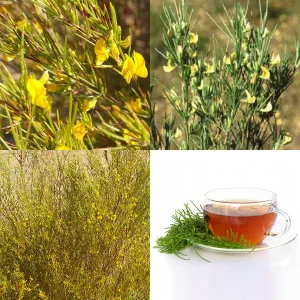
The Rooibos plant, scientifically known as Aspalathus linearis, is a broom-like member of the Fabaceae family that grows in South Africa’s fynbos biome. The leaves of this plant are used to make a herbal tea called rooibos, which is popular in Southern Africa and has gained international popularity for its earthy flavour
Grown in the Cederberg region of the Western Cape province in South Africa, the leaves undergo oxidation to produce the distinctive reddish-brown colour and enhance the flavour
According to an article titled “Potential Benefits of Antiviral African Medicinal Plants in the Management of Viral Infections: Systematic Review” from the National Library of Medicines Potential Benefits of Antiviral African Medicinal Plants in the Management of Viral Infections: Systematic Review – PMC (nih.gov) The Aspalathus linearis plant stands to be Active against HIV with (EC50 = 38.9 μg/ml), using Alkaline water as extracting solvent.
Health benefits of the Rooibos plant

- Antioxidant-Rich: Rooibos is packed with antioxidants like aspalathin and quercetin, which help protect cells from oxidative stress and may reduce the risk of chronic diseases.
- Heart Health: The antioxidants in Rooibos can promote heart health by potentially lowering blood pressure and improving cholesterol levels.
- Diabetes Management: Aspalathin, in particular, is known for its potential to balance blood sugar and improve insulin resistance, making it beneficial for people with diabetes.
- Weight Management: Rooibos may support weight loss efforts due to its impact on fat metabolism and its low-calorie content.
- Digestive Health: It has been traditionally used to soothe digestive problems and may help with issues like diarrhoea and abdominal pain.
- Bone Health: The trace minerals in Rooibos, such as calcium and fluoride, are important for maintaining strong bones and teeth.
- Skin Health: Some studies suggest that Rooibos can improve skin health, thanks to its anti-inflammatory and antimicrobial properties.
- Caffeine-Free: Being naturally free of caffeine, Rooibos is an excellent alternative for those looking to reduce their caffeine intake.
- Low in Tannins: Unlike black or green tea, Rooibos is low in tannins, which can interfere with the absorption of certain nutrients like iron.
It’s important to note that while Rooibos is generally considered safe and beneficial, it’s always best to consult with a healthcare professional before using it for medicinal purposes, especially if you have existing health conditions or are taking medications. Enjoying Rooibos as a tea can be a delightful way to incorporate its benefits into your daily routine.
Chemical properties of the Rooibos plant (aspalathus linearis)
- Polyphenols: Rooibos contains a high concentration of polyphenolic compounds, including flavonoids and phenolic acids, which are potent antioxidants.
- Aspalathin: This distinctive flavonoid is almost exclusively found in Rooibos and is linked to reducing blood sugar levels and providing anti-diabetic effects.
- No Caffeine: Unlike traditional teas, Rooibos is naturally caffeine-free, making it an excellent choice for individuals looking to avoid caffeine.
- Low Tannin Levels: Rooibos has lower tannin levels compared to black or green tea, which can be beneficial for those with sensitive stomachs.
These properties contribute to Rooibos’s reputation as a healthy, antioxidant-rich beverage that can be enjoyed for its potential health-promoting effects. However, it’s always recommended to consult with a healthcare professional before using it for medicinal purposes.
Rooibos Tea
Rooibos tea, made from the leaves of the Aspalathus linearis plant, is a delicious and healthful beverage that has been enjoyed in Southern Africa for centuries and has gained popularity worldwide. Here’s what you should know about Rooibos tea:
- Origin: Rooibos is native to the Cederberg region of South Africa.
- Preparation: It is commonly prepared as a tisane by steeping the leaves in hot water, similar to black tea.
- Flavour: The tea has an earthy flavour, sometimes compared to yerba mate or tobacco.
- Types: There are two types of Rooibos tea—traditional red Rooibos, which is oxidized, and green Rooibos, which is not oxidized and has a grassier flavour.
- Health Benefits: Rooibos is caffeine-free and low in tannins. It’s packed with antioxidants like aspalathin and quercetin, which may offer protection against cancer, heart disease, and stroke.
- Versatility: Rooibos can be enjoyed plain, with milk, lemon, sugar, or honey, and is also served as lattes, cappuccinos, or iced tea
How to use the Rooibos plant (aspalathus linearis) as a herbal medicine to treat illnesses
Rooibos, or Aspalathus linearis, has been traditionally used in herbal medicine for a variety of health issues. Here’s how you can use Rooibos to treat certain illnesses:
- Allergies and Asthma: Rooibos tea can be consumed to help alleviate symptoms of allergies and asthma due to its anti-inflammatory properties.
- Digestive Problems: Drinking Rooibos tea may soothe digestive issues such as infantile colic, diarrhoea, and abdominal pain.
- Skin Conditions: Applying cooled Rooibos tea topically can aid in relieving skin irritations and conditions like eczema due to its anti-inflammatory and antimicrobial properties.
- Diabetes: The antioxidant aspalathin in Rooibos may help regulate blood sugar levels and improve insulin resistance, making it beneficial for diabetes management when consumed as part of a balanced diet.
- Heart Health: Regular consumption of Rooibos tea might contribute to cardiovascular health by improving blood pressure and circulation due to its polyphenolic content.
- Stress and Sleep Disorders: The lack of caffeine and the presence of calming properties in Rooibos may make it a good choice for reducing stress and improving sleep when consumed before bedtime.
It’s important to remember that while Rooibos has a history of use in traditional medicine and some studies support its benefits, it should not replace conventional medical treatment. Always consult with a healthcare provider before using Rooibos or any other herbal remedies for medicinal purposes, especially if you are pregnant, breastfeeding, or have existing health conditions.
The side effects of the Aspalathus linearis
Rooibos, derived from the Aspalathus linearis plant, is generally considered safe and is enjoyed by many people around the world as a herbal tea. However, like any herbal product, it may have potential side effects, especially when consumed in large quantities or used as a medicine. Here are some possible side effects to be aware of:
- Gastrointestinal Issues: Some individuals might experience stomach upset or diarrhoea.
- Hormonal Effects: There is some evidence suggesting that Rooibos might have estrogenic activities, which could potentially affect hormone levels.
- Liver Impact: High consumption of Rooibos has been linked to an increase in liver enzymes, indicating a potential impact on liver function.
- Interactions with Medications: Rooibos may interact with certain medications, including chemotherapy drugs, and could potentially affect how these medications are processed by the body.
It’s important to note that these side effects are not common
References
Chemical properties of Rooibos plant (aspalathus linearis)