
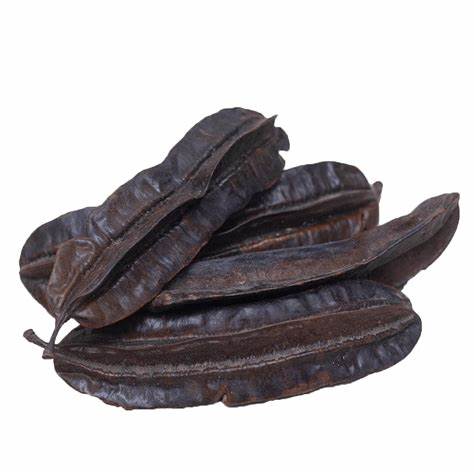
is a tropical tree native to West and Central Africa, especially Ghana, Nigeria, Cameroon, and Sierra Leone. It’s commonly called aidan fruit or four-corner spice.
Herbal Uses of the Prekese Plant (Tetrapleura tetraptera)
The prekese plant (Tetrapleura tetraptera) is widely used in West African traditional herbal practice, valued for its aromatic pods and rich phytochemical profile. Research confirms its antioxidant, antimicrobial, and anti‑inflammatory properties, but Google‑safe content should present these as traditional uses and scientific findings, not medical prescriptions.
Traditional Herbal Uses
Communities across West Africa have long used prekese pods in herbal remedies. Common applications include:
- Postpartum recovery: Decoctions given to new mothers to support healing.
- General wellness teas: Infusions consumed for their soothing aroma and restorative properties.
- Household remedy: Pods boiled to freshen air and used in cleansing rituals.
- Culinary medicine: Added to soups and stews, believed to aid digestion and overall vitality.
⚠️ Note: These are traditional practices. They should not replace professional medical advice.
🔬 Scientific Findings
Recent studies highlight the plant’s phytochemical richness and potential biological activities:
| Property | Evidence | Implication |
|---|---|---|
| Antioxidant | Rich in phenols, flavonoids, tannins, saponins | May help reduce oxidative stress |
| Antimicrobial | Shown to inhibit bacterial and fungal growth | Supports traditional use in cleansing and preservation |
| Anti‑inflammatory | Bioactive compounds reduce inflammation in lab studies | Aligns with traditional postpartum recovery use |
| Nutritional value | Contains carbohydrates, potassium, calcium, manganese, vitamins | Adds dietary benefits when used as spice |
🌍 Cultural and Economic Importance
- Culinary heritage: Essential in dishes like palm nut soup and pepper soup.
- Economic value: Farmers cultivate and sell pods, supporting local livelihoods.
- Sustainability: Naturally harvested and dried, eco‑friendly compared to synthetic flavorings.
✅ Conclusion
Prekese is both a cultural treasure and a plant of scientific interest. Its traditional herbal uses—combined with emerging research on its bioactive compounds—make it a valuable spice and wellness aid in West Africa.
Disclaimer: This article is for informational purposes only. It summarizes traditional uses and scientific findings. It does not provide medical advice. Always consult a qualified healthcare professional before using any plant for health purposes.