Broomweed (Sida acuta) – Traditional Uses and Research Insights

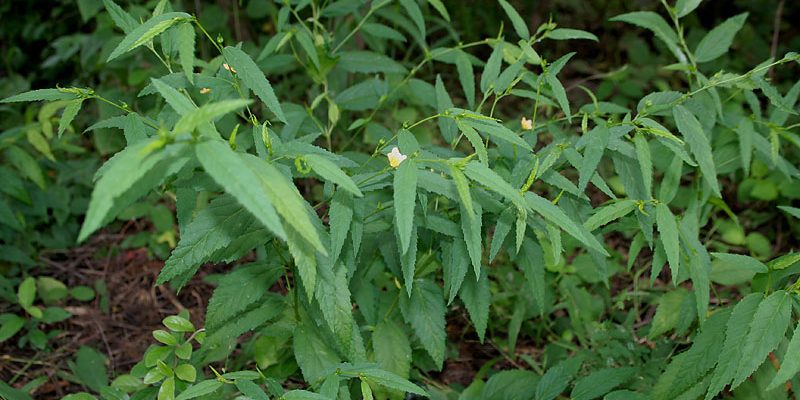
Broomweed, also known as Sida acuta, is a plant widely recognized in traditional medicine across different regions of the world. Communities have long valued it for its diverse applications in folk remedies, often preparing teas, extracts, or powders from its leaves, stems, and seeds.
🌱 Traditional Uses
In traditional herbal practices, Sida acuta has been used to support:
- General joint and muscle comfort
- Digestive wellness
- Skin and wound care
- Urinary tract health
- Overall vitality and resilience
These uses are based on cultural traditions and historical knowledge rather than standardized medical guidelines.
🔬 Compounds and Properties
Scientific studies have identified several bioactive compounds in Sida acuta, including:
- β‑phenethylamines – studied for anti‑inflammatory potential
- Quinazolines – explored in relation to neurological health
- Carboxylated tryptamines – linked to antioxidant activity
- Choline and betaine – investigated for liver support
While laboratory research suggests possible benefits, more clinical studies are needed to confirm safety and effectiveness in humans.
🍵 Common Forms of Use
Traditionally, Sida acuta has been prepared in different ways:
- Herbal tea – steeping leaves or powder in hot water
- Tinctures or extracts – concentrated liquid forms used in folk medicine
- Topical applications – poultices or washes for skin care
Modern supplement products may also be available, but usage instructions vary. Always follow manufacturer guidelines and consult a qualified healthcare professional before use.
⚖️ Safety and Considerations
Like many herbs, Sida acuta may cause different reactions depending on the individual. Because herbal remedies can interact with medications or health conditions, professional guidance is recommended before starting any supplement.
📌 Key Takeaway
Broomweed (Sida acuta) is a plant with a rich history in traditional medicine and promising areas of scientific research. While communities continue to value its cultural uses, modern science is still exploring its full potential.