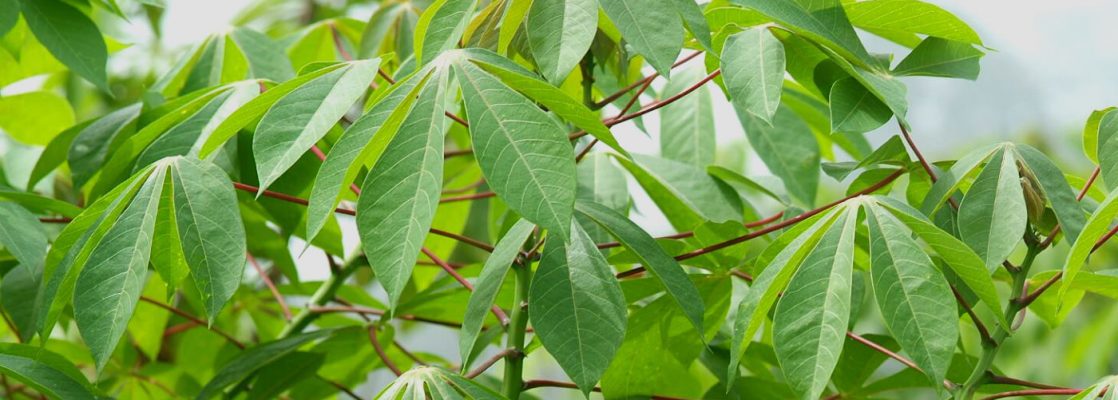
Cassava Leaf
Common name: cassava
Botanical name: Monihot utilisima
Manihot utilissima, more commonly known as cassava, is a woody shrub native to South America. It is also referred to as manioc or yuca. Cassava is a staple food in many tropical and subtropical regions, providing a significant source of carbohydrates.
Health Benefits Of Monihot utilising
- Rich in Nutrients: Cassava is a good source of dietary fibre, vitamin C, thiamin, folic acid, manganese, and potassium.
- Energy Boost: It is high in carbohydrates, providing a significant energy source.
- Supports Digestive Health: The dietary fibre in cassava aids in digestion and helps prevent constipation.
- Boosts Immunity: Vitamin C in cassava helps strengthen the immune system.
- Bone Health: The presence of manganese and calcium supports bone health and helps prevent bone-related disorders.
- Antioxidant Properties: Cassava contains bioactive compounds like flavonoids and phenolic acids, which have antioxidant properties that help protect the body from oxidative stress.
- Anti-inflammatory: These bioactive compounds also exhibit anti-inflammatory properties, which can help reduce inflammation in the body.
Chemical properties of Monihot utilisima
Manihot utilissima, commonly known as cassava, has several notable chemical properties:
Chemical Composition
- Starch: Cassava roots are primarily composed of starch, making up about 32-35% of the dry weight.
- Moisture: Fresh cassava roots contain approximately 65% moisture1.
- Proteins and Fats: Cassava is low in protein (0.7-2.5%) and fat (0.2-0.5%)1.
- Ash Content: The ash content, which represents the total mineral content, ranges from 0.1-1.3%.
- Cyanogenic Glucosides: Cassava contains cyanogenic glucosides, which can release hydrogen cyanide when broken down. Proper preparation is essential to remove these toxic compounds.
Bioactive Compounds
- Flavonoids: These compounds have antioxidant properties that help protect the body from oxidative stress.
- Tannins: Known for their astringent properties, tannins can help heal wounds and reduce inflammation.
- Saponins: These compounds have been shown to have antimicrobial and anti-inflammatory effects.
- Phenolic Acids: These acids contribute to the antioxidant and anti-inflammatory properties of cassava.
Nutritional Content
- Carbohydrates: Cassava is rich in carbohydrates, providing a significant source of energy1.
- Vitamins and Minerals: It contains vitamin C, thiamin, folic acid, manganese, and potassium
Cassava’s chemical properties make it a versatile plant with various applications in food, medicine, and industry. Proper preparation is crucial to ensure its safety and maximize its nutritional benefits.
How to use Cassava leaf (Monihot utilisima) as herbal medicine.
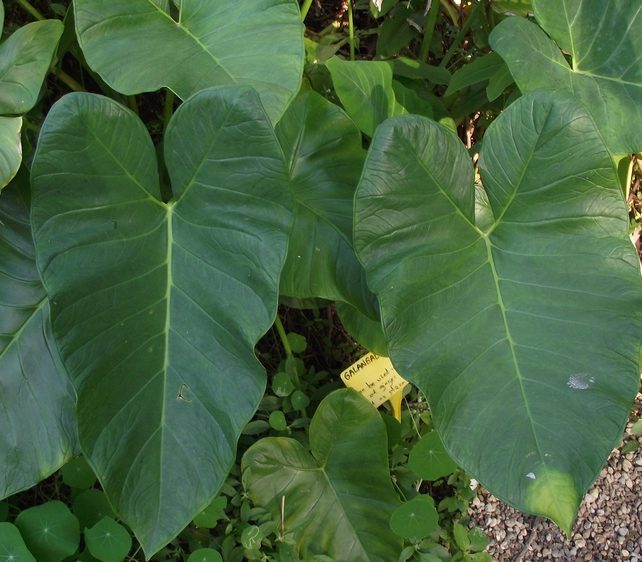
Cassava leaves (Manihot utilissima) have various medicinal uses, but it’s important to prepare them properly to avoid potential toxicity. Here are some ways cassava leaves can be used as herbal medicine:
Medicinal Uses
- Nutritional Supplement: Cassava leaves are rich in protein, vitamins (A and C), and minerals like iron and calcium. They can be cooked and eaten like spinach to boost nutritional intake.
- Anti-inflammatory: The leaves contain compounds with anti-inflammatory properties, which can help reduce inflammation in the body.
- Antioxidant: Cassava leaves have antioxidant properties that help protect the body from oxidative stress.
- Antimicrobial: They possess antimicrobial properties that can help fight infections.
Preparation Methods
- Cooking: Boil the leaves thoroughly to remove any toxic compounds. They can be used in soups, stews, or as a side dish similar to spinach.
- Juice Extraction: Fresh cassava leaves can be crushed to extract juice. This juice can be used topically for wound healing or taken in small amounts for its medicinal benefits.
- Poultice: Crushed leaves can be applied as a poultice to treat skin conditions and wounds.
Safety Tips
- Proper Cooking: Always cook cassava leaves thoroughly to eliminate cyanogenic glucosides, which can release cyanide.
- Moderation: Use cassava leaves in moderation and consult with a healthcare provider, especially if you have any underlying health conditions.
When used correctly, Cassava leaves can be a valuable addition to your herbal medicine repertoire. If you have any specific health concerns or conditions, it’s always best to consult with a healthcare professional before using any herbal remedies.
Safety and side effects of Cassava leaf (Monihot utilisima)
Cassava leaves (Manihot utilissima) can be beneficial, but they also come with certain safety concerns and potential side effects. Here are some key points to consider:
Safety and Side Effects
- Cyanogenic Glucosides: Cassava leaves contain cyanogenic glucosides, which can release cyanide when consumed. Proper preparation, such as thorough cooking, is essential to remove these toxic compounds.
- Allergic Reactions: Some individuals may experience allergic reactions to cassava leaves. Symptoms can include itching, swelling, and difficulty breathing.
- Nutrient Absorption: Cassava leaves contain anti-nutritional factors like phytates and oxalates, which can impair the absorption of certain nutrients.
- Goitrogenic Effects: Cassava leaves can interfere with iodine uptake, potentially leading to goiter if consumed in large quantities over time.
Preparation Tips
- Boiling: Boil the leaves thoroughly to reduce cyanogenic glucosides and other anti-nutritional factors.
- Fermentation: Fermenting the leaves can also help reduce toxic compounds.
- Moderation: Consume cassava leaves in moderation and as part of a balanced diet to minimize potential risks.
Special Precautions
- Pregnancy and Breastfeeding: Pregnant and breastfeeding women should avoid consuming cassava leaves due to the risk of cyanide exposure.
- Children: Ensure that cassava leaves are properly prepared before giving them to children to avoid cyanide poisoning.
Cassava leaves can be a nutritious addition to your diet when prepared correctly, but it’s important to be aware of the potential risks and take appropriate precautions.
Treats Ear Infection:
If you are having pains in the ear, itches or your ear secrets fluid. you have a sure option for your treatment using cassava leaf.
Usage: Add a pinch of iodized salt to the fresh tender leaves
of the red cassava and squeeze to extract the juice from it.
Put a drop into the ear and close it up with cotton wool before
going to bed.
Remove the cotton wool in the morning and
clean the ear with a cotton bud. Repeat the same for seven (7) days.
using cassava leaves to treat ear problems
cassava leaves is a plant which possess an adequate amount of calories. In comparison to the flesh, cassava leaves are more beneficial. Along with the good taste, it also possesses various health benefits, cassava leaves contain vitamins, proteins, minerals and essential amino no acids.
The protein found in cassava leaves helps to form body cells and constituent the enzyme system.
The availability of amino acids helps to modify the energy into carbohydrates. Amino acids help to recover skin wounds help us with a good memory bone health and the body’s metabolic system.
The chlorophyll found in the leaves provides anticancer anti-oxygen properties and health benefits of cassava it provides the satiety effect the cassava leaves assists in digestion and helps to overcome constipation.
It also helps to relieve headaches, cold medicine, worms, rheumatism, stomach ulcers, diarrhoea and dysentery and enhances stamina.