Skip to content
  • Home
  • About us
  • Products
  • plants
  • spices
  • fruits
  • Testimony
  • Videos
  • Contact us
Repamp Herbal Centre

Repamp Herbal Centre

Research and Promoters of African Medicinal Plants

  • Home
  • About us
  • Products
  • plants
  • spices
  • fruits
  • Testimony
  • Videos
  • Contact us
  • Toggle search form
https://www.repampgh.com/african-wild-medlar-vangueria-apiculata/

Thorn apple Plant (Solanum incanum)

Posted on July 12, 2024July 12, 2024 By Repamp Ghana

Thorn apple (Solanum incanum) Plant, Herbal Benefits and How to Use
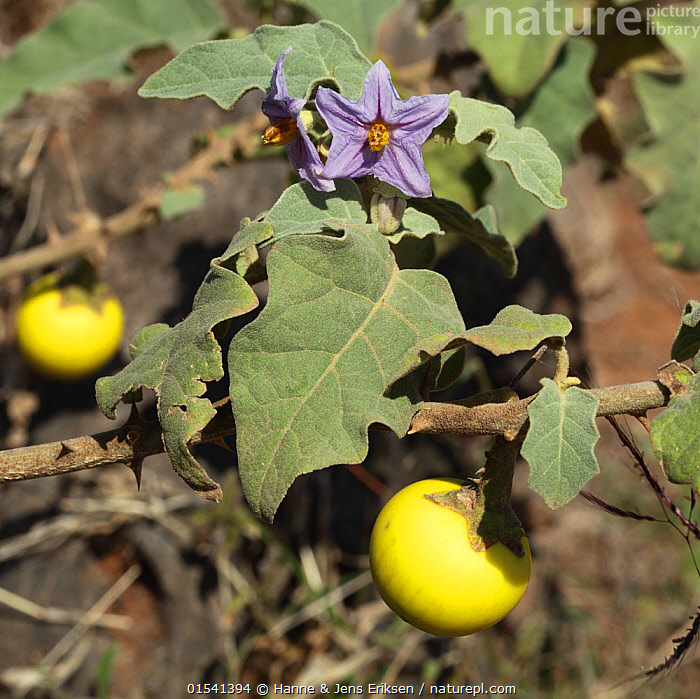
Thorn apple (Solanum incanum)

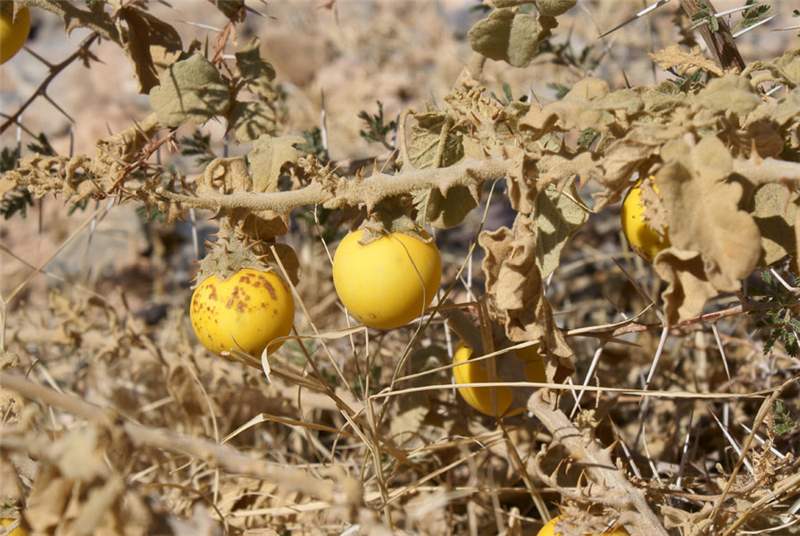
Solanum incanum, also known as thorn apple, bitter apple, bitterball, and bitter tomato, is a species of nightshade. It belongs to the family Solanaceae and is native to East Africa, West Africa, the Middle East, and India. The plant has been introduced to Taiwan and Vietnam. In biblical literature, it is sometimes referred to as a “hedge of thorns” (Hebrew: מְשֻׂכַת חָדֶק). Additionally, it may be confused with the similar species Solanum linnaeanum where their ranges overlap in Africa. Interestingly, in ancient India, Solanum incanum was domesticated into the eggplant (Solanum melongena).

The health benefits of Thorn apple (Solanum incanum)

Fayil:Solanum incanum ? (Solanaceae) (4757267542).jpg - Wikipedia

Solanum incanum, commonly known as thorn apple or bitter apple, has been used in traditional medicine for various ailments. Here are some of its reported uses:

  1. Sore Throat and Angina: The plant is believed to help soothe sore throats and angina.
  2. Stomach Ache and Colic: It has been used to relieve stomach pain and colic.
  3. Headache and Painful Menstruation: Thorn apple may provide relief from headaches and painful periods.
  4. Liver Pain and Onchocerciasis: Some traditional uses include treating liver pain and pain caused by onchocerciasis (river blindness).
  5. Pleurisy and Pneumonia: It has been used for respiratory conditions like pleurisy and pneumonia.
  6. Venereal Diseases: Thorn apple is also employed in the treatment of venereal diseases. Various parts of the plant, including roots, leaves, and fruit sap, are used.
  7. Among Tanzanian tribes, the thorn apple (also known as the Sodom apple) has various medicinal applications. The fruit is used to stop bleeding or pressed into wounds, and the juice can help with toothaches. Additionally, the stems are made into toothbrushes, believed to have an antibacterial effect.
  8. Hepatitis: Solanum incanum:
    • These plants are also cited by herbalists for treating hepatitis.
    • Their specific mechanisms of action need further research.

An extract from Solanum incanum (SR-T100) has been studied for treating vulvar condyloma acuminatum (genital warts).

In a pilot study, 73% of patients using SR-T100 gel showed a response, with 61.5% achieving total clearance.

Side effects were minimal, with only one patient experiencing severe skin-related effects.

Remember that while traditional uses suggest potential benefits, it’s essential to consult with a healthcare professional before using any herbal remedies.

The Chemical Properties of Solanum incanum

Thorn apple contain various phytochemicals with potential health effects. Here are some of its chemical properties:

  1. Alkaloids: Solanum incanum contains alkaloids, which can have diverse biological activities.
  2. Flavonoids: These compounds act as antioxidants and may contribute to the plant’s health benefits.
  3. Saponins: Saponins are known for their immunostimulant and anti-inflammatory properties.
  4. Phenols: Phenolic compounds have antioxidant effects and play a role in overall health.
  5. Steroids and Triterpenoids: These compounds are found in Solanum incanum and may contribute to its pharmacological properties.

Remember that while these chemical properties suggest potential benefits, it’s essential to consult with a healthcare professional before using any herbal remedies. Safety and side effects can vary, so proceed with caution.
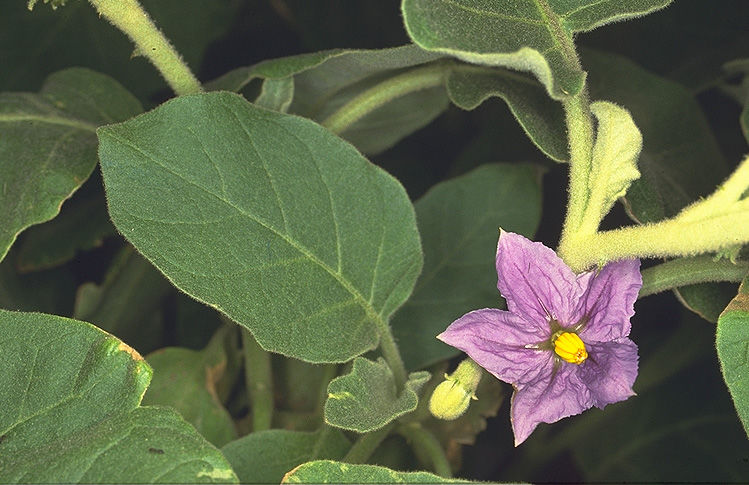
How to use the solanum incanum as a treatment for sickness and diseases

Solanum incanum L. | Plants of the World Online | Kew Science

rich history of traditional use for various ailments. Here are some ways it has been employed:

  1. Wound Healing and Bleeding Control:
    • The fruit of Solanum incanum can be used to stop bleeding or pressed into wounds.
    • The juice from the fruit may help with toothaches.
  2. Stomach Ache Relief:
    • The roots of the shrub are boiled and drunk to relieve stomach pains.
  3. Oral Health:
    • The stems are made into toothbrushes, believed to have an anti-bacterial effect.
  4. Skin Conditions:
    • Solanum incanum has been used for treating skin issues such as warts, ringworms, and wounds.
    • The leaves can serve as a natural alternative to toilet paper.
  5. Luck and Charms:
    • The flowers are considered lucky charms by some tribes.
    • Travellers often take these flowers on journeys for good luck.

Remember that while traditional uses suggest potential benefits, it’s essential to consult with a healthcare professional before using any herbal remedies. Safety and side effects can vary, so proceed with caution

Safety and adverse effects of Solanum incanum

Solanum incanum, commonly known as thorn apple, has both potential benefits and risks. Let’s explore:

  1. Efficacy for Vulvar Condyloma:
    • An extract from Solanum incanum (SR-T100) has been studied for treating vulvar condyloma acuminatum (genital warts).
    • In a pilot study, 73% of patients using SR-T100 gel showed a response, with 61.5% achieving total clearance.
    • Side effects were minimal, with only one patient experiencing severe skin-related effects.
  2. Toxicity and Impact on Livestock:
    • Solanum incanum is toxic to livestock and poses a threat to grazing animals.
    • It is abundant in East Africa, where it displaces native vegetation.
  3. Alkaloids and Sensitivity:
    • Solanum incanum contains alkaloids, including solamargine.
    • Cells infected with low-risk HPV types are more sensitive to SR-T100 treatment than those with high-risk HPVs.

Remember to consult a healthcare professional before using any herbal remedies. Safety and side effects can vary.

External links

Safety and side effects of solanum incanum

transmedcomms.biomedcentral.com

keys.lucidcentral.org

How to use the solanum incanum plant as medicines

tanzania-experience.com

youtube.com

The Health benefits of Solanum incaunm

academia.edu

tropical.theferns.info

plants Tags:Angina, Bleeding Control, headache, Liver Pain, Luck and Charms, Onchocerciasi, Painful Menstruation, Pleurisy, Pneumonia, skin conditions, sore throat, Stomach Ache Relief, wound healing

Post navigation

Previous Post: African wild medlar (Vangueria apiculata)
Next Post: Ginger bush (Tetradenia riparia)

More Related Articles

mushroom Mushrooms plants
Tomatoes (Solanum lycopersicum) Tomatoes (Solanum lycopersicum) plants
African velvet tamarind African Velvet Tamarind (Dialium guineense) plants
golden melon (Cucumis melo) Golden Melon (Cucumis melo) plants
Sarsaparilla Plant Sarsaparilla (Smilax regelii) plants
stone breaker plant Stone Breaker Plant plants
  • Varicocele (Herbal Treatment)
  • Tomatoes (Solanum lycopersicum)
  • Aloe vera
  • Purple cleome (Cleome rutidosperma)
  • Phosphorus (Health Benefits)

Contact The Naturalist For Your Confidential Health Issues +233548383154

herbs
herbal spices_repampghana

Recent Posts

  • Varicocele (Herbal Treatment)
  • Tomatoes (Solanum lycopersicum)
  • Aloe vera
  • Purple cleome (Cleome rutidosperma)
  • Phosphorus (Health Benefits)
  • Green Tea (Camellia sinensis)
  • Milk thistle (Silybum marianum)
  • Fibroid (Uterine fibroid)
  • Pelvic Inflammatory Disease (PID)
  • Hernia (Herbal Ways To Manage)
  • Swahili Plant (Cyphostemma adenocaule)
  • Long Pepper (Piper longum)
  • Punarnava (Boerhaavia diffusa) Plant
  • Sickle Cell Anaemia
  • Vitamin B9 (Folic Acid)
  • Pignut (Hyptis suaveolens)
  • Vitamin B6 (Pyridoxine)
  • Oysters (Health Benefits)
  • Copper (Health Benefits)
  • Orange Leaves (Health Benefits)

Recent Comments

    Archives

    • November 2024
    • October 2024
    • September 2024
    • August 2024
    • July 2024
    • June 2024
    • May 2024
    • April 2024
    • March 2024
    • February 2024
    • January 2024
    • December 2023
    • November 2023
    • October 2023
    • July 2023
    • April 2023
    • March 2023
    • December 2022
    • September 2022
    • August 2022
    • July 2022
    • June 2022
    • November 2021
    • October 2021
    • July 2021
    • June 2021
    • May 2021
    • April 2021
    • March 2021
    • February 2021
    • January 2021
    • December 2020
    • November 2020
    • October 2020
    • September 2020
    • February 2020
    • January 2020
    • December 2019
    Zahara herbal mixture and capsules
    Zahara herbal mixture and capsules

    Recent Posts

    • Varicocele (Herbal Treatment)
    • Tomatoes (Solanum lycopersicum)
    • Aloe vera
    • Purple cleome (Cleome rutidosperma)
    • Phosphorus (Health Benefits)
    • Green Tea (Camellia sinensis)
    • Milk thistle (Silybum marianum)
    • Fibroid (Uterine fibroid)
    • Pelvic Inflammatory Disease (PID)
    • Hernia (Herbal Ways To Manage)
    • Swahili Plant (Cyphostemma adenocaule)
    • Long Pepper (Piper longum)
    • Punarnava (Boerhaavia diffusa) Plant
    • Sickle Cell Anaemia
    • Vitamin B9 (Folic Acid)
    • Pignut (Hyptis suaveolens)
    • Vitamin B6 (Pyridoxine)
    • Oysters (Health Benefits)
    • Copper (Health Benefits)
    • Orange Leaves (Health Benefits)
    • Magnesium (Health Benefits)
    • Activated Charcoal (Health Benefits)
    • King Grass (Ageratum Conyzoides)
    • Plantain Peels – Health Benefits and Ways to Use
    • Eggs (Health Benefits and Nutritional Value)
    • Fresh Air and Its Health Importance
    • Flat-top Mille Graines (Oldenlandia corymbosa)
    • Perilla mint plant (Perilla frutescens)
    • Omega-3 Fatty Acids
    • Banana Stem – Health Benefits

    Categories


    Contact Us

    Zoom Lion Office,Zugjug Road, Tamale, Ghana.
    Box Office No. TL2155, Tamale, Northern Region, Ghana.
    WhatsApp Line: +233548383696
    Customer Care: +233548383154

    Social Media

          Email: repampgh@gmail.com
          Info@repampgh.com

          Links

          • Products
          • Common Plants
          • Health Benefit of Some Plants
          • Testimony
          • About us

          Copyright © 2026 Repamp Herbal Centre.

          Powered by PressBook Green WordPress theme