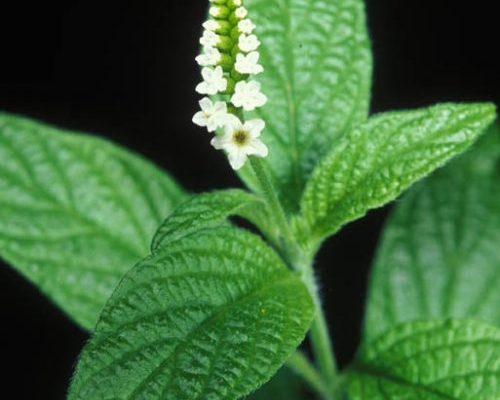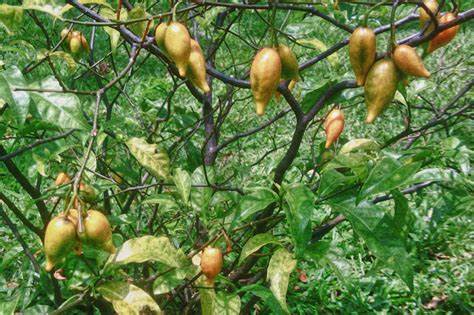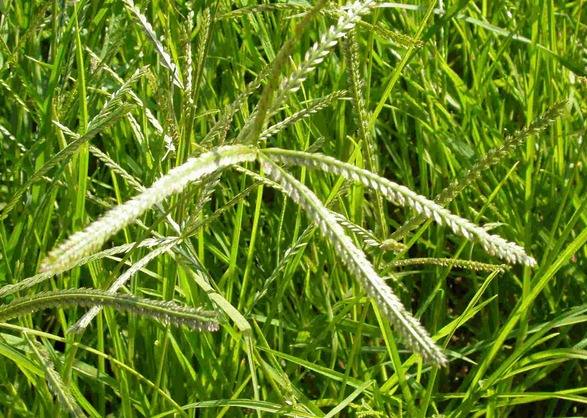
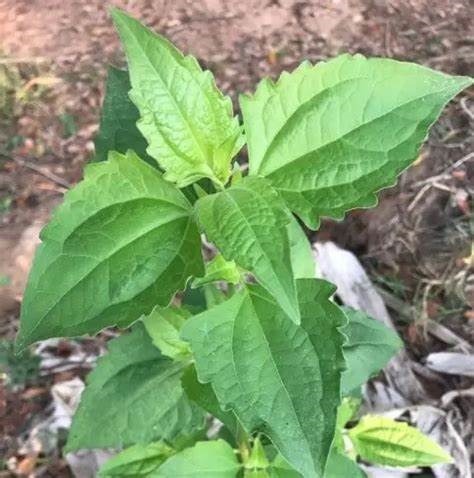
Awolowo plant ( Chromolaena odorata)
Chromolaena odorata, commonly known as Siam weed or Christmas bush, Awolowo leaf, is a tropical and subtropical flowering shrub in the sunflower family. Native to the West Africa, it has spread to tropical Asia, America, and the Pacific Islands. Although it is considered an invasive species due to its rapid colonization of disturbed areas, it has also been traditionally used for medicinal purposes in some cultures. Let’s explore its potential health benefits:
- Wound Healing:
- The leaves of Chromolaena odorata are used in traditional medicine for wound healing.
- When crushed and applied to cuts or open sores, they act as a coagulant, aiding in blood clot formation and reducing bleeding.
- The plant’s antiseptic properties help prevent bacterial infections at the wound site, promoting faster tissue repair.
- Anti-Inflammatory Properties:
- Compounds within Chromolaena odorata possess anti-inflammatory properties.
- By targeting inflammatory pathways in the body, it may alleviate swelling and pain.
- This makes it a potential natural alternative for managing conditions marked by inflammation, such as arthritis.
- Pain Relief:
- Chromolaena odorata has long been used as a remedy for its analgesic properties.
- Its constituents may target pain receptors, providing relief from various aches, including headaches and stomach discomfort.
- Additionally, its calming effects contribute to overall pain management. Other Potential Benefits:
- Cardiovascular Health: Some compounds in Chromolaena odorata may benefit blood pressure and lipid profiles.
- Antifungal, antibacterial, antidiabetic, antiseptic, and diuretic properties have also been attributed to this plant
Chemical Properties of Awolowo plant ( Chromolaena odorata)
- Phytochemical Constituents:
- Phenolic Compounds: Chromolaena odorata contains various phenolic compounds, which contribute to its antioxidant and anti-inflammatory activities.
- Essential Oils: The leaves and root extracts of C. odorata contain essential oils with therapeutic potential.
- Flavonoids: These bioactive compounds play a role in wound healing, anti-inflammatory effects, and overall health benefits.
- Active Chemicals: Notable constituents include:
- 5-hydroxy-7,4′-dimethoxyflavanone
- 2′-hydroxy-4,4′,5′,6′-tetramethoxychalcone
- 1,6-dimethyl-4-(1-methylethyl) naphthalene
- β-caryophyllene and α-pinene.
- Medicinal Properties:
- Antibacterial Activity: C. odorata exhibits antibacterial effects, making it useful for various health conditions.
- Anti-Inflammatory Benefits: Its anti-inflammatory properties may help manage conditions like arthritis.
- Antioxidant Potential: The plant’s phenolic compounds contribute to its antioxidant activity.
- Analgesic Effects: Traditionally used for pain relief, C. odorata may alleviate headaches and other discomforts.
- Wound Healing: When applied to wounds, it aids in clot formation and prevents infections.
- Stomach Problems: Some traditional uses include treating stomach issues12.
- Other Considerations:
- All-Natural Approach: While research supports its potential benefits, further studies are needed.
- Consult a Professional: Always seek advice from a healthcare provider before using herbal remedies.
How to Use The Awolowo Plant ( Chromolaena odorata)
- Wound Healing:
- Crush the leaves of Chromolaena odorata and apply them to cuts or open sores.
- They act as a coagulant, aiding in blood clot formation and reducing bleeding.
- The plant’s antiseptic properties help prevent bacterial infections at the wound site, promoting faster tissue repair.
- Anti-Inflammatory Properties:
- Compounds within Chromolaena odorata possess anti-inflammatory properties.
- Regular use may alleviate swelling and pain, making it beneficial for conditions like arthritis.
- Pain Relief:
- Traditionally used for its analgesic properties.
- Apply crushed leaves to areas with pain (e.g., joint pain) for relief.
- Cholesterol Management:
- Boil Chromolaena odorata leaves in water and drink the infusion.
- Studies suggest it may help reduce cholesterol levels and prevent cardiovascular complications.
- Digestive Health:
- The leaves occasionally serve as an aromatic addition to soups.
- Traditionally used to treat stomach problems.
Potential side effects of Chromolaena odorata
Chromolaena odorata has several potential health benefits, it’s essential to be aware of possible side effects. Here are some considerations:
- Allergic Reactions:
- Like any plant, some individuals may be allergic to Chromolaena odorata.
- If you experience skin rashes, itching, or respiratory symptoms after exposure, discontinue use and seek medical advice.
- Gastrointestinal Discomfort:
- Excessive consumption of Chromolaena odorata may lead to digestive discomfort.
- If you notice stomach upset, bloating, or diarrhoea, reduce your intake.
- Interactions with Medications:
- Always consult a healthcare professional if you are taking medications.
- Some compounds in Chromolaena odorata may interact with certain drugs.
- Dosage Considerations:
- Moderation is crucial. Avoid excessive intake.
- High doses may have adverse effects on health.