
Skip to content
  • Home
  • About us
  • Products
  • plants
  • spices
  • fruits
  • Testimony
  • Videos
  • Contact us
Repamp Herbal Centre

Repamp Herbal Centre

Research and Promoters of African Medicinal Plants

  • Home
  • About us
  • Products
  • plants
  • spices
  • fruits
  • Testimony
  • Videos
  • Contact us
  • Toggle search form
Withania-Somnifera

Withania somnifera (ashwagandha)

Posted on November 27, 2023December 2, 2023 By Repamp Ghana

Medical benefits of Withania somnifera (ashwagandha)
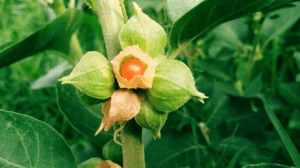
Withania somnifera plant

Withania somnifera (ashwagandha), also known as ashwagandha or Indian ginseng, is a plant used in traditional Indian medicine for various purposes. These are some of the health benefits of the ashwagandha plant

  • Reducing stress and anxiety. Ashwagandha is an adaptogen, which means it helps the body cope with stress. Some studies have shown that it can lower cortisol levels, improve mood, and reduce anxiety symptoms.
  • Enhancing athletic performance. Ashwagandha may improve strength, endurance, oxygen consumption, and muscle mass in healthy adults. It may also help with recovery after exercise.
  • Boosting immunity and fighting infections. Ashwagandha may stimulate the immune system and increase the activity of natural killer cells, that are responsible for killing harmful bacteria and viruses. It may also have anti-inflammatory and antioxidant effects.
  • Improving male fertility and sexual function. Ashwagandha may increase testosterone levels, sperm count, and sperm quality in men with infertility. It may also enhance sexual desire and performance.
  • Supports the brain health and cognition. Ashwagandha may protect the brain from oxidative stress, inflammation, and neurodegeneration. It may also improve memory, attention, and mental processing.
  • Promoting sleep quality. Ashwagandha may help induce sleep by increasing the levels of triethylene glycol, a compound that has sedative effects. It may also improve sleep quality and duration.

However, more research is needed to confirm the safety and effectiveness of ashwagandha for these and other potential benefits. The optimal dosage and form of ashwagandha may vary depending on the individual and the condition being treated.

Chemical Properties of Withania somnifera plant

According to a review of chemical analysis of Withania somnifera extract, ashwagandha contains several major biochemical constituents, such as alkaloids, steroidal lactones (withanolides), and saponins. Some of the withanolides found in ashwagandha are withaferin A, withanolide A, withanolide D, withanoside IV, and withanoside V. Withanolides are known for their anti-inflammatory, anti-tumour, anti-stress, and neuroprotective effects. Ashwagandha also contains other compounds, such as flavonoids, phenolic acids, and phytosterols, which may contribute to its health benefits

How to use the Withania somnifera plant

ashwagandha, can be used in various forms, such as:

  • Powder: The root of ashwagandha can be dried and ground into a fine powder, which can be mixed with water, milk, or honey and consumed orally. The recommended dosage is usually 1-2 teaspoons (5-10 grams) per day, divided into two or three doses.
  • Capsules: Ashwagandha root powder can also be encapsulated and taken as a dietary supplement. The recommended dosage is usually 500-1000 milligrams per day, taken with meals.
  • Decoction: Ashwagandha root powder can be boiled in water or milk to make a decoction, which can be consumed orally. The recommended dosage is usually 30-60 millilitres per day, divided into two or three doses.
  • Tincture: Ashwagandha root can be extracted in alcohol or glycerin to make a tincture, which can be taken orally. The recommended dosage is usually 2-4 millilitres per day, diluted in water or juice.
  • Oil: Ashwagandha root can be infused in oil, such as sesame or coconut oil, to make an oil that can be applied topically or consumed orally. The recommended dosage is usually 1-2 teaspoons (5-10 millilitres) per day, divided into two or three doses.

However, the optimal dosage and form of ashwagandha may vary depending on the individual and the condition being treated. Therefore, it is advisable to consult a doctor before taking ashwagandha supplements.
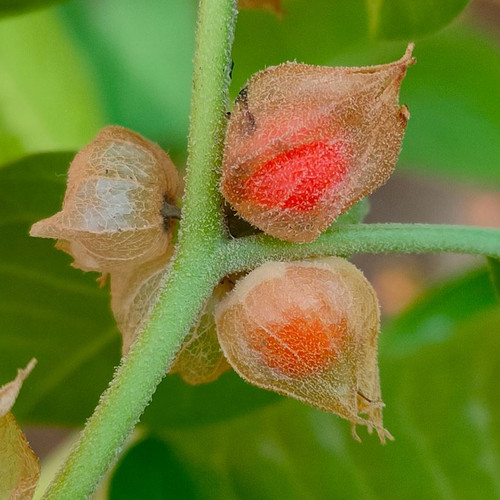
Withania Somnifera
Withania somnifera plant (Indian ginseng)

The side effect of the Withania somnifera plant

Ashwagandha, may cause some side effects in certain individuals. Some of the possible side effects are:

  • Gastrointestinal symptoms: Ashwagandha may cause nausea, upset stomach, diarrhoea, and vomiting in some people.
  • Drowsiness: Ashwagandha may have sedative effects and cause drowsiness or sleepiness in some people.
  • Hypotension: Ashwagandha may lower blood pressure and cause hypotension in some people.
  • Allergic reactions: Ashwagandha may cause allergic reactions in some people who are sensitive to the plant or its extracts.

However, more research is needed to confirm the safety and effectiveness of ashwagandha for these and other potential benefits. The optimal dosage and form of ashwagandha may vary depending on the individual and the condition being treated. Therefore, it is advisable to consult a doctor before taking ashwagandha supplements.


plants Tags:anti-inflammatory, anti-stress, anti-tumour, ashwagandha, brain health, fertility, immune booster, sexual function, sleep quality., sperm count, sperm quality, steroidal, stress and anxiety, Withania somnifera, withanolides

Post navigation

Previous Post: Dandelion (Taraxacum Officinale)
Next Post: Fenugreek (Trigonella foenum-graecum)

More Related Articles

goat weed Goat weed(Ageratum Conyzoides) plants
Bahama grass (Cynodon dactylon) Bahama grass (Cynodon dactylon) plants
raffia Raffia Palm plants
Ageratum conyzoides King Grass (Ageratum Conyzoides) plants
cassia alata Cassia alata (Bush Candle) plants
Blue vervain plant,medicinal uses of blue vervain plant,how to use the blue vervain plant,contact us to buy blue vervain powder,treating bacterial infection,how to treat infertility in women,reduce cancer risk. Blue Vervain Plant plants
  • Varicocele (Herbal Treatment)
  • Tomatoes (Solanum lycopersicum)
  • Aloe vera
  • Purple cleome (Cleome rutidosperma)
  • Phosphorus (Health Benefits)

Contact The Naturalist For Your Confidential Health Issues +233548383154

herbs
herbal spices_repampghana

Recent Posts

  • Varicocele (Herbal Treatment)
  • Tomatoes (Solanum lycopersicum)
  • Aloe vera
  • Purple cleome (Cleome rutidosperma)
  • Phosphorus (Health Benefits)
  • Green Tea (Camellia sinensis)
  • Milk thistle (Silybum marianum)
  • Fibroid (Uterine fibroid)
  • Pelvic Inflammatory Disease (PID)
  • Hernia (Herbal Ways To Manage)
  • Swahili Plant (Cyphostemma adenocaule)
  • Long Pepper (Piper longum)
  • Punarnava (Boerhaavia diffusa) Plant
  • Sickle Cell Anaemia
  • Vitamin B9 (Folic Acid)
  • Pignut (Hyptis suaveolens)
  • Vitamin B6 (Pyridoxine)
  • Oysters (Health Benefits)
  • Copper (Health Benefits)
  • Orange Leaves (Health Benefits)

Recent Comments

    Archives

    • November 2024
    • October 2024
    • September 2024
    • August 2024
    • July 2024
    • June 2024
    • May 2024
    • April 2024
    • March 2024
    • February 2024
    • January 2024
    • December 2023
    • November 2023
    • October 2023
    • July 2023
    • April 2023
    • March 2023
    • December 2022
    • September 2022
    • August 2022
    • July 2022
    • June 2022
    • November 2021
    • October 2021
    • July 2021
    • June 2021
    • May 2021
    • April 2021
    • March 2021
    • February 2021
    • January 2021
    • December 2020
    • November 2020
    • October 2020
    • September 2020
    • February 2020
    • January 2020
    • December 2019
    Zahara herbal mixture and capsules
    Zahara herbal mixture and capsules

    Recent Posts

    • Varicocele (Herbal Treatment)
    • Tomatoes (Solanum lycopersicum)
    • Aloe vera
    • Purple cleome (Cleome rutidosperma)
    • Phosphorus (Health Benefits)
    • Green Tea (Camellia sinensis)
    • Milk thistle (Silybum marianum)
    • Fibroid (Uterine fibroid)
    • Pelvic Inflammatory Disease (PID)
    • Hernia (Herbal Ways To Manage)
    • Swahili Plant (Cyphostemma adenocaule)
    • Long Pepper (Piper longum)
    • Punarnava (Boerhaavia diffusa) Plant
    • Sickle Cell Anaemia
    • Vitamin B9 (Folic Acid)
    • Pignut (Hyptis suaveolens)
    • Vitamin B6 (Pyridoxine)
    • Oysters (Health Benefits)
    • Copper (Health Benefits)
    • Orange Leaves (Health Benefits)
    • Magnesium (Health Benefits)
    • Activated Charcoal (Health Benefits)
    • King Grass (Ageratum Conyzoides)
    • Plantain Peels – Health Benefits and Ways to Use
    • Eggs (Health Benefits and Nutritional Value)
    • Fresh Air and Its Health Importance
    • Flat-top Mille Graines (Oldenlandia corymbosa)
    • Perilla mint plant (Perilla frutescens)
    • Omega-3 Fatty Acids
    • Banana Stem – Health Benefits

    Categories


    Contact Us

    Zoom Lion Office,Zugjug Road, Tamale, Ghana.
    Box Office No. TL2155, Tamale, Northern Region, Ghana.
    WhatsApp Line: +233548383696
    Customer Care: +233548383154

    Social Media

          Email: repampgh@gmail.com
          Info@repampgh.com

          Links

          • Products
          • Common Plants
          • Health Benefit of Some Plants
          • Testimony
          • About us

          Copyright © 2026 Repamp Herbal Centre.

          Powered by PressBook Green WordPress theme