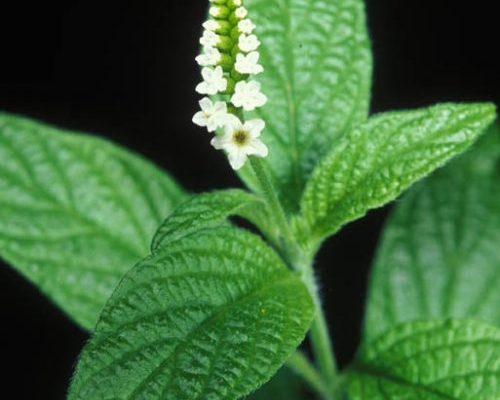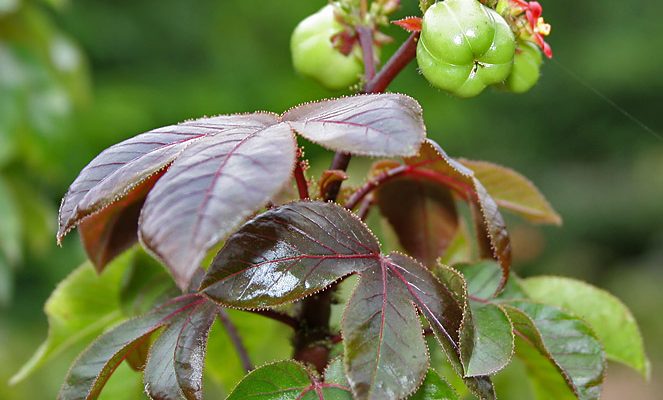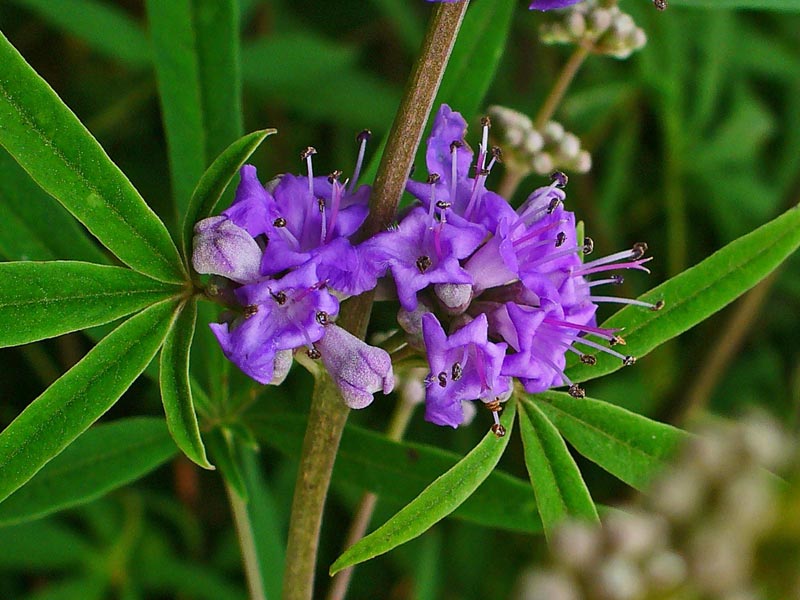
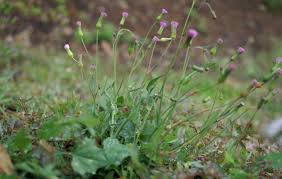
Tassel Flower Plant (Emilia sonchifolia)
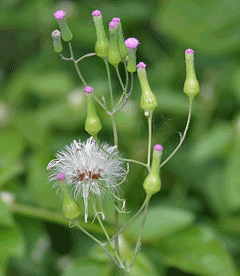
The Tassel Flower plant belongs to the Asteraceae (daisy family), Native Regions: Africa and other tropical locations, the plant is also called the Lilac Tassel flower, Red Tassel flower, Cupid’s Paintbrush and Flora’s Paintbrush. Tassel flower is scientifically known as Emilia sonchifolia, it is a fascinating plant with various uses and characteristics. In traditional medicine, it has been used for various treatments because of its nutritional and healing properties
Health Benefits of Tassel Flower Plant
The Tassel Flower plant (Emilia sonchifolia) offers a range of health benefits, many of which are supported by traditional medicine and some scientific studies. Here are ten notable health benefits:
- Anti-Inflammatory Properties: The plant contains compounds that help reduce inflammation, making it useful for arthritis and skin inflammation.
- Respiratory Health: Traditionally, it has been used to alleviate respiratory issues such as coughs, bronchitis, and asthma by aiding in mucus clearance.
- Antioxidant Protection: Rich in antioxidants, Emilia sonchifolia helps combat free radicals and oxidative stress, reducing the risk of chronic diseases.
- Wound Healing: The plant has been used to promote wound healing due to its antimicrobial properties, which help prevent infections.
- Sore Throat Relief: It is used in traditional medicine to soothe sore throats and reduce throat inflammation.
- Blood Pressure Regulation: Some studies suggest that it may help in managing high blood pressure.
- Digestive Health: The plant is used to treat upset stomachs and as an antidiarrheal medicine.
- Eye Health: Scientific research indicates that it could be beneficial in the management of eye diseases.
- Pain Relief: It has the potential as a pain reliever and has been used traditionally to alleviate various types of pain.
- Immune System Support: Studies have shown that it can enhance white blood cell counts, which is useful in fighting infections.
These benefits highlight the versatility and potential of the Tassel Flower plant in traditional and modern medicine. If you’re considering using it for health purposes, it’s always best to consult with a healthcare professional to ensure it’s appropriate for your specific needs.
Chemical Properties of Tassel Flower Plant
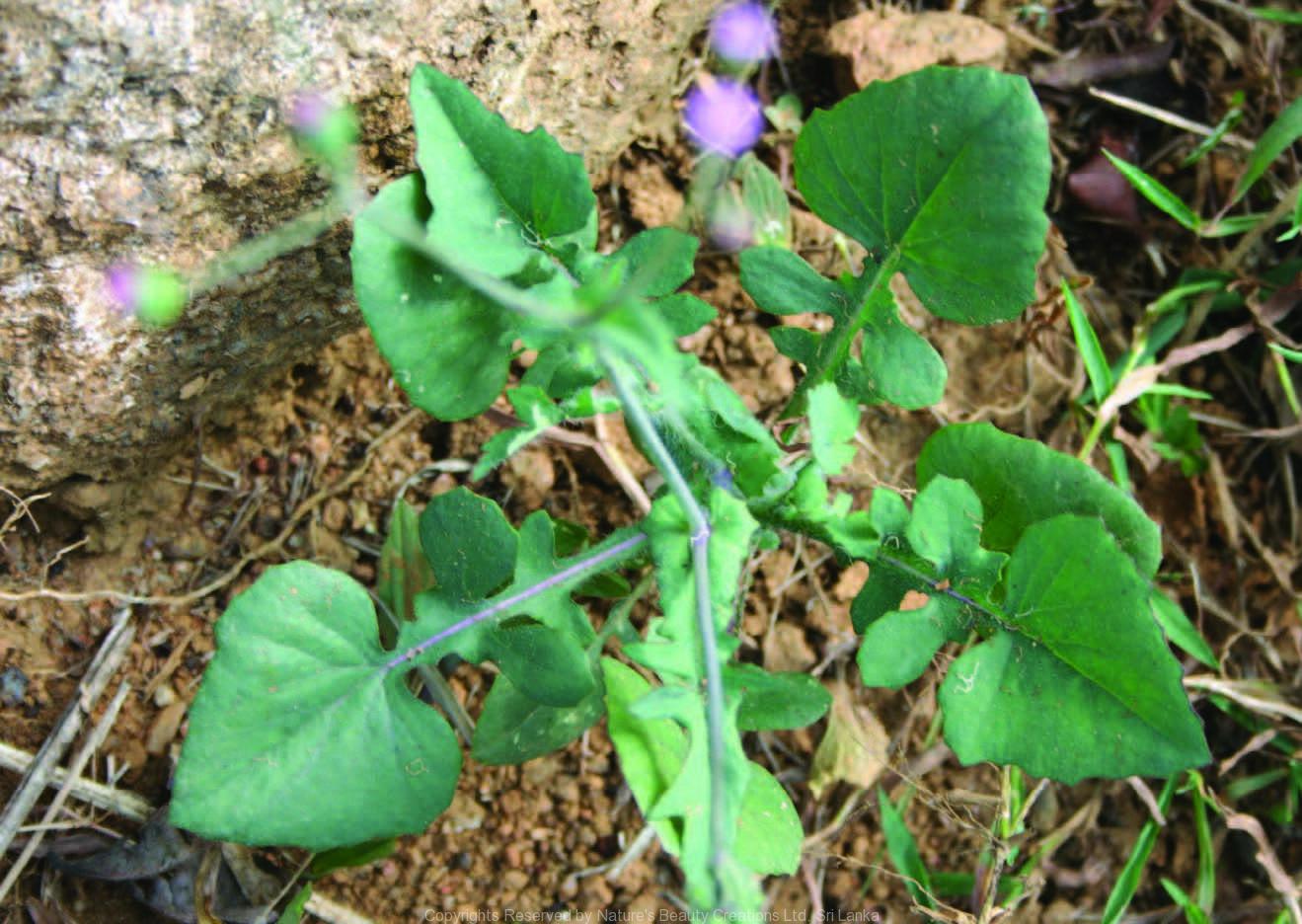
The Tassel Flower plant (Emilia sonchifolia) contains a variety of chemical compounds that contribute to its medicinal properties. Here are some of the key chemical properties:
- Alkaloids: These are naturally occurring compounds known for their pharmacological effects. In Emilia sonchifolia, alkaloids contribute to its anti-inflammatory and analgesic properties.
- Flavonoids: These compounds are known for their antioxidant activity, which helps in protecting cells from oxidative stress and reduce inflammation.
- Saponins: These compounds have immune-boosting and antimicrobial properties. They also help in reducing cholesterol levels.
- Tannins: Known for their astringent properties, tannins help in wound healing and have anti-inflammatory effects.
- Phenols: These compounds have strong antioxidant properties, which help in protecting the body against free radicals and reduce the risk of chronic diseases.
- Steroids: These compounds have anti-inflammatory and immune-modulating effects, which can be beneficial in treating various inflammatory conditions.
- Terpenoids: These are known for their aromatic properties and have been found to possess anti-inflammatory, antimicrobial, and anticancer activities.
- Glycosides: These compounds have various therapeutic effects, including anti-inflammatory and antimicrobial properties.
- Phlobatannins: These are a type of tannin with strong antioxidant properties, contributing to the plant’s overall health benefits.
- Pyrrolizidine Alkaloids: While these compounds have some medicinal benefits, they can also be toxic to the liver if consumed in large quantities.
These chemical properties make the Tassel Flower plant a valuable resource in traditional medicine. However, it’s important to use it with caution due to the presence of potentially toxic compounds like pyrrolizidine alkaloids. Always consult with a healthcare professional before using it for medicinal purposes.
How to use Tassel Flower Plant as Herbal Medicines
The Tassel Flower plant (Emilia sonchifolia) has various traditional medicinal uses. Here are some common ways to use it and their suggested doses:
1. For Respiratory Issues (Coughs, Bronchitis, Asthma)
- Preparation: Make a tea by boiling 1-2 teaspoons of dried leaves in a cup of water for 10-15 minutes.
- Dosage: Drink 1 cup, 2-3 times a day.
2. For Sore Throat
- Preparation: Gargle with a tea made from the leaves.
- Dosage: Gargle 2-3 times a day.
3. For Digestive Health (Upset Stomach, Diarrhea)
- Preparation: Prepare a decoction by boiling the leaves and stems in water.
- Dosage: Drink 1 cup, 2 times a day.
4. For Wound Healing
- Preparation: Crush fresh leaves to extract the juice and apply directly to the wound.
- Dosage: Apply 2-3 times a day until healed.
5. For Eye Health (Conjunctivitis)
- Preparation: Use the juice of the leaves as eye drops.
- Dosage: Apply 1-2 drops in the affected eye, 2-3 times a day.
6. For Pain Relief
- Preparation: Make a poultice from the crushed leaves and apply to the affected area.
- Dosage: Apply as needed.
7. For Blood Pressure Regulation
- Preparation: Drink a tea made from the leaves.
- Dosage: 1 cup, 2 times a day.
8. For Immune System Support
- Preparation: Prepare a tea from the leaves.
- Dosage: 1 cup daily.
9. For Anti-Inflammatory Effects
- Preparation: Drink a tea made from the leaves.
- Dosage: 1 cup, 2 times a day.
10. For Antioxidant Protection
- Preparation: Drink tea made from the leaves.
- Dosage: 1 cup daily.
Safety Note
While the Tassel Flower plant has many benefits, it is important to use it with caution due to the presence of potentially toxic compounds like pyrrolizidine alkaloids. Always consult with a healthcare professional before using it for medicinal purposes to ensure it is safe for you.
Safety and Side Effects of Tassel Flower Plant
While the Tassel Flower plant (Emilia sonchifolia) has many medicinal benefits, it’s important to be aware of its safety and potential side effects:
Safety Considerations
- Pyrrolizidine Alkaloids: These compounds can be toxic to the liver if consumed in large quantities. Long-term use or high doses should be avoided.
- Allergic Reactions: Some individuals may experience allergic reactions, such as skin rashes or respiratory issues when handling or consuming the plant.
- Pregnancy and Breastfeeding: There is limited information on the safety of using this plant during pregnancy and breastfeeding. It’s best to avoid use during these periods unless advised by a healthcare professional.
Potential Side Effects
- Liver Toxicity: Due to the presence of pyrrolizidine alkaloids, there is a risk of liver damage with prolonged use.
- Gastrointestinal Issues: Some people may experience stomach upset, nausea, or diarrhoea when consuming the plant.
- Skin Irritation: Direct contact with the plant’s sap or juice may cause skin irritation in sensitive individuals.
Recommendations
- Consult a Healthcare Professional: Always consult with a healthcare provider before using the Tassel Flower plant for medicinal purposes, especially if you have pre-existing health conditions or are taking other medications.
- Moderation: Use the plant in moderation to minimize the risk of side effects.
- Allergy Test: Perform a patch test before using the plant topically to check for any allergic reactions.
External links
Health benefits of Tassel Flower plant
How to use the Tassel Flower plant as herbal medicine