Skip to content
  • Home
  • About us
  • Products
  • plants
  • spices
  • fruits
  • Testimony
  • Videos
  • Contact us
Repamp Herbal Centre

Repamp Herbal Centre

Research and Promoters of African Medicinal Plants

  • Home
  • About us
  • Products
  • plants
  • spices
  • fruits
  • Testimony
  • Videos
  • Contact us
  • Toggle search form
what are the symptoms that the body lacks vitamin E

Vitamin E (alpha-tocopherol)

Posted on June 28, 2024June 28, 2024 By Repamp Ghana

Vitamin E (alpha-tocopherol) Health Benefits and Importance
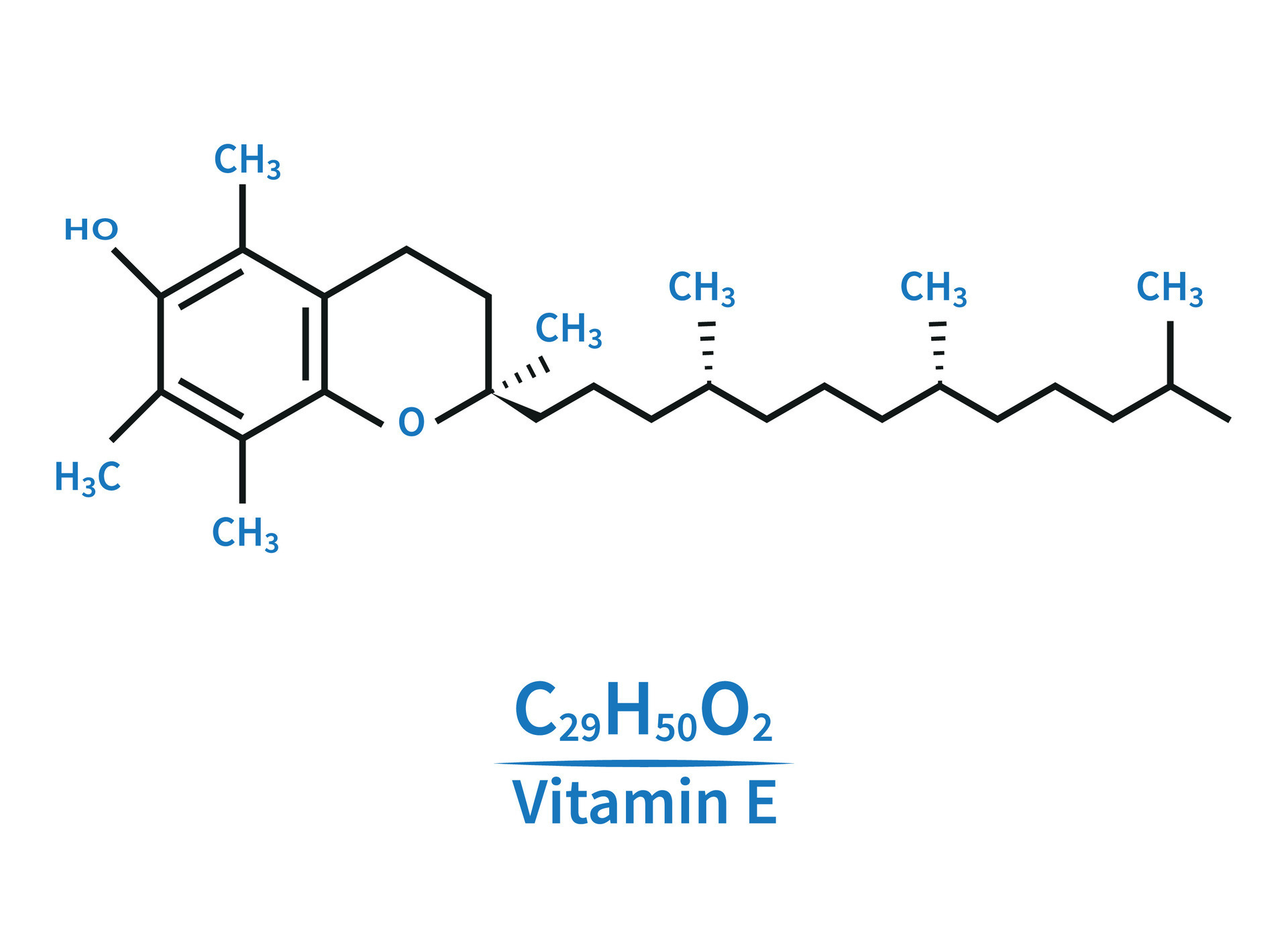
Vitamin E or alpha-tocopherol vector ...
alpha-tocopherol structure

Vitamin E is a fat-soluble nutrient found in many foods. It acts as an antioxidant, protecting cells from damage caused by free radicals. These free radicals form during the body’s energy conversion process from our diets. There are eight forms of vitamin E, with alpha-tocopherol being the most common and abundant in our tissues and liver. Vitamin E has several benefits, including lowering the risk of cancer and supporting eye health

The benefits of Vitamin E to the body

Vitamin E offers several health benefits:

  1. Lowers Cancer Risk: As an antioxidant, it helps protect against cancer-causing cell damage. Eating whole foods rich in vitamin E is recommended for cancer prevention.
  2. Heart Health: While more research is needed, vitamin E may play a role in preventing heart disease
  3. Eye Health: Vitamin E has a protective effect on eye cells, reducing the risk of age-related macular degeneration (AMD) and cataracts.
  4. Antioxidant Protection: Vitamin E fights free radicals, which can damage cells and contribute to ageing and disease
  5. Boosts Immune System: Adequate vitamin E supports overall immune function.
  6. Reduces Blood Clot Risk: It contributes to healthy blood circulation and may lower the risk of blood clots.
  7. Skin Health: Vitamin E is essential for skin health and vitality.

Remember to include vitamin E-rich foods in your diet for these benefits!

What are the symptoms associated with vitamin E deficiency?
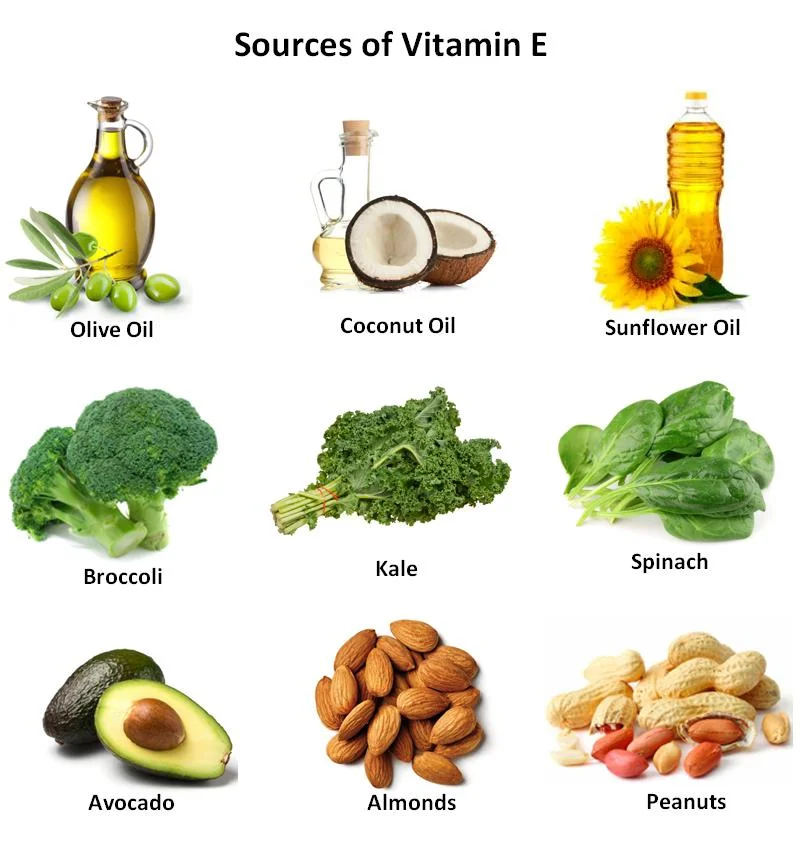
Vitamin E Health Benefits and importance
Vitamin E

Vitamin E deficiency is uncommon, but when it occurs, it can lead to various symptoms. Here are the signs to watch out for:

  1. Muscle Weakness: A lack of vitamin E affects the central nervous system, leading to muscle weakness.
  2. Coordination Difficulties: Certain neurons break down, impairing their ability to transmit signals, which affects coordination and walking.
  3. Numbness and Tingling: Damage to nerve fibres can cause peripheral neuropathy, resulting in these sensations.
  4. Vision Deterioration: Vitamin E deficiency weakens light receptors in the retina and other eye cells, potentially leading to vision loss over time.
  5. Immune System Issues: Some research suggests that low vitamin E levels may inhibit immune cell function, particularly in older adults.

Remember, if you experience any of these symptoms, consult a healthcare professional.

Natural sources of vitamin E?
what are the benefits of using vitamin E to the body?
alpha-tocopherol

Here are some natural sources categorized by group:

  1. Seeds and Nuts:
    • Sunflower seeds (dry roasted).
    • Almonds (dry roasted).
    • Hazelnuts (dry roasted).
    • Pine nuts.
    • Peanuts (dry roasted).
    • Brazil nuts.
    • Pistachios.
    • Pumpkin seeds.
    • Pecans.
    • Cashew nuts.
  2. Cooking Oils:
    • Wheat germ oil.
    • Sunflower oil.
    • Safflower oil.
    • Hazelnut oil.
    • Almond oil.
    • Cottonseed oil.
    • Rice bran oil.
    • Grapeseed oil.
    • Canola oil.
    • Palm oil.
  3. Other Sources:
    • Fish (abalone, trout, salmon).
    • Vegetables (red sweet pepper, turnip greens, butternut squash).
    • Fruits (mamey sapote, avocado, mango, kiwi fruit).

Remember to include these foods in your diet to maintain adequate vitamin E levels!

Common plants with high amounts of vitamin E

  1. Seeds and Nuts:
    • Almonds: Dry roasted almonds provide 6.8 mg of vitamin E per ounce.
    • Sunflower Seeds: Dry roasted sunflower seeds offer 7.4 mg of vitamin E per ounce.
    • Hazelnuts: Dry roasted hazelnuts contain 4.3 mg of vitamin E per ounce.
    • Pine Nuts, Peanuts, Brazil Nuts, and Pistachios are also excellent sources.
  2. Cooking Oils:
    • Wheat Germ Oil: Just one tablespoon provides around 135% of the daily value (DV) for vitamin E.
    • Sunflower Oil, Safflower Oil, and Almond Oil are other rich sources.
  3. Vegetables and Fruits:
    • Red Sweet Peppers, Turnip Greens, Beet Greens, Spinach, Butternut Squash, Mamey Sapote, Avocado, and Mango contribute to vitamin E intake.

Some organizations that promote the importance of vitamin E

Several organizations recognize the importance of vitamin E for overall health. Here are some notable ones:

  1. Cleveland Clinic: They emphasize the benefits of vitamin E, including cancer prevention and eye health. Consuming whole foods rich in vitamin E is recommended.
  2. American Heart Association: While they don’t promote vitamin E supplementation for preventing cardiovascular disease, they encourage consuming foods high in vitamin E and other antioxidants to support heart health.
  3. Worldwide Government Recommendations: Government organizations recommend adults consume 3 to 15 mg of vitamin E daily.
  4. Office of Dietary Supplements (ODS): They highlight vitamin E’s presence in various foods, including breakfast cereals, fruit juices, and margarine
External links

Benefits of vitamin E

health.clevelandclinic.org

verywellfit.com

deficiency of vitamin E

medicalnewstoday.com

microsoftstart.msn.com

what are the natural sources of vitamin E?
healthline.com

bing.com

ods.od.nih.gov

Vitamins Tags:Antioxidant Protection, Boosts Immune System, eye health, heart health, Lowers Cancer Risk, Reduces Blood Clot Risk, skin health, Vitamin E

Post navigation

Previous Post: Monkey Sugarcane (Costus afer)
Next Post: Date Palm Fruit (Phoenix dactylifera)

More Related Articles

vitamin A Vitamin A Vitamins
Vitamin B1 Vitamin B1 Vitamins
Vitamin C Vitamin C (ascorbic acid) Vitamins
folic acid Vitamin B9 (Folic Acid) Vitamins
vitamin b6 Vitamin B6 (Pyridoxine) Vitamins
Types of vitamin K Vitamin K (Phylloquinone, Menaquinone and Menadione) Vitamins
  • Varicocele (Herbal Treatment)
  • Tomatoes (Solanum lycopersicum)
  • Aloe vera
  • Purple cleome (Cleome rutidosperma)
  • Phosphorus (Health Benefits)

Contact The Naturalist For Your Confidential Health Issues +233548383154

herbs
herbal spices_repampghana

Recent Posts

  • Varicocele (Herbal Treatment)
  • Tomatoes (Solanum lycopersicum)
  • Aloe vera
  • Purple cleome (Cleome rutidosperma)
  • Phosphorus (Health Benefits)
  • Green Tea (Camellia sinensis)
  • Milk thistle (Silybum marianum)
  • Fibroid (Uterine fibroid)
  • Pelvic Inflammatory Disease (PID)
  • Hernia (Herbal Ways To Manage)
  • Swahili Plant (Cyphostemma adenocaule)
  • Long Pepper (Piper longum)
  • Punarnava (Boerhaavia diffusa) Plant
  • Sickle Cell Anaemia
  • Vitamin B9 (Folic Acid)
  • Pignut (Hyptis suaveolens)
  • Vitamin B6 (Pyridoxine)
  • Oysters (Health Benefits)
  • Copper (Health Benefits)
  • Orange Leaves (Health Benefits)

Recent Comments

    Archives

    • November 2024
    • October 2024
    • September 2024
    • August 2024
    • July 2024
    • June 2024
    • May 2024
    • April 2024
    • March 2024
    • February 2024
    • January 2024
    • December 2023
    • November 2023
    • October 2023
    • July 2023
    • April 2023
    • March 2023
    • December 2022
    • September 2022
    • August 2022
    • July 2022
    • June 2022
    • November 2021
    • October 2021
    • July 2021
    • June 2021
    • May 2021
    • April 2021
    • March 2021
    • February 2021
    • January 2021
    • December 2020
    • November 2020
    • October 2020
    • September 2020
    • February 2020
    • January 2020
    • December 2019
    Zahara herbal mixture and capsules
    Zahara herbal mixture and capsules

    Recent Posts

    • Varicocele (Herbal Treatment)
    • Tomatoes (Solanum lycopersicum)
    • Aloe vera
    • Purple cleome (Cleome rutidosperma)
    • Phosphorus (Health Benefits)
    • Green Tea (Camellia sinensis)
    • Milk thistle (Silybum marianum)
    • Fibroid (Uterine fibroid)
    • Pelvic Inflammatory Disease (PID)
    • Hernia (Herbal Ways To Manage)
    • Swahili Plant (Cyphostemma adenocaule)
    • Long Pepper (Piper longum)
    • Punarnava (Boerhaavia diffusa) Plant
    • Sickle Cell Anaemia
    • Vitamin B9 (Folic Acid)
    • Pignut (Hyptis suaveolens)
    • Vitamin B6 (Pyridoxine)
    • Oysters (Health Benefits)
    • Copper (Health Benefits)
    • Orange Leaves (Health Benefits)
    • Magnesium (Health Benefits)
    • Activated Charcoal (Health Benefits)
    • King Grass (Ageratum Conyzoides)
    • Plantain Peels – Health Benefits and Ways to Use
    • Eggs (Health Benefits and Nutritional Value)
    • Fresh Air and Its Health Importance
    • Flat-top Mille Graines (Oldenlandia corymbosa)
    • Perilla mint plant (Perilla frutescens)
    • Omega-3 Fatty Acids
    • Banana Stem – Health Benefits

    Categories


    Contact Us

    Zoom Lion Office,Zugjug Road, Tamale, Ghana.
    Box Office No. TL2155, Tamale, Northern Region, Ghana.
    WhatsApp Line: +233548383696
    Customer Care: +233548383154

    Social Media

          Email: repampgh@gmail.com
          Info@repampgh.com

          Links

          • Products
          • Common Plants
          • Health Benefit of Some Plants
          • Testimony
          • About us

          Copyright © 2026 Repamp Herbal Centre.

          Powered by PressBook Green WordPress theme