The Amazing Health Benefits and Uses of the Star Fruit (Averrhoa carambola)

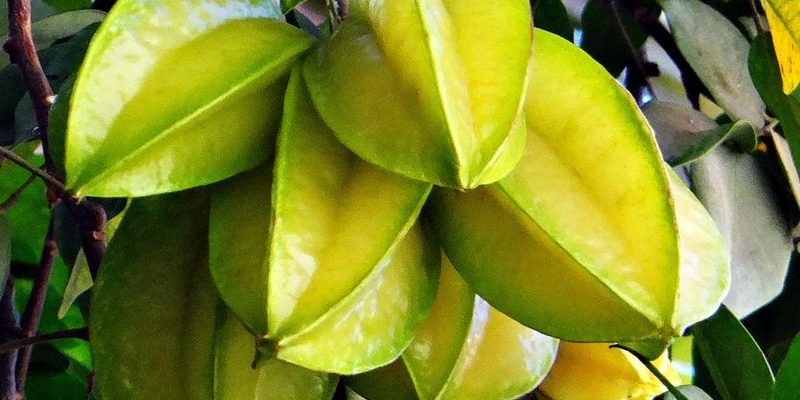
Averrhoa carambola, commonly known as star fruit, is a small, slow-growing, short-trunked tropical tree that probably originated in Malaysia, Indonesia, and southern China. It is grown commercially in many tropical and sub-tropical areas around the world for its unusual fruit. The fruit has distinctive ridges running down its sides (usually 5-6) and when cut in cross-section, it resembles a star, giving it the name of star fruit. The fruit is eaten raw and is also used in traditional Asian medicine to treat chickenpox, intestinal parasites, headaches, and other illnesses. The tree produces small pinkish-purple flowers that are borne on panicles measuring 5 to 10 centimetres in length. Each flower is around a centimetre wide and produces a sweet nectar that attracts insects such as honeybees and stingless bees for pollination.
Health Benefits of the Star Fruit Plant
- Antioxidant source: Star fruit is rich in vitamin C and other plant compounds that can protect the cells from oxidative damage and inflammation.
- Fibre source: Star fruit contains both soluble and insoluble fibre, which can help lower cholesterol, regulate blood sugar, and support digestive health.
- Low-calorie snack: Star fruit is low in calories but high in water and nutrients, making it a good choice for weight loss and hydration.
- Potassium source: Star fruit provides potassium, a mineral that helps maintain normal blood pressure and heart function.
However, star fruit also has some potential risks, especially for people with kidney problems or who take certain medications. Star fruit contains oxalates, which can accumulate in the kidneys and cause damage or toxicity. Starfruit may also interact with some drugs and affect their absorption or metabolism
Chemical properties of the Starfruit plant:
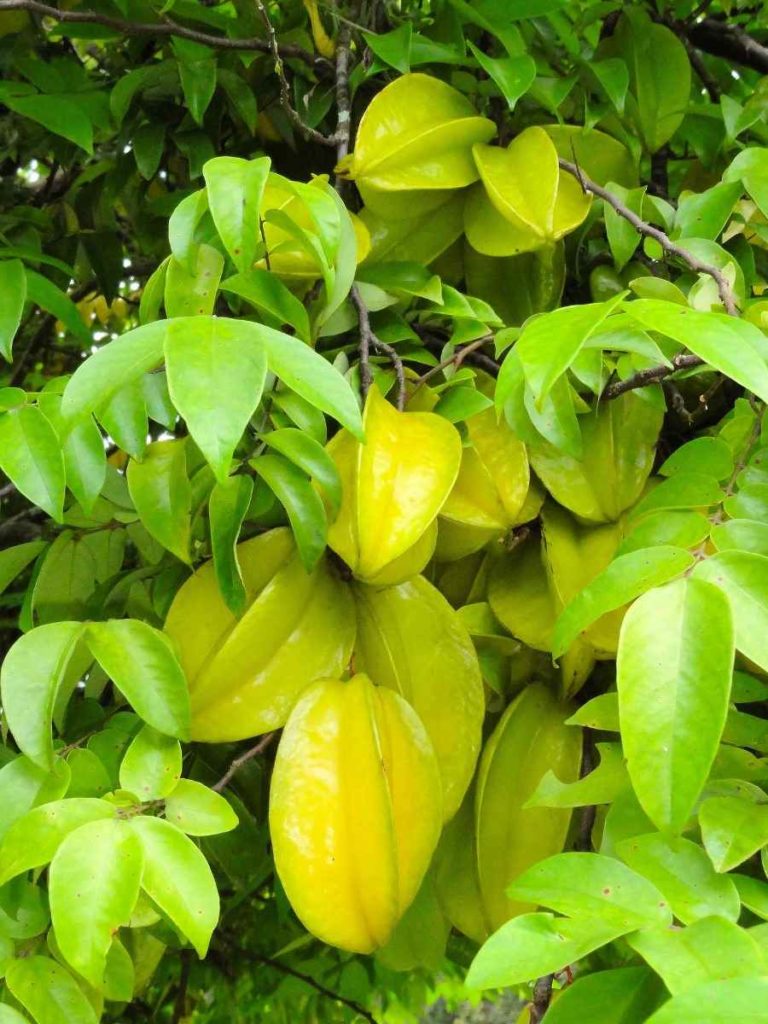
Starfruit is a tropical fruit that belongs to the family Oxalidaceae. It has a distinctive star shape when cut horizontally and a thin, waxy skin that can be green or yellow. The chemical properties of starfruit vary depending on the cultivar and the maturity stage. Some of the common chemical properties of starfruit are:
- Oxalic acid: Starfruit contains oxalic acid, which is a natural organic acid that can form kidney stones in some people. Oxalic acid can also interfere with the absorption of calcium and other minerals. The amount of oxalic acid in starfruit depends on the cultivar and the ripeness. Some cultivars, such as Bintang Mas, have lower oxalic acid content than others, such as B10. Oxalic acid also decreases as the fruit ripens.
- Malic acid: Starfruit also contains malic acid, which is another organic acid that contributes to the sour taste of the fruit. Malic acid can help regulate the pH of the body and improve the digestion of carbohydrates and fats. Malic acid can also enhance the flavour and shelf life of fruit juices. The amount of malic acid in starfruit increases as the fruit ripens.
- Vitamin C: Starfruit is a good source of vitamin C, which is an essential nutrient that has antioxidant, anti-inflammatory, and immune-boosting properties. Vitamin C can also help synthesize collagen, heal
A study on Averrhoa carambola by Dasgupta et al., in 2013 reported that the plant possesses many medicinal properties such as anti-inflammatory, analgesic, hypoglycemic, antimicrobial, hepatoprotective and anti-ulcer activity and therefore its fruit and the plant can be used as a potent medicine.
A recent study evaluated the physico-chemical properties of starfruit at two maturity stages. The physical properties of fruit length, width and weight were more in ripe fruit than halfripe fruit.
The chemical properties of reducing, and non-reducing sugar, titrable acidity, total sugars, and TSS contents increased with the stages of maturity
How to Use the Star Fruit (Averrhoa carambola) Plant
Starfruit is a tropical fruit that can be eaten raw or used in various recipes. Here are some ways to use the star fruit plant:
- Fresh: Starfruit can be eaten fresh as a snack or added to fruit salads, smoothies, or juices. The fruit has a sweet and sour taste and a crunchy texture that makes it a refreshing treat.
- Cooked: Starfruit can be cooked in many ways, such as stewed with sugar and spices, pickled, or turned into a chutney or relish. In Southeast Asia, it is often used in savoury dishes like fish and shrimp.
- Tea: Starfruit leaves can be used to make a herbal tea that has a mild flavour and is rich in antioxidants. The tea is said to have various health benefits, such as reducing inflammation, boosting immunity, and improving digestion.
- Medicine: Starfruit has been used in traditional Asian medicine to treat various ailments, such as chickenpox, intestinal parasites, headaches, and more. However, starfruit also contains oxalic acid, which can cause kidney damage and toxicity in some people, especially those with kidney problems or who take certain medications
The Side Effects of Star Fruit Plant
Star fruit, also known as carambola, is a tropical fruit that has many health benefits. However, it also has some potential risks, especially for people with kidney problems or who take certain medications. Star fruit contains oxalic acid, which can accumulate in the kidneys and cause damage or toxicity. Starfruit may also interact with some drugs and affect their absorption or metabolism. Therefore, it is advisable to consult with a doctor before eating star fruit if you have any health issues or concerns
Testimonies about the star fruit plant as a herb
- Gardening Know How reports that Carambola fruit is a sweet, yet acidic, fruit native to Southeast Asia. It is also called starfruit due to the shape of the fruit because when sliced it reveals a perfect five-point star. The fruit is juicy with a consistency like firm green grapes and is used throughout Southeast Asia in dishes and beverages. The tree can grow up to 30 feet tall and produce 200 to 400 pounds of fruits every year. The star fruit is pulpy with a grape-like texture. The flavour is described as similar to feijoa, but with hints of banana and pear and the acidity of pineapple. It’s also a widely popular ornamental plant.
- Epic Gardening states that the star fruit is pulpy with a grape-like texture. The flavour is described as similar to feijoa, but with hints of banana and pear and the acidity of pineapple. It’s also a widely popular ornamental plant. A mature tree can produce as much as 200 to 400 pounds of fruits every year.