Health Benefits and properties of Cleome Viscosa

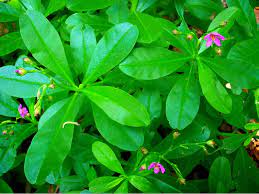
Cleome viscosa L. (Cleomaceae) is a sticky herb with yellow
flowers, which resembles to mustard, and is distributed throughout the greater part of India and Africa.
The plant is an important traditional medicine of the Indian-Ayurvedic and Chinese-medicine system for rheumatic arthritis, hypertension, malaria, neurasthenia, and snakebite. cleome viscosa
Various scientific investigations revealed analgesic-antipyretic, anti-inflammatory, hepatoprotective, hypoglycemic, anthelmintic, and antidiarrhoeal activity of C. viscosa. Panduraju et al. reported the topical application of Cleomeviscosa extract accelerated the wound healing in Wistar rat with significant wound contraction rate.
Our previous experimental findings showed that methanol extract of C. viscosa (CvME) possesses potent antioxidant, antimicrobial, and fibroblast proliferation properties as compared to petroleum ether, chloroform, and water extracts.
However, to rationalize the wound healing activity of C. viscosa, some major supportive evidences of efficacy such as histopathological examination, estimation of growth factors, and effect on collagen production in healing tissue are yet to be investigated.
Therefore, the present study aims to evaluate the C. viscosa induced alteration in fibroblast growth factor and its effect on Smad-mediated collagen (type III) production in Wistar rat excision wound model.
Health Benefits of Cleome Viscosa
Cleome viscosa, also known as the Asian spider flower, has several health benefits and traditional uses:
- Antimicrobial Properties: The extracts from the leaves and flowers exhibit effective antimicrobial activity, making it useful against bacteria and fungi.
- Digestive Aid: The seeds are carminative, helping to relieve gas and improve digestion.
- Anthelmintic: The seeds are also effective in treating helminthic infections (parasitic worm infections).
- Respiratory Health: It can reduce inflammation and fight infections, which is beneficial for chronic respiratory conditions.
- Fertility: Chewing the leaves is believed to boost fertility in women.
- Wound Healing: The leaves can be applied externally to wounds and ulcers to aid in healing.
- Ear Infections: The juice of the leaves is used as a remedy for pus discharge from the ear
The Chemical Properties of Cleome Viscosa
Cleome viscosa, commonly known as wild mustard or dog mustard, has a rich chemical profile. Here are some of its notable chemical properties:
- Fatty Acids: The seeds contain a mixture of fatty acids, including linoleic acid, palmitic acid, stearic acid, and oleic acid.
- Flavonoids and Phenolic Compounds: It is a source of flavonoids, anthraquinone glycosides, and phenolic compounds.
- Vitamins and Minerals: The plant is rich in vitamin C and contains elements like nitrogen, potassium, phosphorus, calcium, iron, manganese, zinc, sodium, chloride, magnesium, copper, boron, and silicon.
- Other Compounds: It also contains tannins, steroids, glycosides, beta carotene, saponins, and coumarin lignanes.
These chemical properties contribute to its various medicinal uses, including its antiseptic, antihelmintic, carminative, rubefacient, vesicant, febrifuge, and cardiac stimulant properties
How to Use Cleome Viscosa as Herbal Medicines
Cleome viscosa, also known as Asian spiderflower, has various traditional medicinal uses. Here are some ways it is used:
- Wound and Ulcer Treatment: The leaves are applied externally to wounds and ulcers to promote healing.
- Ear Infections: The juice of the leaves is used to treat discharge of pus from the ear.
- Digestive Issues: A decoction of the seeds is used as a digestive stimulant and to treat colic and dysentery.
- Respiratory Conditions: The plant’s decoction acts as an expectorant, helping to relieve cough and bronchitis.
- Rheumatism and Herpes: Bruised leaves are applied externally to relieve rheumatism and act as a counter-irritant in herpes.
- Headaches: Inhaling the vapors from a steaming decoction of the whole plant can help alleviate headaches.
It’s always best to consult with a healthcare professional before using any herbal remedies to ensure they are safe and appropriate for your specific health needs.
Using cleome viscosa to treat eye problem.
Cleome viscosa. stops eyes itching and improve eyes sight:(by professionals only) dried seeds can be applied with eye drops from the same plant and other herbs for two months for the treatment.
Safety and side effects of using Cleome viscosa as herbal medicine
Here are some key points regarding its safety and potential side effects:
Safety
- Non-toxic: Generally, Cleome viscosa is not considered toxic to humans or pets
- Medicinal Uses: It is used traditionally for treating ailments like earaches, piles, and as an antipyretic and anticonvulsant.
Side Effects
- Digestive Issues: Excessive intake of its seeds can cause flatulence and stomach distension.
- Topical Use: When used externally, such as in a paste form for earaches, it is generally safe but should be applied with caution to avoid skin irritation.
Recommendations
- Moderation: Use Cleome viscosa in moderation to avoid potential digestive issues.
- Consultation: Always consult with a healthcare provider before starting any new herbal treatment, especially if you have underlying health conditions or are taking other medications.