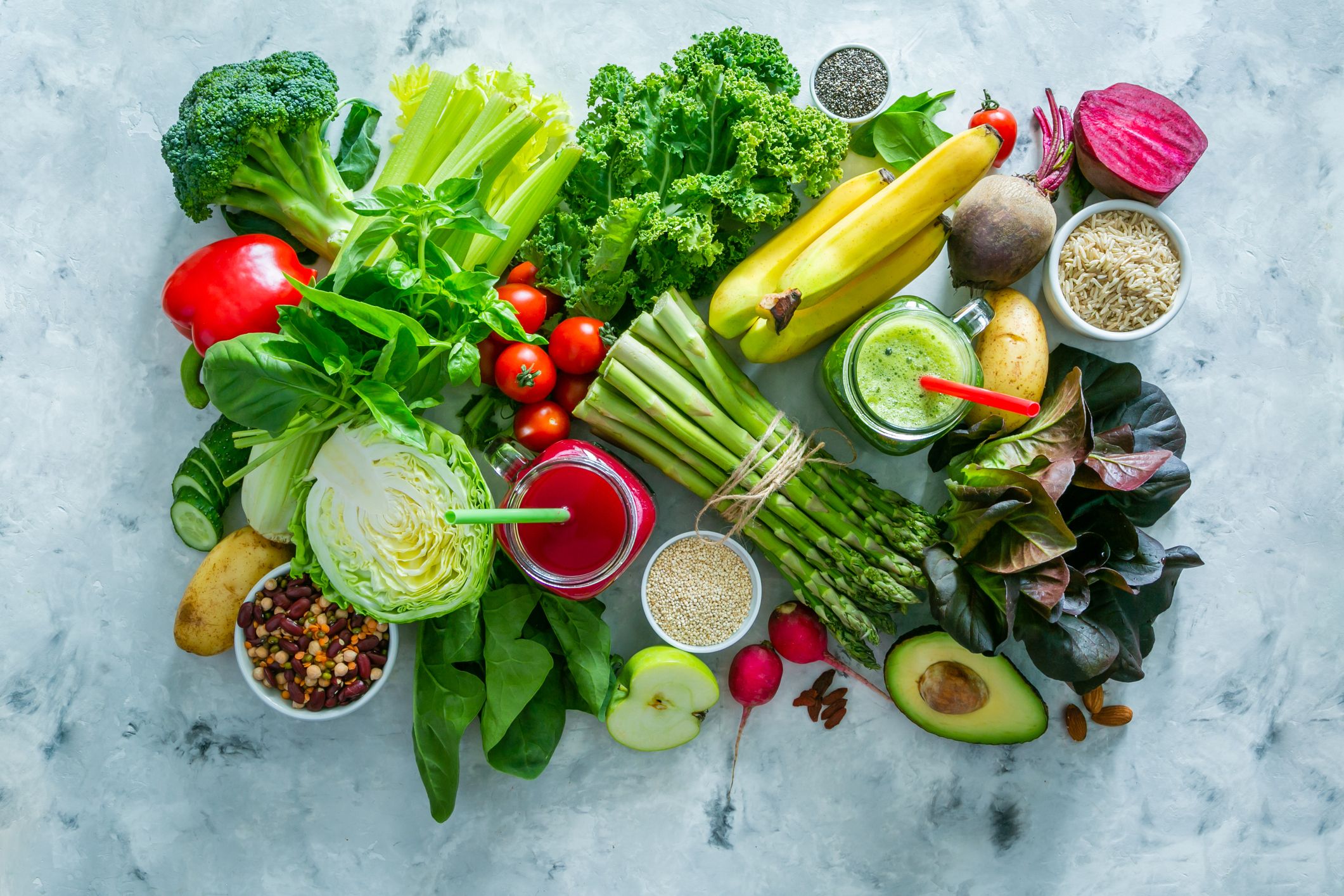
Understanding Herbs: Nature’s Everyday Essentials
Herbs have been valued for centuries as natural ingredients that add flavor, aroma, and freshness to daily life. Today, they are widely used in cooking, wellness routines, and even home care. Understanding the methods of using herbs, the types available, and their everyday applications can help you make the most of these versatile plants.
Methods of Using Herbs
Herbs can be enjoyed in several simple ways:
- Fresh use: Adding chopped herbs like basil, parsley, or cilantro directly to meals for vibrant flavor.
- Drying: Preserving herbs by air‑drying or using a dehydrator, making them easy to store and use year‑round.
- Infusion: Steeping herbs in hot water to create aromatic teas or flavored beverages.
- Culinary oils and vinegars: Infusing herbs into olive oil or vinegar for dressings and marinades.
Types of Herbs
Herbs come in many varieties, each with unique qualities:
- Culinary herbs: Basil, rosemary, thyme, and mint are staples in kitchens worldwide.
- Aromatic herbs: Lavender and lemongrass are often used for fragrance in candles or sachets.
- Decorative herbs: Plants like sage or oregano can be grown in gardens or pots, adding greenery and charm.
Everyday Uses
Herbs are not limited to cooking. They can enhance multiple aspects of daily living:
- Flavoring food: Fresh herbs elevate soups, salads, and sauces.
- Home ambiance: Aromatic herbs bring natural fragrance to living spaces.
- Gardening enjoyment: Growing herbs at home provides both beauty and a sustainable source of fresh ingredients.
- Creative crafts: Dried herbs can be used in potpourri, wreaths, or handmade gifts.
Herbs are simple, accessible, and versatile. By exploring different methods and types, you can incorporate them into your meals, home, and lifestyle in ways that are both practical and enjoyable.