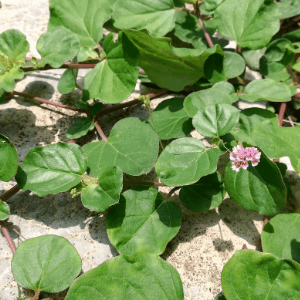
Punarnava (Boerhaavia diffusa) – Health Benefits, Properties and How to Use the Plant as Herbal Medicine
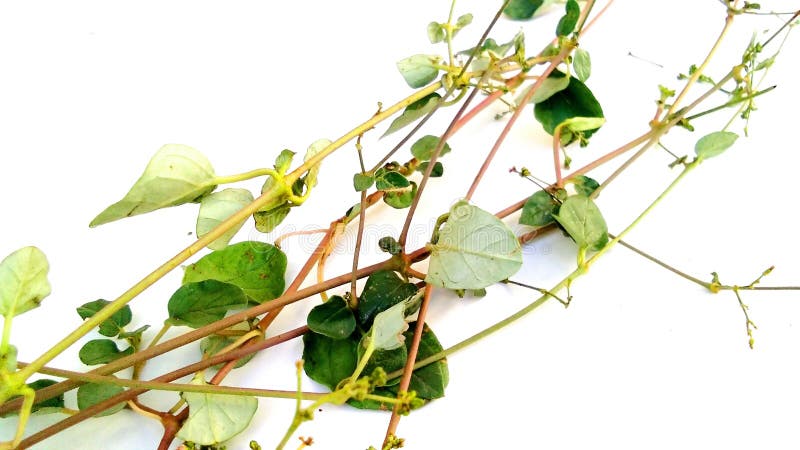
Health benefits of Punarnava (Boerhaavia diffusa)
Punarnava (Boerhaavia diffusa) is a powerful herb in Ayurvedic medicine, known for its wide range of health benefits. Here are some notable benefits:
- Diuretic Properties: Helps in reducing water retention and supports kidney health.
- Anti-inflammatory: Reduces inflammation, making it useful for conditions like arthritis.
- Liver Health: Promotes liver function and helps in treating liver disorders such as hepatitis and jaundice.
- Antioxidant: Contains compounds that protect the body from oxidative stress.
- Anti-microbial: Effective against various bacterial and fungal infections.
- Gastrointestinal Health: Aids in managing digestive issues like ulcers and irritable bowel syndrome (IBS).
- Anti-cancer: It exhibits properties that may help prevent certain types of cancer.
- Immune System Support: Boosts the immune system, helping the body fight off infections.
- Anti-diabetic: Helps in managing blood sugar levels, making it beneficial for diabetics.
- Cardiovascular Health: Supports heart health by managing cholesterol levels and improving circulation.
- Respiratory Health: Useful in treating respiratory conditions like asthma and bronchitis.
- Skin Health: Helps in treating skin conditions and promotes overall skin health
- Anaemia Management: Punarnava is known to help increase red blood cell (RBC) count and improve haemoglobin levels, which is crucial for individuals with sickle cell anaemia. Punarnava (Boerhaavia diffusa) has shown potential in managing sickle cell anaemia, primarily due to its rejuvenating and anti-inflammatory properties.
Chemical Components of Punarnava (Boerhaavia diffusa)

Punarnava (Boerhaavia diffusa) contains a variety of chemical compounds that contribute to its medicinal properties.
- Alkaloids: Punarnavine is the major alkaloid, known for its diuretic, anti-inflammatory, and hepatoprotective properties.
- Flavonoids: Includes compounds like C-methylflavone, 5,7-dihydroxy-3’,4’-dimethoxy-6,8-dimethylflavone, and borhavone.
- Steroids: β-Sitosterol and its esters.
- Terpenoids: Such as triacontanol.
- Phenolic Compounds: Various phenolic acids contribute to its antioxidant properties.
- Rotenoids: Boeravinone A-H, which have anti-inflammatory and anti-cancer properties.
- Glycosides: Punarnavoside and other glycosides.
- Lipids: Palmitic acid, stearic acid, and arachidic acid.
- Proteins and Glycoproteins: Contributing to its overall health.
These compounds collectively make Punarnava a potent herb with a wide range of therapeutic applications.
Ways to use the Punarnava (Boerhaavia diffusa) plant as herbal medicines
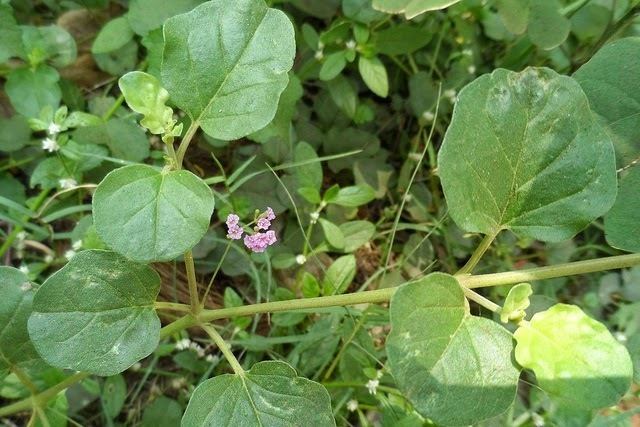
Punarnava (Boerhaavia diffusa) is a versatile herb used in Ayurvedic medicine to treat various illnesses and diseases. Here are some common ways to use it:
1. Kidney and Urinary Disorders
- Form: Decoction or powder.
- Usage: Take 1-2 teaspoons of Punarnava powder mixed with water twice daily. Alternatively, prepare a decoction by boiling the roots in water and consume it.
2. Liver Disorders
- Form: Juice or decoction.
- Usage: Extract the juice from fresh Punarnava leaves and take 1-2 teaspoons daily. For a decoction, boil the roots in water and drink it twice a day.
3. Edema (Swelling)
- Form: Decoction or powder.
- Usage: Consume a decoction made from the roots or take 1-2 teaspoons of the powder with water twice daily to reduce water retention.
4. Arthritis and Joint Pain
- Form: Paste or decoction.
- Usage: Apply a paste made from Punarnava leaves to the affected joints. Drinking a decoction of the roots can also help reduce inflammation and pain.
5. Respiratory Issues
- Form: Decoction.
- Usage: Boil Punarnava roots in water to make a decoction and drink it twice daily to alleviate symptoms of asthma and bronchitis.
6. Diabetes
- Form: Powder or decoction.
- Usage: Take 1-2 teaspoons of Punarnava powder with water twice daily. A decoction made from the roots can also help manage blood sugar levels.
7. Skin Disorders
- Form: Paste or juice.
- Usage: Apply a paste made from Punarnava leaves to the affected area. Drinking the juice extracted from the leaves can also promote skin health.
8. Anemia
- Form: Powder or decoction.
- Usage: Take 1-2 teaspoons of Punarnava powder with water twice daily. A decoction made from the roots can help improve haemoglobin levels and red blood cell count.
9. Digestive Issues
- Form: Decoction or powder.
- Usage: Drink a decoction made from the roots or take 1-2 teaspoons of the powder with water to manage digestive problems like ulcers and IBS.
10. General Rejuvenation
- Form: Powder or juice.
- Usage: Take 1-2 teaspoons of Punarnava powder with water or drink the juice extracted from the leaves daily to rejuvenate the body and boost overall health.
Preparation Tips
- Decoction: Boil 1-2 teaspoons of Punarnava roots in 2 cups of water until it reduces to half. Strain and drink.
- Juice: Crush fresh Punarnava leaves and extract the juice. Consume immediately for best results.
- Paste: Grind fresh leaves into a paste and apply to the affected area.
Safety and Side Effects of Punarnava (Boerhaavia diffusa)
Punarnava (Boerhaavia diffusa) is generally considered safe when used appropriately, but like any herb, it can have potential side effects and precautions to consider:
Potential Side Effects
- Increased Blood Pressure: In some cases, Punarnava may cause an increase in blood pressure.
- Burning Sensation: It can create a burning sensation in the throat if taken on an empty stomach or without sufficient water.
- Allergic Reactions: Individuals with ethanol-related allergies should avoid using Punarnava.
- Gastrointestinal Issues: Overconsumption may lead to stomach upset or diarrhoea.
Precautions
- Pregnancy and Breastfeeding: Pregnant and breastfeeding women should avoid using Punarnava due to insufficient safety data.
- Children: Not recommended for children below the age of 12 years.
- Medical Conditions: People with underlying health conditions should consult a healthcare provider before using Punarnava.
General Safety Tips
- Dosage: Always adhere to the recommended dosage. Overuse can lead to adverse effects.
- Consultation: It’s best to consult with a healthcare professional, especially if you have pre-existing health conditions or are taking other medications.
- Hydration: Ensure adequate water intake when consuming Punarnava to avoid throat irritation.
External links
Safety and side effects Punarnava (Boerhaavia diffusa)
Health benefits Punarnava (Boerhaavia diffusa)
Chemical components of Punarnava (Boerhaavia diffusa)
journals.sumathipublications.com