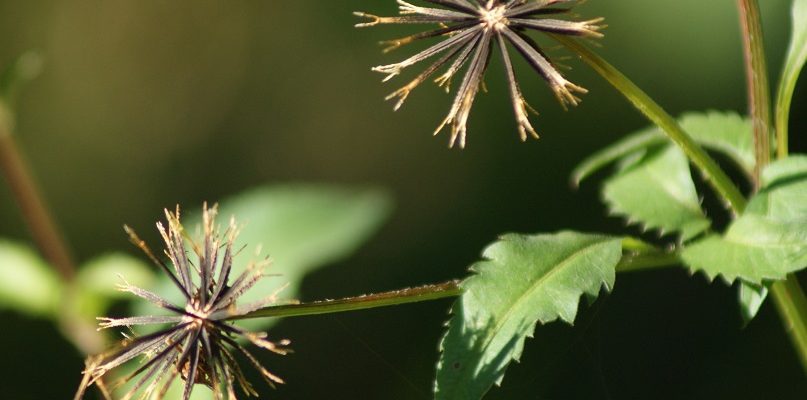
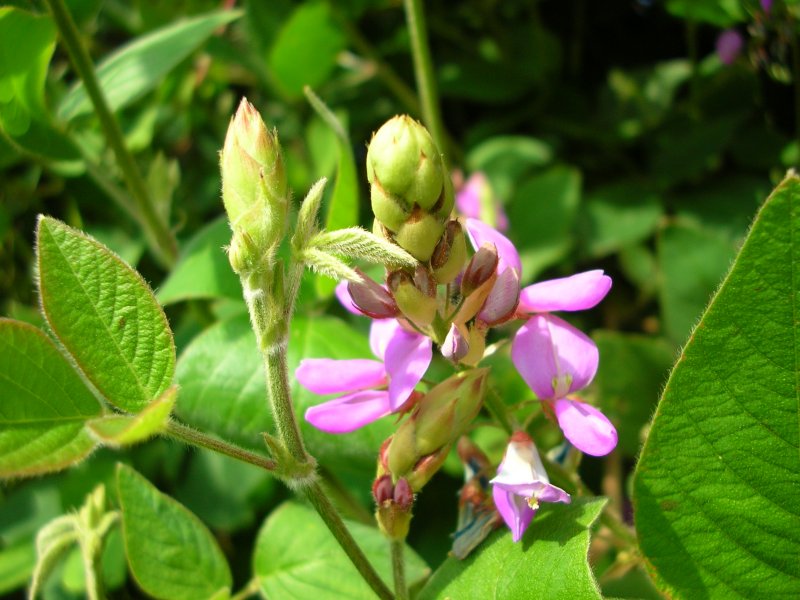
Hitch Hikers plant (Desmodium adscendens)
Desmodium adscendens, commonly known as Hitch Hikers, is a plant with a variety of health benefits, particularly known for its positive impact on liver health. Desmodium adscendens is quite rich in healing properties and has been studied for its potential health benefits. Growing in tropical Africa, Asia and other parts of the world, the plant has been used in Traditional Herbal medicines since the days of ancestors in the treatment of various health challenges. studies have proved its efficacy and safety for use.
Health benefits of Hitch Hikers Plant (Desmodium adscendens)
Liver Health:
- Hepato-protective: It has a remarkable action as a hepato-protective agent, strengthening the liver’s resilience against aggression and inflammation.
- Cell Regeneration: It helps regenerate liver cells, which is crucial in managing viral hepatitis and improving therapeutic results.
- Hepatic Drainage: Desmodium promotes the elimination of toxins from the liver, aiding in liver function and improving tolerance to side effects from treatments like chemotherapy.
Anti-Allergic:
- Reduces the secretion of histamines, attenuating allergic responses and offering relief from allergies, asthma, and skin reactions like eczema or hives.
Muscle Relaxant:
- Provides relief from muscle contractures, cramps, aches, and spasms, making it a natural remedy for backache and muscle tension.
Immune System Stimulant:
- Strengthens the body’s natural defences, helping to prevent infections and support the body’s ability to fight pathogens
The Chemical Composition of Desmodium adscendens Plant
The chemical composition of Desmodium adscendens is quite rich and has been studied for its potential health benefits. Here are some key components found in the leaves of Desmodium adscendens:
- Flavonoids: The leaves contain about 12.8 mg of catechin equivalent (CE)/g dw.
- Polyphenols: The total polyphenol content is approximately 11.1 mg of gallic acid equivalent (GAE)/g dw.
- Anthocyanins: Though not in a significant amount, there are about 0.0182 mg cyanidin-3-glucoside equivalent (CgE)/g dw.
- Tannins: The leaves have around 0.39 mg CE/g dw of tannins.
The main phenolic compound identified through RP-HPLC analysis in the methanol-water extract is quercetrin dihydrate, which is present at 2.11 mg/mL. These compounds contribute to the plant’s antioxidant properties, which may enhance its therapeutic value.
It’s important to note that while these components have beneficial properties, the efficacy and safety of herbal remedies can vary, and it’s always recommended to consult with a healthcare professional before using them
How to use the Desmodium adscendens plant as herbal medicine
Desmodium adscendens, also known as “Hitch Hikers,” can be used as herbal medicine in various ways. Here are some traditional methods of preparation and usage:
Tea or Infusion:
- Leaves: Fresh or dried leaves can be steeped in boiling water to make tea.
- Dosage: Typically, 1 teaspoon of dried leaves per cup of water, steeped for 10-15 minutes.
- Usage: Drink 2-3 times daily for respiratory issues or muscle relaxation.
Decoction:
- Boiling: Boil the plant parts in water for a longer period to extract deeper flavours and health compounds.
- Dosage: Use about 30 grams of dried plant material per litre of water, and boil for 15-30 minutes.
- Usage: This method is often used for more chronic conditions like liver ailments.
Tincture:
- Alcohol Extraction: Soak the plant material in alcohol to create a concentrated tincture.
- Dosage: Tinctures are usually taken in small amounts, such as 1-2 ml, up to three times a day.
- Usage: Tinctures are convenient for long-term storage and precise dosing.
Topical Application:
- Poultice: Crushed leaves can be applied directly to the skin for issues like eczema or muscle pain.
- Oil Infusion: Leaves can be infused in oil and applied topically for joint and muscle pain.
Juice:
- Extraction: The juice from the leaves can be extracted and taken orally.
- Dosage: The amount can vary, but typically a small glass (about 200 ml) is used.
- Usage: It’s traditionally used for snake bites and as a potty-training aid for children.
It’s important to note that while these methods are based on traditional uses, the effectiveness and safety of herbal medicine can vary. Always consult with a healthcare professional before starting any new treatment, especially if you have existing health conditions or are taking other medications. Additionally, ensure that the plant material is sourced from a reputable supplier to avoid contamination with pesticides or other harmful substances.
Safety and side effects of Desmodium adscendens as herbal medicine
Desmodium adscendens is generally considered safe when used at appropriate dosages. However, like any herbal medicine, it may have potential side effects and safety considerations:
Safety:
- A study has shown that low concentrations of Desmodium adscendens extract (1 mg/ml and 10 mg/ml) are safe for liver (HEPG2) and kidney (LLC-PK1) cells and protective against oxidative stress.
- The same study indicated that higher concentrations (100 mg/ml) significantly decreased cell viability by about 40%, suggesting that lower dosages should be used for safety.
Side Effects:
- There are no widely reported or known side effects at low dosages.
- In very small quantities, it was shown to induce renal cell damage, highlighting the importance of proper dosage.
Precautions:
- It’s essential to consult with a healthcare professional before using Desmodium adscendens, especially if you have existing health conditions or are taking other medications.
- Pregnant or breastfeeding women should avoid using it due to a lack of safety data.
- Ensure that the plant material is sourced from a reputable supplier to avoid contamination.
While the notion that herbal products are safe and efficient drives their increased consumption, it’s crucial to use them responsibly and under professional guidance to avoid any adverse effects. Always start with the lowest possible dose to assess tolerance and avoid potential toxicity