Skip to content
  • Home
  • About us
  • Products
  • plants
  • spices
  • fruits
  • Testimony
  • Videos
  • Contact us
Repamp Herbal Centre

Repamp Herbal Centre

Research and Promoters of African Medicinal Plants

  • Home
  • About us
  • Products
  • plants
  • spices
  • fruits
  • Testimony
  • Videos
  • Contact us
  • Toggle search form
Fedegoso,Cassia_occidentalis,uses of fedegoso as a herbal plant,herbal uses of fedegoso plant,medicinal uses of fedegoso,where to buy fedegoso organic powder,what is the uses of fedegoso,what is the medicinal uses of fedegoso,buy fedegoso organic powder,treating hepatitis with fedegoso,treating virus infection with fedegoso,treating cancer with fedegoso

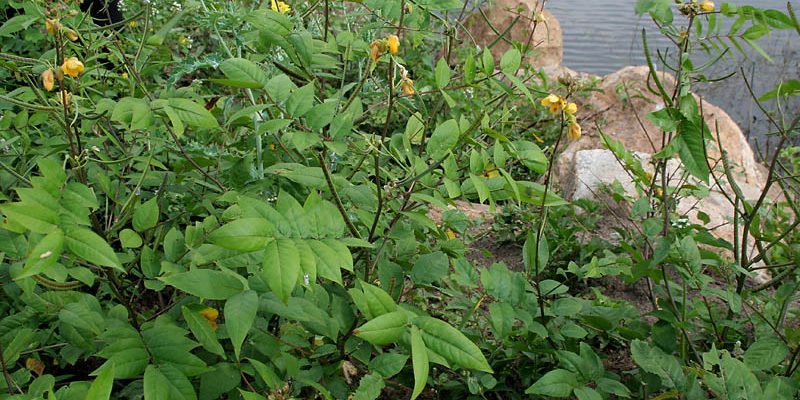
Fedegoso (Cassia_occidentalis)

Posted on January 22, 2020December 18, 2023 By Jonathan Chu

Facts About Fedegoso (Cassia_occidentalis)

Fedegoso (Cassia_occidentalis)

Senna Occidentalis: Facts, Benefits, Grow & Care Tips

Fedegoso is a plant that is commonly found in Africa and many other parts of the world. In ancient Incan culture, its seeds were used to make a beverage similar to coffee. While the seeds are sometimes used in herbal medicine in small amounts, several studies have shown that they can be toxic when consumed in large quantities. Grazing animals that eat too many fedegoso seeds can suffer from toxicity and even die. Due to the well-documented toxicity of these seeds, it is best to avoid them altogether.

On the other hand, there have been studies on the safety of using other parts of the fedegoso plant, such as the leaves and roots. These studies found that extracts from these parts of the plant did not cause any toxic effects or mortality when given to mice in doses of up to 500 mg/kg. Today, health practitioners are using fedegoso to treat bacterial and fungal infections, and recent research has shown that it can also boost immune function.

Furthermore, fedegoso has been shown to have beneficial effects on liver health. It can be used as a liver tonic in cases of anaemia, hepatitis, and liver damage caused by drugs or alcohol. Recent research suggests that fedegoso may even have antimutagenic actions that could help prevent damaged liver cells from becoming cancerous, which can occur in cases of chronic hepatitis B and C infections.

Some of the main plant chemicals in Fedegoso:

  • Anthraquinones: These are compounds that have a laxative and purgative effect. They also have antioxidant, anti-inflammatory, and anti-cancer properties.
  • Flavonoids: These are compounds that have anti-inflammatory, antimicrobial, diuretic, and hepatoprotective effects. They also modulate the immune system and reduce blood pressure.
  • Tannins: These are compounds that have astringent, antiseptic, and anti-parasitic properties. They also help with wound healing and bleeding.
  • Phenolic compounds: These are compounds that have antioxidant, anti-inflammatory, and anti-microbial properties. They also protect the liver and the blood from toxins

Medicinal uses of Fedegoso:

  • It can help with constipation, urinary tract infection, or menstrual cramps because it has laxative, diuretic, and anti-inflammatory properties.
  • It can protect the liver from damage and detoxify the blood because it has antioxidant, anti-hepatotoxic, and hepatoprotective effects.
  • It can fight infections and parasites because it has antibacterial, antifungal, antiviral, and vermifuge properties.
  • It can reduce fever, pain, and inflammation because it has antipyretic, analgesic, and anti-inflammatory properties.
  • Treating snake and scorpion poison

Fedegoso is usually consumed as a tea, made from its roots, leaves, flowers, or seeds. However, it should not be used by pregnant women, young children, or breastfeeding women, as it can have adverse effects.

How to Use Fedegoso in Treating Illnesses

It can help with bacterial and fungal infections, liver disorders, intestinal parasites, and the immune system. However, it should be used with caution and under medical supervision, as it can have side effects and interactions with some drugs.

One way to use fedegoso is to make tea from its leaves, roots, flowers, or seeds. you can follow these steps to make fedegoso tea:

  • Add 1 litre of water and 20 grams of fedegoso leaves, roots, flowers, or seeds to a pan.
  • Boil for about 10 minutes, then let it rest for 10 minutes.
  • Strain and drink up to 6 to 8 tablespoons a day for liver disease, or 3 to 4 tablespoons a day as a diuretic.

you can also get meaningful results using 1 ml (30 drops) of fedegoso tincture 2 to 4 times daily in water.

Some of the possible side effects of fedegoso:

  • It may lower blood pressure, so it should not be used by people with low blood pressure or those taking antihypertensive drugs.
  • It may interfere with the metabolism of some drugs in the liver, so it should not be used by people taking medications that are processed by the liver.
  • It may cause nausea, vomiting, diarrhoea, abdominal pain, or cramps, especially if taken in large doses or for a long time.
  • It may cause allergic reactions, such as skin rash, itching, or swelling, in some people.
  • It may have abortifacient effects, so it should not be used by pregnant or breastfeeding women.

If you experience any of these side effects, you should stop using fedegoso and seek medical attention. You should also consult your doctor before using fedegoso, especially if you have any medical conditions or take any medications.


Reference

https://www.rain-tree.com/fedegosa.htm

Fedegoso tea – Benefits and properties

Fedegoso – Cassia occidentalis Database file in the Tropical Plant Database of herbal remedies
plants Tags:anti virus, blood purification, Fedegoso (Cassia_occidentalis), hepatitis, liver damage

Post navigation

Previous Post: Yellow oleander
Next Post: Bitter Kola

More Related Articles

mushroom Mushrooms plants
Punarnava (Boerhaavia diffusa) Punarnava (Boerhaavia diffusa) Plant plants
Chasteberry (Vitex agnus-castus) Chasteberry (Vitex agnus-castus) plants
Purple cleome (Cleome rutidosperma) Purple cleome (Cleome rutidosperma) plants
huckleberries Huckleberries (Gaylussacia baccata) fruits
Achyranthes bidentate Ox Knee (Achyranthes bidentate) Plant plants
  • How to Use Herbs
  • Varicocele (Herbal Help)
  • Tomatoes (Solanum lycopersicum)
  • Aloe vera
  • Purple cleome (Cleome rutidosperma)

Contact The Naturalist For Your Confidential Health Issues +233548383154

herbs
herbal spices_repampghana

Recent Posts

  • How to Use Herbs
  • Varicocele (Herbal Help)
  • Tomatoes (Solanum lycopersicum)
  • Aloe vera
  • Purple cleome (Cleome rutidosperma)
  • Phosphorus (Health Benefits)
  • Green Tea (Camellia sinensis)
  • Milk thistle (Silybum marianum)
  • Fibroid (Uterine fibroid)
  • Pelvic Inflammatory Disease (PID)
  • Hernia (Herbal Ways To Manage)
  • Swahili Plant (Cyphostemma adenocaule)
  • Long Pepper (Piper longum)
  • Punarnava (Boerhaavia diffusa) Plant
  • Sickle Cell Anaemia
  • Vitamin B9 (Folic Acid)
  • Pignut (Hyptis suaveolens)
  • Vitamin B6 (Pyridoxine)
  • Oysters (Health Benefits)
  • Copper (Health Benefits)

Recent Comments

    Archives

    • August 2026
    • November 2024
    • October 2024
    • September 2024
    • August 2024
    • July 2024
    • June 2024
    • May 2024
    • April 2024
    • March 2024
    • February 2024
    • January 2024
    • December 2023
    • November 2023
    • October 2023
    • July 2023
    • April 2023
    • March 2023
    • December 2022
    • September 2022
    • August 2022
    • July 2022
    • June 2022
    • November 2021
    • October 2021
    • July 2021
    • June 2021
    • May 2021
    • April 2021
    • March 2021
    • February 2021
    • January 2021
    • December 2020
    • November 2020
    • October 2020
    • September 2020
    • February 2020
    • January 2020
    • December 2019
    Zahara herbal mixture and capsules
    Zahara herbal mixture and capsules

    Recent Posts

    • How to Use Herbs
    • Varicocele (Herbal Help)
    • Tomatoes (Solanum lycopersicum)
    • Aloe vera
    • Purple cleome (Cleome rutidosperma)
    • Phosphorus (Health Benefits)
    • Green Tea (Camellia sinensis)
    • Milk thistle (Silybum marianum)
    • Fibroid (Uterine fibroid)
    • Pelvic Inflammatory Disease (PID)
    • Hernia (Herbal Ways To Manage)
    • Swahili Plant (Cyphostemma adenocaule)
    • Long Pepper (Piper longum)
    • Punarnava (Boerhaavia diffusa) Plant
    • Sickle Cell Anaemia
    • Vitamin B9 (Folic Acid)
    • Pignut (Hyptis suaveolens)
    • Vitamin B6 (Pyridoxine)
    • Oysters (Health Benefits)
    • Copper (Health Benefits)
    • Orange Leaves (Health Benefits)
    • Magnesium (Health Benefits)
    • Activated Charcoal (Health Benefits)
    • King Grass (Ageratum Conyzoides)
    • Plantain Peels – Health Benefits and Ways to Use
    • Eggs (Health Benefits and Nutritional Value)
    • Fresh Air and Its Health Importance
    • Flat-top Mille Graines (Oldenlandia corymbosa)
    • Perilla mint plant (Perilla frutescens)
    • Omega-3 Fatty Acids

    Categories


    Contact Us

    Zoom Lion Office,Zugjug Road, Tamale, Ghana.
    Box Office No. TL2155, Tamale, Northern Region, Ghana.
    WhatsApp Line: +233548383696
    Customer Care: +233548383154

    Social Media

          Email: repampgh@gmail.com
          Info@repampgh.com

          Links

          • Products
          • Common Plants
          • Health Benefit of Some Plants
          • Testimony
          • About us

          Copyright © 2026 Repamp Herbal Centre.

          Powered by PressBook Green WordPress theme