Guava (Psidium guajava)
The Amazing Health Benefits of Guava Leaves and Fruits

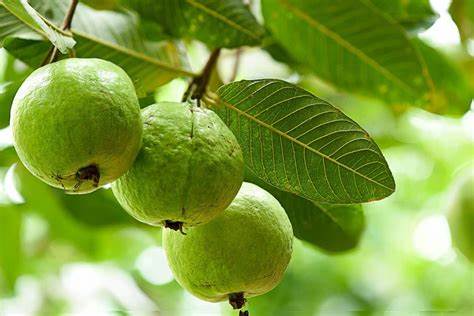
Guava is a tropical fruit known for its unique flavour and numerous health benefits. It’s rich in antioxidants, vitamin C, potassium, and fibre. Guava trees are grown in many tropical and subtropical regions. The fruit is typically round or oval and can have a light green or yellow skin with pink or white flesh that contains edible seeds
Guava is often used in beverages, jams, and as a flavouring for various foods. Interestingly, guava leaves are also beneficial and are used to make herbal teas and supplements, which may help lower blood sugar levels and support heart health.
The Chemical Composition of Guava (Psidium guajava) Fruits and Leaves
Guava (Psidium guajava) is a tropical fruit known for its rich nutritional content and medicinal properties. Here are some of its chemical properties:
- Vitamins and Minerals: Guava is a great source of vitamins A and C, with the fruit containing iron, phosphorus, calcium, and magnesium.
- Phytochemicals: It contains a variety of organic compounds such as antioxidants, polyphenols, antiviral, and anti-inflammatory compounds. The phenolic compounds in guava are known for their potential to prevent skin aging and may have anticancer properties.
- Antioxidants: Quercetin is a notable antioxidant found in guava leaves, contributing to its spasmolytic activity.
- Essential Oils: Terpenes, caryophyllene oxide, and p-selinene in guava produce relaxation effects.
- Antimicrobial Properties: Compounds in guava leaves act as fungistatic and bacteriostatic agents.
- Nutritional Content: One whole guava typically contains about 37 calories, 0.5 grams of fat, 8 grams of carbohydrates (including 3 grams of fibre and 5 grams of sugar), and 1 gram of protein.
These properties make guava a nutritious food choice and a valuable plant for various medicinal applications.
The Herbal Uses of Guava Leaves and Fruits
Guava leaves have a rich history in herbal medicine and are known for their therapeutic properties. Here are some of the herbal uses of guava:
- Blood Sugar Control: Guava leaf tea may help improve blood sugar levels, making it beneficial for people with diabetes or those at risk.
- Heart Health: The antioxidants and vitamins in guava leaves might protect the heart and improve heart health by lowering blood pressure and cholesterol levels.
- Menstrual Pain Relief: Guava leaf extract may reduce the intensity of menstrual cramps.
- Digestive Health: Guava leaf tea is traditionally used to treat diarrhoea and may help in managing digestive issues.
- Antimicrobial: The leaves have antiseptic properties and are used to kill bacteria, fungi, and amebas, which can help treat infections.
- Skin Care: Guava leaves promote skin health by preventing pimples, blackheads, and other blemishes. They are also used to facilitate the healing of wounds and cuts.
These uses highlight guava’s potential as a natural remedy for various health concerns. Remember, it’s always best to consult a healthcare provider before starting any herbal treatment.
Side Effects of Guava Fruits and Leaves
While guava is generally safe and beneficial when consumed as part of a balanced diet, there are some potential side effects to be aware of:
- Digestive Issues: Eating too much guava can lead to digestive problems like constipation due to its high fibre content.
- Blood Sugar Levels: Although guava can help control blood sugar levels, consuming it in large amounts might spike your blood sugar due to its natural sugar content.
- Allergic Reactions: Some individuals may experience allergic reactions to guava or its chemical components.
- Medication Interference: Guava leaf extract might interact with certain medications, so it’s important to consult a healthcare provider if you’re taking any drugs.
Here are some videos for you
Reference