
Amazing Facts About The Health Benefits of Vitamin C
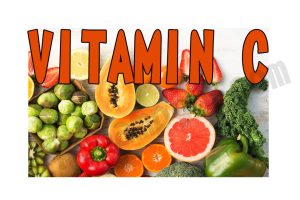
Vitamin C, also known as ascorbic acid and ascorbate, is a water-soluble vitamin essential for many bodily functions, such as tissue repair, collagen formation, antioxidant activity, and immune system support. Vitamin C is found in many fruits and vegetables, especially citrus fruits, berries, peppers, and broccoli. Vitamin C can also be taken as a dietary supplement or applied topically to the skin. Vitamin C may have various benefits for health, such as preventing or treating scurvy, reducing the risk of some chronic diseases, improving wound healing, and enhancing iron absorption. However, vitamin C may also have side effects, such as digestive issues, blood sugar fluctuations, pesticide exposure, and tooth enamel erosion, if taken excessively or improperly. Therefore, it is important to consult your doctor before using vitamin C for any medical purpose or taking high doses of vitamin C supplements.
Uses of Vitamin C
some of the uses of vitamin C are:
- It helps form and maintain bones, cartilage, skin, and blood vessels by supporting collagen synthesis.
- It acts as an antioxidant that protects cells from free radical damage and boosts the immune system.
- It enhances the absorption of iron from plant sources and prevents or treats iron deficiency anaemia.
- It may lower the risk of chronic diseases, such as heart disease, diabetes, and some cancers, by regulating blood pressure, cholesterol, blood sugar, and inflammation.
- It may improve wound healing, prevent scurvy, and support brain health by facilitating tissue repair, preventing bleeding gums, and producing neurotransmitters
Deficiency of vitamin C
Deficiency of vitamin C is a condition that occurs when your body does not get enough vitamin C from your diet. Vitamin C is an essential nutrient that helps your body make collagen, heal wounds, fight infections, and prevent scurvy. Some of the symptoms of vitamin C deficiency are:
- Rough, bumpy skin due to impaired collagen production.
- Corkscrew-shaped hair that breaks easily due to defective hair structure.
- Bright red spots around the hair follicles due to bleeding under the skin.
- Easy bruising and bleeding due to weakened blood vessels.
- Slow wound healing and increased risk of infections due to impaired immune system.
- Swollen, bleeding gums and loose teeth due to damage to the gums and bones.
- Joint and muscle pain, fatigue, and depression due to inflammation and low energy.
Vitamin C deficiency is rare in developed countries, but it can affect people who have poor diets, alcoholism, anorexia, or certain medical conditions that affect vitamin C absorption. The treatment for vitamin C deficiency is to increase your intake of vitamin C from foods or supplements. Foods that are rich in vitamin C include citrus fruits, berries, peppers, broccoli, and spinach. Vitamin C supplements are also available, but you should consult your doctor before taking them, as high doses may cause side effects or interactions
How to Physically Identify Plants with Vitamin C
There is no simple way to physically identify plants with vitamin C, as different plants may have different characteristics that indicate their vitamin C content. However, some general tips are:
- Look for plants that have bright colours, such as red, yellow, orange, or purple. These colours may indicate the presence of flavonoids, which are antioxidants that work together with vitamin C to protect the cells.
- Look for plants that have a sour or tangy taste, such as citrus fruits, berries, or peppers. These plants may have a high concentration of citric acid, which is a precursor of vitamin C and helps preserve it in the plant tissues.
- Look for plants that have thick or fleshy skin, such as kiwi, guava, or papaya. These plants may have a high water content, which helps dissolve and transport vitamin C within the plant cells.
- Look for plants that grow in sunny or tropical climates, such as acerola, camu camu, or kakadu plum. These plants may have high exposure to ultraviolet radiation, which stimulates the production of vitamin C as a defence mechanism.
These are some of the possible clues that may help you identify plants with vitamin C, but they are not foolproof or reliable. The best way to know the vitamin C content of a plant is to measure it using a chemical test or a device, such as a refractometer or a titrator.
Learn More: